
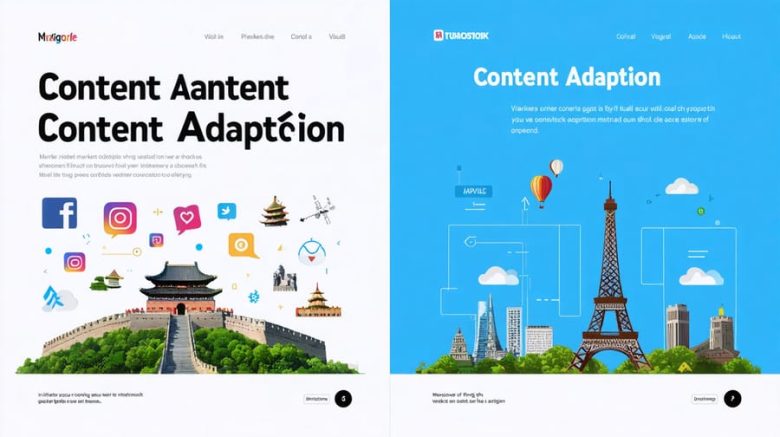
Transform your content strategy by mastering the art of adaptation across multiple platforms and audiences. Successful freelance writers today don’t just create content—they shape-shift it to maximize impact and reach. From repurposing blog posts into engaging social media snippets to customizing tone for different cultural markets, adaptive content strategies have become essential for standing out in the digital landscape.
Imagine turning a single piece of content into ten different formats, each perfectly tailored to its platform and audience. That’s the power of adaptive strategy—and it’s exactly what today’s clients are seeking from their content creators. Whether you’re crafting content for a multinational corporation or a local startup, understanding how to adapt your message while maintaining its core value is crucial.
For Canadian freelancers looking to expand their client base and boost their income, mastering adaptive strategies isn’t just helpful—it’s necessary. These approaches not only showcase your versatility but also demonstrate the kind of strategic thinking that commands premium rates in today’s content marketplace.
Cultural Localization Success Stories
Language Beyond Translation
When it comes to cross-cultural communication, successful brands go beyond basic translation to create meaningful connections. McDonald’s “I’m lovin’ it” campaign was brilliantly adapted for Chinese audiences as “我就喜欢” (I just like it), capturing the cultural nuance while maintaining the original sentiment. Nike’s “Just Do It” became “付诸行动” (Take Action) in China, reflecting local values while preserving the motivational spirit.
Coca-Cola masterfully adapts its messaging across cultures, like their “Share a Coke” campaign, which incorporated local names and terms of endearment in each market. In Japan, they used popular honorifics and relationship terms that resonated with local customs.
Starbucks shows cultural sensitivity by adapting their menu items and marketing materials to local tastes. In India, they introduced masala chai and cardamom-flavored drinks, while their marketing emphasizes community gathering spaces, aligning with local social customs.
These examples show how successful adaptation goes beyond word-for-word translation to embrace cultural context, local humor, and regional preferences.
Visual Content Adaptation
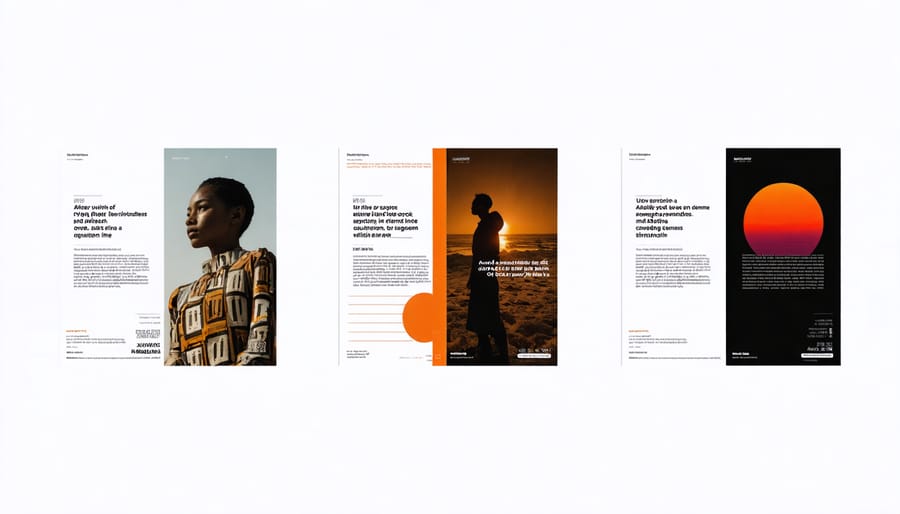
Visual content adaptation has proven crucial for brands expanding into diverse markets. Take McDonald’s as a prime example – their menu displays feature larger photos in image-driven Asian markets while prioritizing text and pricing in Western regions. Similarly, Nike customizes its social media visuals, showing more group activities in collectivist societies and individual achievements in individualistic cultures.
Color schemes also play a vital role in successful adaptation. When Pepsi entered the Middle East, they adjusted their signature blue to deeper shades that resonated better with local preferences. Meanwhile, fashion retailers like Zara modify their website layouts seasonally – showing warm-weather clothing to Australian shoppers during December while displaying winter collections to North American audiences.
Digital platforms have mastered visual adaptation too. Netflix creates multiple thumbnail versions for the same content, testing which images perform best in different regions. They found that showing emotional close-ups works better in Latin American markets, while action-packed scenes attract more viewers in Asian countries. These thoughtful visual modifications help brands maintain their identity while respecting cultural nuances and local preferences.
Format Flexibility Strategies
Mobile-First Adaptations
In regions where mobile internet dominates, successful content creators are reshaping their work to meet audience needs. A standout example comes from East African markets, where writers have mastered the art of “chunk-style” content – breaking long articles into digestible, swipeable segments that work beautifully on smaller screens.
Consider how Canadian travel writers adapting content for the Indian market now lead with mobile-optimized image galleries, knowing that their audience primarily browses on smartphones. They’ve shifted from desktop-focused horizontal layouts to vertical scrolling stories that feel natural on mobile devices.
Southeast Asian markets have sparked another clever adaptation: the rise of “mini-articles” – 300-word pieces that deliver value while respecting limited data plans and busy mobile readers. Writers are learning to front-load key information and use bullet points strategically for better mobile scanning.
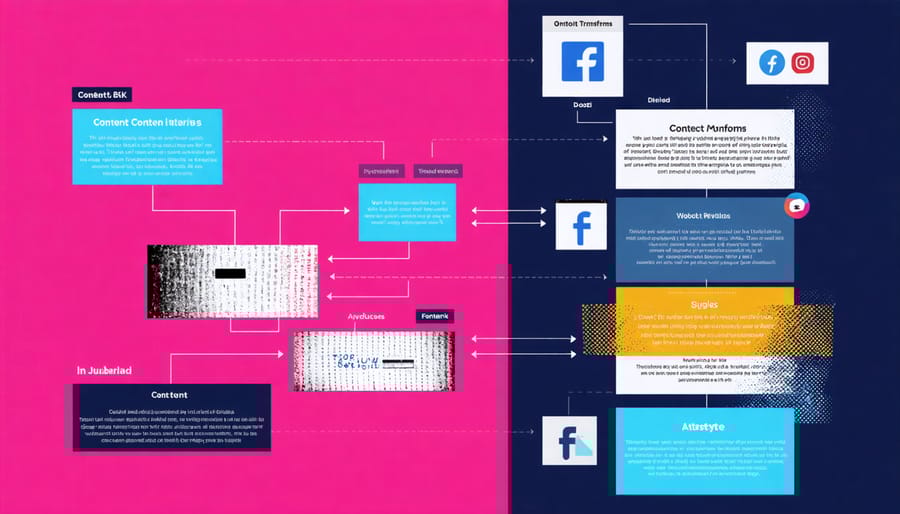
Social media storytelling has also evolved, with writers creating content that seamlessly transitions between Instagram Stories, WhatsApp updates, and traditional blog formats. This includes crafting headlines that work equally well as social media previews and using subheadings that double as shareable quotes.
Smart freelancers are now designing their portfolios with mobile-first previews, ensuring potential clients can easily review their work on any device. They’re also experimenting with progressive disclosure techniques, where content expands thoughtfully as readers engage, making complex topics accessible on smaller screens.
Social Media Platform Variations
As Canadian freelancers expand their reach globally, understanding platform-specific content adaptation is crucial. Different regions often prefer their own social media platforms, requiring writers to adjust their social media engagement strategies accordingly.
In China, for instance, successful content creators adapt their material for WeChat and Weibo instead of Facebook and Twitter. This means shorter posts on Weibo (similar to Twitter) but with more visual elements, while WeChat content tends to be longer and more detailed, often incorporating mini-programs and interactive elements.
Russian writers often focus on VKontakte (VK), where longer posts and extensive photo albums are common practice. The platform favors personal storytelling and community engagement, making it essential to adapt content with a more conversational tone.
In South Korea, Naver and Kakao dominate the social landscape. Content here typically includes more emoticons, stickers, and cute visual elements, even in professional posts. Writers often break down complex topics into digestible, visually appealing formats that resonate with the local audience.
Japanese users prefer LINE for social sharing, where content is typically more concise and heavily relies on branded characters and stickers for engagement. Success on these platforms often comes from understanding these unique cultural preferences and adapting content accordingly.
Technical Adaptation Examples
Loading Speed Optimization
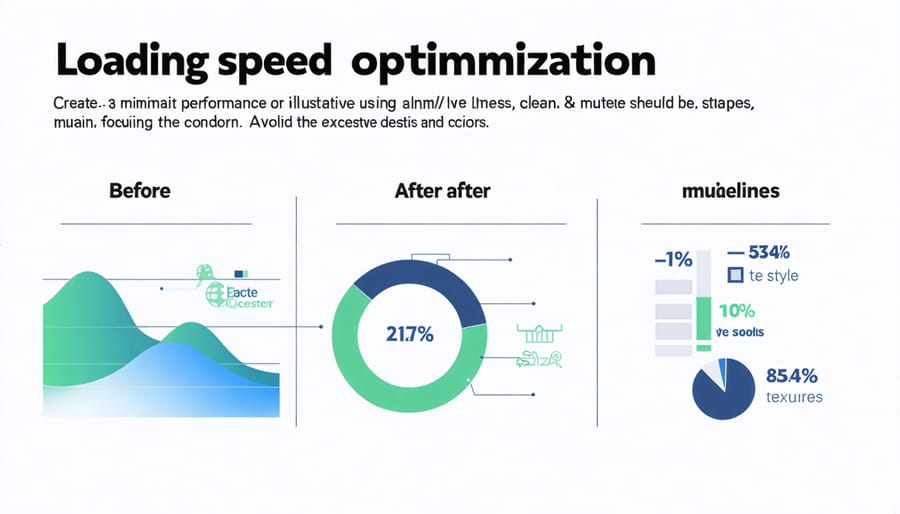
When crafting content for diverse audiences, loading speed optimization is crucial for reaching readers with varying internet connections. A smart approach is to create multiple versions of your content that adapt to different connection speeds. For slower connections, you might offer a text-only version that loads quickly and gets straight to the point. This ensures readers can access essential information without waiting for heavy media elements to load.
For faster connections, you can include high-resolution images, interactive elements, and embedded videos that enhance the reading experience. Consider implementing progressive loading, where the basic content appears first, followed by enhanced features as they become available. This strategy keeps readers engaged regardless of their connection speed.
Another effective technique is to use adaptive image loading. Instead of serving the same large image file to everyone, your content can automatically deliver appropriately sized images based on the user’s connection speed and device capabilities. For instance, a reader on a slow mobile connection might receive compressed images, while someone on high-speed broadband gets full-resolution versions.
Remember to test your content across different connection speeds. Tools like Chrome’s network throttling can help you experience your content as readers with slower connections would. This hands-on testing ensures your adaptive strategy works effectively for all audience segments.
Device Compatibility
Today’s successful content creators understand the importance of device-specific adaptation. Take Netflix, for example – their mobile app automatically adjusts video quality and orientation based on your device and connection speed, ensuring smooth viewing whether you’re on a tablet or smartphone.
Medium, the popular writing platform, showcases another brilliant adaptation strategy. Their responsive design automatically reformats articles to provide optimal reading experiences across devices. Text size adjusts naturally, images scale appropriately, and navigation becomes touch-friendly on mobile devices.
WordPress themes have also mastered device compatibility. Popular themes like Divi and Astra automatically reorganize content blocks, menus, and sidebars based on screen size. This means your blog posts look equally professional on desktop monitors and mobile phones.
Email marketers are getting smarter too. Platforms like Mailchimp offer preview options for different devices, helping writers ensure their newsletters look perfect everywhere. They’ve found that mobile-optimized emails see up to 15% higher click-through rates.
For freelance writers, understanding these adaptations is crucial. When creating content, consider how your work will appear across devices. Use short paragraphs for mobile readability, choose mobile-friendly fonts, and ensure any embedded media is responsive. Remember, over 50% of web traffic now comes from mobile devices – making device compatibility not just a nice-to-have but a must-have skill.
As we’ve explored throughout this article, adaptive strategies are essential tools in every freelance writer’s toolkit. By implementing these approaches, you can expand your reach, enhance your versatility, and create more meaningful connections with diverse audiences across Canada and beyond.
Remember that successful adaptation isn’t about completely changing your voice or compromising your unique style. Instead, it’s about thoughtfully adjusting your approach to better serve your clients and readers while staying true to your core strengths. Whether you’re localizing content for different Canadian regions, transforming long-form articles into engaging social media posts, or adapting your writing for various industries, these strategies can help you thrive in today’s dynamic writing landscape.
Start small by choosing one or two strategies that resonate most with your current goals. Perhaps begin with cultural adaptation if you’re targeting specific Canadian markets, or focus on format adaptation if you’re looking to diversify your content portfolio. As you grow more comfortable, gradually incorporate additional strategies into your workflow.
Remember that adaptation is an ongoing process of learning and refinement. Don’t be afraid to experiment, gather feedback, and adjust your approach as needed. Your willingness to adapt and evolve will not only make you more valuable to clients but also help you build a more sustainable and fulfilling writing career.
Take action today by reviewing your recent writing projects and identifying opportunities where these adaptive strategies could enhance your work. Your future success as a freelance writer may well depend on your ability to adapt and grow in this ever-changing industry.