

Transform your freelance writing income into maximum take-home pay by mastering your tax obligations for Canadian writers. Track every writing-related expense meticulously – from your home office space to research materials and professional development courses. Set aside 25-30% of each payment immediately to cover quarterly tax installments, preventing year-end surprises and penalties. Incorporate your writing business strategically to unlock additional tax advantages and protect your personal assets.
Smart tax planning makes the difference between struggling and thriving as a freelance writer. Whether you’re crafting website content from your kitchen table or managing multiple corporate clients from a dedicated home office, understanding the tax landscape puts more money in your pocket. This guide walks you through proven strategies to optimize your tax position while staying fully compliant with Canada Revenue Agency requirements.
From basic deductions to advanced tax-planning techniques, you’ll discover practical ways to reduce your tax burden legally and build a more profitable writing business. Let’s explore how to turn tax season from a source of stress into an opportunity for financial growth.
Essential Tax Deductions Every Freelance Writer Should Know
Home Office and Equipment Deductions
As a freelance writer working from home, you can claim significant tax deductions for writers related to your workspace and equipment. If you have a dedicated home office, you can typically deduct a portion of your housing expenses, including rent or mortgage interest, property taxes, utilities, and home insurance. Calculate this by determining what percentage of your home’s total square footage your office occupies.
Your essential writing tools are also deductible. This includes your computer, printer, desk, chair, and other office furniture. Remember to keep all receipts and claim these items using the appropriate depreciation rates set by the CRA. Software subscriptions, including writing tools, grammar checkers, and cloud storage services, are fully deductible as business expenses.
Don’t overlook smaller office supplies like notebooks, pens, printer ink, and paper. While these might seem minor, they add up over the year and are 100% deductible. If you use a cell phone or internet for your writing business, you can claim the business-use portion of these expenses.
For equipment purchases over $500, you’ll need to depreciate them over several years using the Capital Cost Allowance (CCA) rules. Keep detailed records of when you bought each item and how much you use it for business versus personal use to support your claims during tax time.

Professional Development and Research Materials
As a freelance writer, investing in your professional development isn’t just good for your career – it can also benefit your tax situation. The Canada Revenue Agency (CRA) allows you to deduct various educational and research materials that directly relate to your writing business.
You can claim costs for writing courses, workshops, and webinars that help improve your skills or expand your service offerings. Whether it’s a course on SEO writing, creative writing, or business management for freelancers, these educational expenses are typically deductible as long as they’re relevant to your writing income.
Reference materials are another valuable deduction. This includes both digital and physical books about writing, style guides, and specialized dictionaries. Subscriptions to industry publications, research databases, and professional journals can also be claimed if they’re essential for your work.
Don’t forget about writing software and tools. Grammar checkers, writing apps, and research tools you use for your business are legitimate expenses. Even a portion of your audiobook subscriptions might be deductible if you can demonstrate their use in research or professional development.
Keep detailed records of all your learning investments, including receipts and how each resource connects to your writing business. When in doubt about whether a particular educational expense qualifies, consult with a tax professional who understands freelance business deductions.
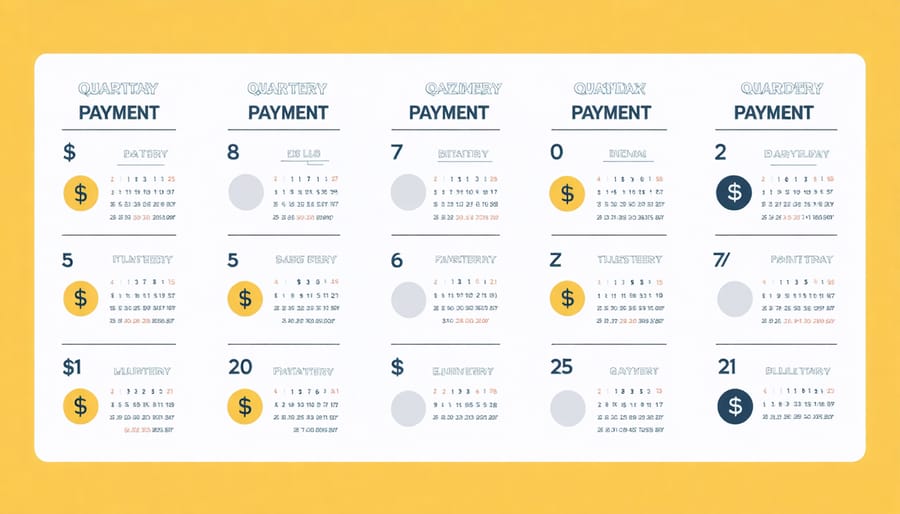
Quarterly Tax Planning for Steady Cash Flow
Setting Aside Tax Money
As a freelance writer in Canada, setting aside money for taxes is crucial to avoid CRA tax surprises and maintain financial stability. A good rule of thumb is to save 25-30% of your income for taxes, though your exact rate may vary based on your tax bracket and province.
Consider opening a separate savings account dedicated to tax payments. Each time you receive payment for a writing project, immediately transfer your designated tax percentage to this account. This helps resist the temptation to spend money that should be reserved for taxes.
If your annual income exceeds $30,000, you’ll need to register for GST/HST and collect these taxes from your clients. Keep these funds separate from your regular tax savings, as they belong to the government and must be remitted according to your filing schedule.
Setting up quarterly tax installments can make tax season less stressful by spreading out your payments throughout the year. Use the CRA’s online calculator to estimate your quarterly payments and adjust them as your income changes. Remember, consistent saving habits now lead to peace of mind when tax deadlines approach.
Payment Schedule Optimization
As a freelance writer, timing your income and tax payments strategically can make a significant difference in your financial health. Rather than waiting for one large tax bill at year-end, consider setting up quarterly tax installment payments. This approach helps you manage cash flow more effectively and prevents the stress of a substantial lump-sum payment.
Create a dedicated savings account for taxes and automatically transfer 25-30% of each payment you receive. This habit ensures you’ll have funds available when tax time comes around. If your income fluctuates seasonally, you might want to save a higher percentage during peak earning periods.
Many writers find success by establishing regular payment schedules with their clients. Instead of accepting sporadic payments, try negotiating fixed payment dates. This predictability makes it easier to plan your tax installments and manage your overall finances.
Consider the timing of your business expenses as well. If you’re planning significant purchases like a new computer or office furniture, strategically timing these expenses can help offset higher-income periods. Just remember to keep detailed records of all transactions for tax purposes.
By maintaining a consistent payment schedule and planning your tax installments thoughtfully, you can reduce financial stress and focus more energy on growing your writing business.
GST/HST Considerations for Canadian Writers
As a Canadian freelance writer, understanding GST/HST requirements is crucial for your business success. The good news is that you don’t need to register for GST/HST until your writing income exceeds $30,000 in any 12-month period. This threshold gives new writers time to establish their business before dealing with sales tax obligations.
Once you cross that $30,000 mark, you’ll need to register within 29 days. While this might seem daunting, collecting and remitting GST/HST can actually benefit your business. When registered, you can claim input tax credits on your business expenses, potentially reducing your overall tax burden.
For writers working with international clients, especially those in the United States, GST/HST generally doesn’t apply to your services. This “zero-rated” status means you don’t charge GST/HST on these transactions, making your services more competitive globally.
Keep detailed records of your GST/HST collections and payments. Many writers find it helpful to set aside the collected tax in a separate account to ensure funds are available when it’s time to remit. Remember, GST/HST amounts vary by province, so confirm the correct rate for your location.
Pro tip: Consider voluntary registration before hitting the $30,000 threshold if you have significant business expenses. This strategy allows you to claim input tax credits earlier, potentially improving your cash flow.
For invoicing, clearly show your GST/HST registration number and separate the tax amount from your service fees. This transparency helps both you and your clients maintain accurate records. Many successful writers use accounting software to automate these calculations and ensure compliance.
Remember to file your GST/HST returns on time, typically quarterly or annually, depending on your revenue. Late filing can result in penalties, so mark these deadlines in your calendar alongside your regular income tax dates.
Record-Keeping Systems That Save Time and Money
Keeping accurate records isn’t just about staying organized – it’s a powerful way to maximize your tax benefits and protect your writing business. The good news is that effective record-keeping doesn’t have to be complicated or time-consuming. As part of smart business planning for freelancers, establishing a reliable system early on can save you countless hours and dollars during tax season.
Start by creating dedicated folders (physical or digital) for different expense categories: home office costs, professional development, software subscriptions, and client-related expenses. Popular cloud-based options like Wave, FreshBooks, or QuickBooks Self-Employed can automatically track your income and expenses while generating professional invoices.
Consider these essential record-keeping practices:
• Keep all receipts for business expenses, either by scanning them or using receipt-tracking apps
• Maintain a mileage log if you travel for writing assignments
• Save monthly statements for internet and phone bills
• Document your home office measurements and related expenses
• Track time spent on different projects for accurate income reporting
• Store client contracts and correspondence
A simple spreadsheet can work wonders for tracking daily expenses and income. Create separate tabs for different quarters, making it easier to generate reports when needed. Remember to back up your digital records regularly and keep physical copies of crucial documents.
Pro tip: Set aside 15 minutes each week to update your records. This routine prevents the dreaded tax-season scramble and helps you spot potential deductions throughout the year. Consider using a separate business bank account to simplify expense tracking and maintain clear boundaries between personal and professional finances.
Remember that the Canada Revenue Agency (CRA) requires you to keep tax records for six years from the end of the last tax year they relate to. By maintaining organized records year-round, you’ll not only save time during tax season but also be better prepared if you’re ever selected for an audit.

Taking control of your taxes as a freelance writer doesn’t have to be overwhelming. Start by implementing these key strategies to set yourself up for success:
First, establish a reliable system for tracking your income and expenses. Set up a dedicated business bank account and use accounting software to record all transactions. Make it a habit to save receipts and log expenses as they occur, rather than scrambling at tax time.
Create a monthly routine to review your finances and set aside money for taxes. A good rule of thumb is to save 25-30% of your income for tax purposes. Consider opening a separate savings account specifically for tax payments.
Take advantage of available deductions by maintaining detailed records of your home office expenses, professional development costs, and business-related purchases. Schedule quarterly meetings with a tax professional to ensure you’re maximizing all potential tax benefits and staying compliant with CRA requirements.
Remember to register for GST/HST if your annual income exceeds $30,000, and keep track of input tax credits. Set up a system for issuing professional invoices and maintaining client records for tax reporting purposes.
By implementing these strategies consistently throughout the year, you’ll reduce stress during tax season and potentially increase your after-tax income. Start with one or two changes and gradually build your tax management system over time. Your future self will thank you for taking these important steps today.