
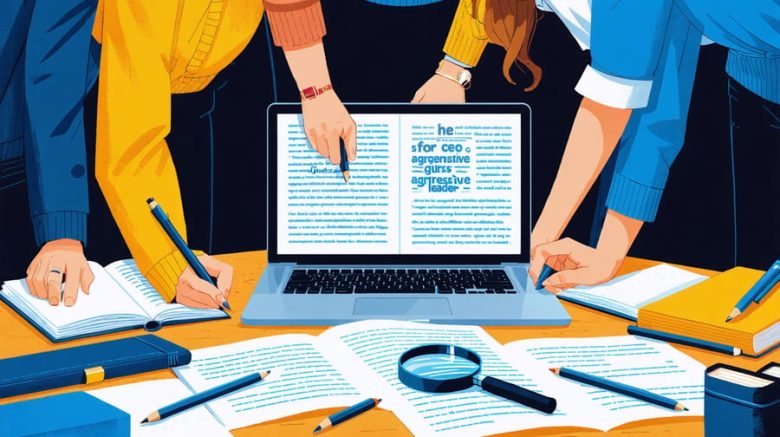
Algorithmic bias silently shapes the content we create, often perpetuating harmful stereotypes without writers even realizing it. As Canadian freelancers increasingly rely on AI writing tools, understanding these hidden biases becomes crucial for maintaining content integrity and professional reputation.
When AI language models consistently describe CEOs as “he,” recommend more aggressive language for male characters, or automatically assign certain professions to specific genders, they’re not just making random choices – they’re reflecting and amplifying societal prejudices. For writers committed to creating inclusive content, learning to recognize and counteract these biases while maintaining the ethical use of AI writing tools has become an essential professional skill.
The impact of algorithmic bias extends beyond gender issues. From cultural assumptions to age-related stereotypes, these automated systems can subtly influence our word choices, character descriptions, and narrative perspectives. By understanding these patterns, writers can consciously craft more balanced, representative content that resonates with diverse audiences while maintaining their authentic voice.
Let’s explore practical examples of algorithmic bias and learn how to navigate them effectively in your daily writing practice.
Gender Bias in Professional Writing
Resume and Cover Letter Biases
AI-powered resume scanners and writing tools can sometimes perpetuate gender biases in professional documents. For example, many popular resume optimization tools tend to favor traditionally masculine-coded language like “led,” “dominated,” and “aggressive” over more collaborative terms like “supported,” “facilitated,” or “cultivated.” This bias can particularly affect writers trying to protect your professional identity and showcase their work.
Cover letter analysis tools often flag language perceived as “too feminine,” such as phrases expressing empathy or emotional intelligence. Writers might find their natural voice being redirected toward more assertive tones, potentially compromising authenticity and diverse perspectives.
To counter these biases, consider using gender-neutral language and balancing achievement-focused terms with collaborative ones. Review your writing both with and without AI tools, trusting your expertise while remaining mindful of unconscious biases. Remember that the most effective professional documents reflect genuine capabilities and experiences, regardless of gendered language expectations.
Job Description Generation Issues
AI writing tools, while helpful for creating job descriptions, can sometimes perpetuate gender bias in subtle ways. When generating role descriptions, these tools may unconsciously favor masculine-coded language for leadership positions (like “aggressive,” “dominant,” or “competitive”) while using feminine-coded terms (such as “supportive,” “nurturing,” or “collaborative”) for administrative or care-related roles.
For freelance writers crafting job posts, this bias can limit the diversity of applicants and reinforce workplace stereotypes. For instance, a job description for a technical writer position might automatically include phrases like “assertive problem-solver,” potentially discouraging qualified candidates who don’t identify with such terminology.
To combat this, writers should actively review and adjust AI-generated content. Consider using gender-neutral alternatives and balanced language combinations. Instead of “dominant leader,” opt for “effective leader.” Replace “nurturing support staff” with “skilled support professional.” By being mindful of these nuances, writers can create more inclusive job descriptions that attract diverse talent and promote equal opportunities.
Remember to use tools like gender decoder websites to check your descriptions before finalizing them. This extra step helps ensure your writing welcomes all qualified candidates, regardless of gender identity.

Cultural and Language Biases
Regional Language Differences
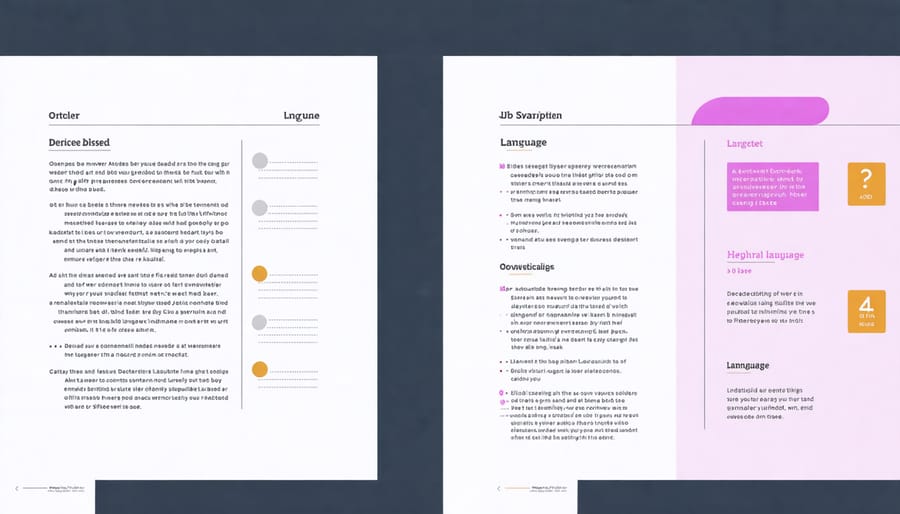
Many Canadian writers have encountered frustrating experiences with AI writing tools that show a clear American bias. For instance, these tools often flag perfectly correct Canadian spellings like “colour,” “centre,” and “cheque” as errors, forcing writers to either switch to American spellings or constantly override the suggestions.
Beyond spelling, AI tools frequently misunderstand Canadian cultural references and contexts. They might suggest replacing “toque” with “beanie” or fail to recognize distinctly Canadian terms like “loonie,” “double-double,” or “hydro” (when referring to electricity). This becomes particularly challenging when writing content specifically for Canadian audiences or describing Canadian experiences.
Content analysis tools may also misinterpret Canadian demographic data or regional expressions. A writer describing life in the Maritimes might find their authentic regional vocabulary flagged as incorrect, while references to Indigenous peoples might default to American terminology rather than accepted Canadian terms.
For Canadian freelancers, this means taking extra care when using AI tools and being prepared to advocate for maintaining Canadian language conventions when working with international clients or platforms.
Multicultural Content Challenges
AI writing tools can sometimes struggle with content that reflects diverse cultural perspectives and contexts. For instance, these tools might misinterpret cultural idioms, religious references, or traditional sayings when translating or rephrasing content. A common challenge occurs when AI suggests westernized alternatives to cultural expressions, potentially diluting the authentic voice of multicultural content.
As freelance writers, you might notice AI tools incorrectly flagging perfectly valid cultural terms as errors or suggesting inappropriate alternatives that don’t respect the original cultural context. This is particularly evident when writing about celebrations, customs, or traditional practices from various communities.
To maintain cultural authenticity in your writing, always review AI-generated suggestions carefully and trust your cultural knowledge. When writing about unfamiliar cultures, consider consulting with cultural experts or members of that community. Remember that while AI tools can be helpful writing assistants, they shouldn’t override your understanding of cultural nuances and sensitivities.
Keep documenting instances where AI tools mishandle cultural content – this awareness helps you make better decisions about when to rely on AI assistance and when to trust your human judgment.
Practical Solutions for Writers
Review and Edit Strategically
When reviewing AI-generated content for potential bias, follow these strategic steps to ensure your writing remains inclusive and professional. Start by conducting a thorough diversity check – examine how different demographics, cultures, and perspectives are represented in your content. Pay special attention to language that might inadvertently favor certain groups over others.
Create a bias-detection checklist that includes scanning for gender-specific terms, cultural assumptions, and regional preferences. For example, replace “businessman” with “business professional” or “executive.” Watch for subtle biases in examples and scenarios – ensure they don’t consistently feature particular demographics or situations that might alienate some readers.
Following responsible AI writing practices means actively questioning assumptions in your content. Ask yourself: Would this content resonate equally with readers from different backgrounds? Are metaphors and references culturally inclusive? Does the tone maintain professionalism while being welcoming to all?
Consider having colleagues from diverse backgrounds review your content. Their perspectives can highlight potential biases you might have missed. Keep a running list of inclusive alternatives for common phrases and update it regularly as language evolves.
Remember to review data sources and statistics carefully. Ensure they come from diverse, reliable sources and don’t perpetuate existing societal biases. This attention to detail will strengthen your writing and help build trust with your entire audience.
Tool Selection and Settings
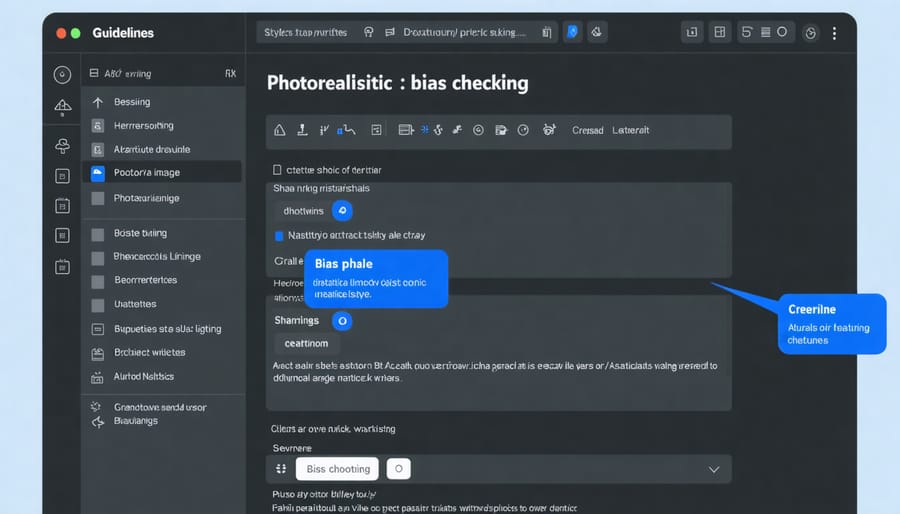
When selecting AI writing tools for your freelance work, prioritize those with transparent bias-detection features and customizable sensitivity settings. Look for tools that allow you to specify your target audience’s demographics and cultural context, which helps prevent unintended biases from creeping into your content.
Many modern writing assistants offer inclusive language features. Enable these settings to catch potentially biased phrases and receive alternative suggestions. For example, configure your tool to flag gender-specific job titles or culturally insensitive expressions, replacing them with neutral alternatives that resonate with diverse Canadian audiences.
Pay special attention to the training data sources of your chosen tools. Writers who work with specialized Canadian content should look for AI tools trained on Canadian English and multicultural perspectives. Some tools allow you to customize their language models with your preferred style guide or organization-specific inclusive language policies.
Consider using multiple tools in combination. While one tool might excel at detecting gender bias, another might better identify cultural or socioeconomic assumptions. Regular calibration of these tools is essential – review and update your settings as language norms evolve and your understanding of inclusive writing deepens.
Remember that AI tools are assistants, not replacements for human judgment. Use their suggestions as starting points for creating more inclusive content while maintaining your authentic voice and meeting your clients’ needs.
As we’ve explored throughout this article, algorithmic bias in AI writing tools presents real challenges for freelance writers, but it shouldn’t discourage us from embracing these powerful resources. By staying aware of potential biases in gender representation, cultural perspectives, and language patterns, we can use AI tools more effectively while maintaining our professional integrity.
Remember that you’re in control of the final output. Always review AI-generated content through a critical lens, making necessary adjustments to ensure inclusivity and accuracy. Consider incorporating diverse perspectives and voices in your writing process, and don’t hesitate to fact-check or revise content that might contain unconscious biases.
Success in modern freelance writing comes from balancing technological innovation with human insight. By understanding both the capabilities and limitations of AI writing tools, you can leverage them responsibly to enhance your work while maintaining your unique voice and professional standards.
Let’s move forward together, using AI as a helpful assistant rather than a replacement for human creativity and judgment. Your awareness of algorithmic bias is the first step toward creating more inclusive, accurate, and engaging content for your clients.