

As generative AI reshapes the writing landscape, Canadian writers and content creators face a critical turning point in how we approach our craft. The emergence of tools like ChatGPT and DALL-E demands clear policies that balance innovation with professional integrity. Responsible AI usage starts with transparent disclosure to clients and readers, while maintaining the human creativity that sets professional writers apart.
Today’s writers must navigate complex ethical considerations around AI integration – from properly attributing AI-assisted content to understanding where automated tools enhance rather than replace human expertise. Forward-thinking freelancers are already developing personal guidelines for AI use, ensuring their work remains authentic while leveraging these powerful new capabilities.
The key lies in creating practical, adaptable policies that protect both writers and clients. This means establishing clear boundaries for AI usage, implementing consistent disclosure practices, and staying informed about evolving industry standards. By proactively addressing these challenges, Canadian writers can confidently embrace AI tools while maintaining the trust and quality their clients expect.
This shift represents not just a challenge, but an opportunity for writers to differentiate themselves through thoughtful AI integration and transparent professional practices.
The Current State of AI Writing Interfaces
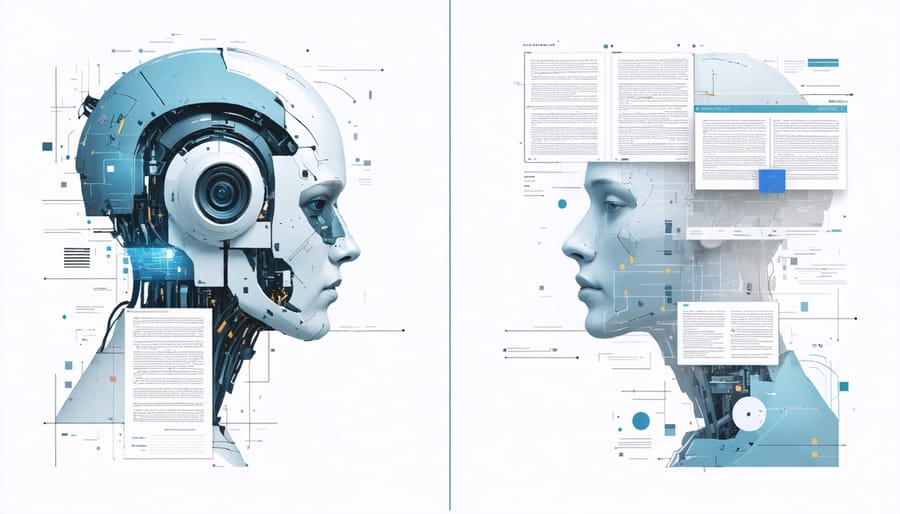
Common AI Writing Tools in the Market
Several AI writing tools have become popular among professional writers, each offering unique features to enhance your writing workflow. ChatGPT leads the pack with its versatile capabilities, helping writers brainstorm ideas, outline articles, and refine their content. Jasper (formerly Jarvis) specializes in marketing copy and long-form content, with templates designed for various writing formats.
Copy.ai focuses on shorter content pieces like social media posts and email marketing, making it ideal for writers handling multiple client platforms. WriteSonic offers a comprehensive suite of tools, including blog post generation and product descriptions, with a strong focus on SEO-optimized content.
For academic and professional writers, Grammarly’s AI-powered features go beyond basic grammar checking to suggest tone adjustments and style improvements. QuillBot helps with paraphrasing and content optimization, particularly useful when adapting existing content for different audiences.
Remember that these tools are meant to complement your writing skills, not replace them. The key is to understand each tool’s strengths and use them strategically while maintaining your unique voice and professional integrity.
How AI Tools Are Being Used Today
AI tools are rapidly transforming how writers approach their craft in various professional settings. Many newsrooms now use AI for data analysis and initial draft creation, while marketing teams leverage these tools for content optimization and headline generation. Freelance writers are finding success using AI assistants to overcome writer’s block and streamline their research processes.
Content agencies have integrated AI tools to help with SEO optimization and content planning, while maintaining human oversight for quality and creativity. Publishers use AI to analyze market trends and reader preferences, helping writers create more engaging content. Even traditional journalism outlets are experimenting with AI for fact-checking and generating basic news reports.
The key to successful AI integration lies in using these tools as enhancers rather than replacements. Writers are combining AI capabilities with their unique perspectives and expertise to deliver higher-quality work more efficiently. From crafting more compelling email newsletters to developing consistent blog content, AI tools are helping writers meet increasing content demands while maintaining their distinctive voice and professional standards.
Remember that transparency about AI usage remains crucial for maintaining trust with clients and readers.
Transparency Requirements for Writers
Client Communication Best Practices
Being transparent about AI tool usage with clients builds trust and maintains professional integrity. Start by proactively discussing your AI policy during initial consultations, focusing on how these tools enhance your workflow rather than replace your expertise. When communicating with clients, emphasize that AI serves as a productivity aid while you retain full creative control and editorial oversight.
Consider creating a simple disclosure statement that outlines your AI usage practices while protecting your digital privacy. This can include details about which aspects of your work may involve AI assistance and your quality control process.
Here’s a helpful approach to client discussions:
– Explain how AI tools complement your writing process
– Highlight your role in fact-checking and maintaining quality
– Share specific examples of when and how you use AI
– Address any concerns about content originality
– Outline your commitment to delivering authentic, human-crafted work
Remember to document these discussions in your service agreements and keep communication channels open for questions. Many clients appreciate honesty and will value your commitment to transparency. If a client expresses concerns, listen actively and be prepared to adjust your AI usage based on their preferences while maintaining professional boundaries.

Ethical Considerations
As writers embrace AI tools, maintaining professional integrity becomes increasingly important. Understanding and implementing ethical AI writing practices helps preserve the authenticity of your work while maximizing the benefits of these innovative tools.
First and foremost, be transparent with your clients about AI usage. Many organizations now require disclosure when AI tools are part of the creative process. This honesty builds trust and sets clear expectations for the final product. Consider creating a personal policy statement that outlines how and when you use AI assistance in your work.
Remember that AI should enhance, not replace, your unique voice and expertise. Use it for research, brainstorming, and fine-tuning rather than generating complete pieces. Always fact-check AI-suggested information and maintain your critical thinking skills throughout the writing process.
When using AI tools, respect intellectual property rights and copyright laws. Avoid using AI-generated content that might inadvertently copy existing work. Take responsibility for your final output by thoroughly reviewing and editing AI-assisted content to ensure it meets professional standards and reflects your authentic perspective.
Balance efficiency with creativity by establishing boundaries for AI usage. This might mean limiting AI to specific tasks like headline generation or grammar checking while reserving the core creative process for your human touch.
Practical Steps for Transparent AI Usage
Documentation Methods
As AI becomes more integrated into our writing workflows, maintaining clear documentation of its use is essential for transparency and professionalism. Many writers are now adopting straightforward methods to track and disclose their AI tool usage, making it easier to maintain trust with clients and readers.
A popular approach is keeping a dedicated AI usage log that details which parts of your content received AI assistance. This can be as simple as a spreadsheet noting the date, project, AI tool used, and specific contributions. Some writers also maintain version histories showing original AI outputs alongside their human-edited final versions.
For client work, consider adding an AI disclosure statement to your delivery documents or contracts. This can briefly outline which AI tools you use and how they support your writing process. Many successful freelancers find that being upfront about AI usage actually strengthens client relationships and demonstrates professional integrity.
Digital watermarking and metadata tags are emerging solutions that can automatically track AI contributions in your documents. While these technologies are still developing, they offer promising ways to maintain transparency without creating extra work.
Remember to regularly review and update your documentation methods as AI tools evolve. The goal is to find a balance between maintaining transparency and keeping your workflow efficient.
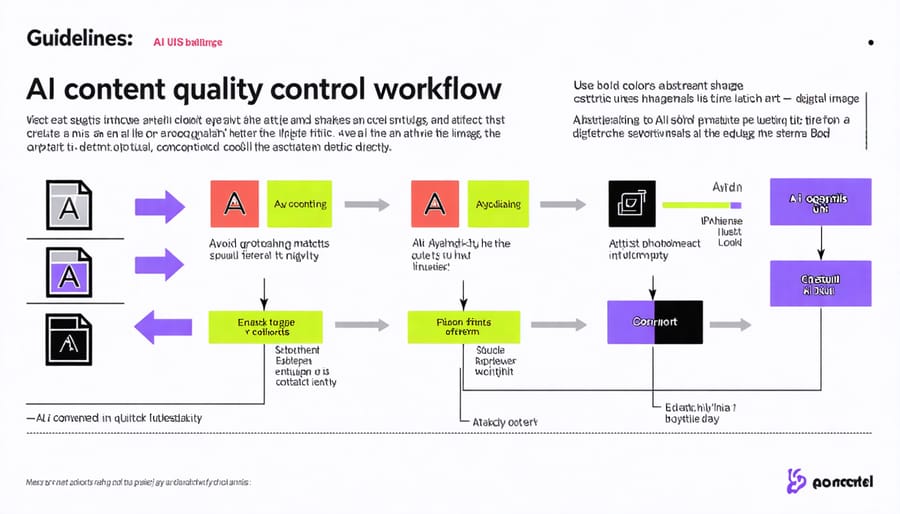
Quality Control Measures
Maintaining high-quality standards when using AI tools requires a systematic approach to content review and verification. Start by establishing clear quality benchmarks for your AI-assisted content, focusing on accuracy, originality, and alignment with your brand voice. Be particularly mindful of AI writing tool biases that might affect your content’s objectivity.
Implement a multi-step review process that includes:
– Fact-checking all AI-generated information against reliable sources
– Reviewing content for coherence and logical flow
– Ensuring consistent tone and voice throughout the piece
– Verifying that citations and references are accurate
– Running plagiarism checks to confirm originality
Consider creating a quality control checklist specific to AI-assisted content. This might include checking for common AI quirks like repetitive phrasing or outdated information. Many successful writers use a “human-in-the-loop” approach, where AI generates initial drafts but human expertise guides refinement and final approval.
Keep detailed records of your quality control process, including which sections were AI-generated and how they were verified. This documentation helps maintain transparency with clients and provides a clear trail of your professional diligence. Remember to regularly update your quality control measures as AI technology evolves and new best practices emerge.
As we look ahead, the landscape of generative AI in the writing industry continues to evolve rapidly, bringing both exciting opportunities and important responsibilities for Canadian writers. The key takeaway is that successful AI integration depends on developing clear policies that balance innovation with ethical considerations and professional standards.
Remember that transparency with clients about AI tool usage, maintaining data privacy, and regularly updating your personal AI policies are essential practices that will serve you well in your writing career. Many successful writers are already finding ways to leverage AI tools while upholding their professional integrity and delivering high-quality work.
The future outlook for AI in writing remains promising, with new tools and capabilities emerging regularly. However, the fundamentals of good writing – creativity, human insight, and authentic voice – will always remain valuable. By staying informed about AI policies, participating in industry discussions, and adapting your practices thoughtfully, you can position yourself for success in this evolving landscape.
As you move forward, focus on developing a balanced approach that combines AI efficiency with your unique human perspective. Remember that AI policies aren’t about restriction – they’re about empowerment and responsible innovation. Stay curious, keep learning, and don’t hesitate to share your experiences with fellow writers as we all navigate this exciting new chapter in professional writing together.