
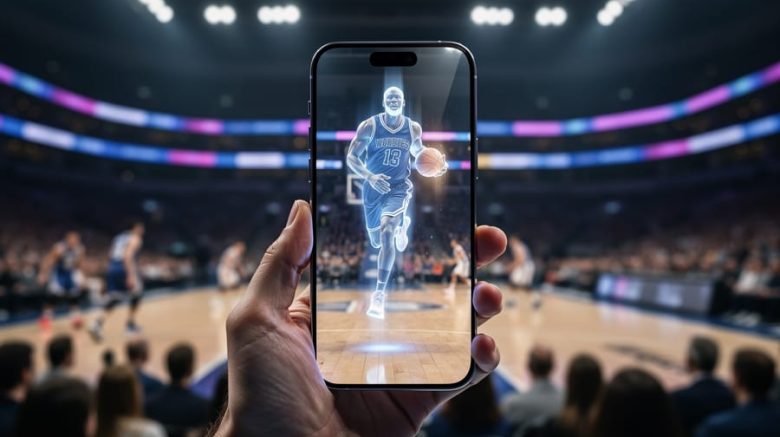
Picture a basketball fan pointing their smartphone at a stadium floor and watching their favorite player’s stats spring to life in 3D, floating above the court. Or imagine trying on virtual team jerseys from your living room before clicking “buy.” This is augmented reality in sports marketing—a technology that’s transforming how teams, brands, and athletes connect with fans while creating exciting opportunities for writers who can tell these stories.
Sports franchises are investing millions in AR campaigns because the results speak volumes. The Sacramento Kings saw a 300% increase in social media engagement after launching an AR treasure hunt that let fans explore their arena virtually. Meanwhile, Pepsi’s AR bus shelter campaign featuring unbelievable football scenarios generated over 6 million views, proving that blending real and digital worlds captures attention like nothing else.
For freelance writers, this emerging field offers a goldmine of content opportunities. Teams need compelling website copy explaining their AR fan experiences. Brands require white papers demonstrating AR’s return on investment. Tech companies developing these platforms seek writers who can translate complex features into benefits that resonate with sports marketers. The beauty is that you don’t need a computer science degree—you need curiosity, research skills, and the ability to craft narratives that show how technology creates meaningful fan moments.
The AR sports marketing industry is projected to reach $3.6 billion by 2028, and every innovation needs a writer to communicate its value. Whether you’re drafting press releases, creating social media content, or developing case studies, understanding this intersection of sports and technology positions you at the forefront of digital marketing’s most dynamic frontier.
What Augmented Reality Means for Sports Marketing
Real-World Examples That Work
Several major sports brands have proven that AR marketing creates interactive experiences that deeply resonate with fans. These campaigns offer valuable lessons for writers looking to pitch AR-focused content to sports marketing clients.
The NBA’s partnership with Snapchat stands out as a game-changer. Fans could use AR filters to virtually wear team jerseys and appear courtside during games. This campaign succeeded because it made fans feel personally connected to the action, generating millions of social media shares and extending the league’s reach to younger audiences.
Pepsi transformed London bus shelters into AR experiences where commuters witnessed virtual tigers, UFOs, and alien invasions through what appeared to be transparent walls. While not exclusively sports-focused, this campaign demonstrated how AR can create buzz-worthy moments that people naturally want to share online.
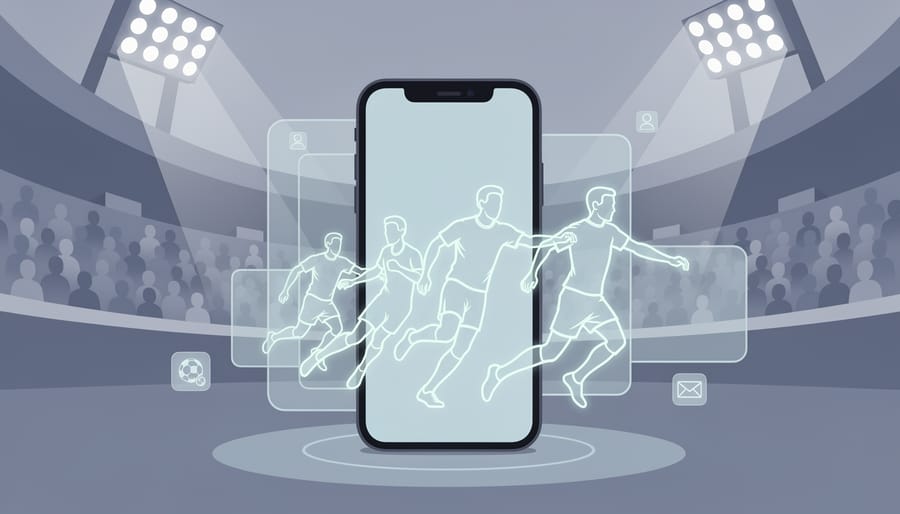
The NFL took stadium experiences further by launching an AR app that overlays real-time player stats and instant replays when fans point their phones at the field. This enhancement keeps audiences engaged throughout the game and provides additional value beyond traditional viewing.
Manchester City created an AR app allowing fans to place life-sized players in their living rooms for virtual meet-and-greets. This personalized approach strengthened emotional connections between supporters and their favorite athletes, proving that AR works brilliantly for fan engagement.
These success stories share common elements: they prioritize user participation over passive viewing, leverage social sharing features, and solve real problems like limited access to players or enhanced game understanding. For freelance writers, understanding these winning formulas helps you craft compelling proposals when approaching sports marketing clients seeking innovative content strategies.
Why Sports Brands Are Investing Heavily in AR Marketing
The Fan Experience Revolution
Augmented reality is transforming how fans connect with their favorite teams and athletes, creating memorable moments that go far beyond traditional advertising. These immersive experiences open exciting storytelling opportunities for writers who understand how technology enhances fan engagement.
Virtual meet-and-greets have become game-changers in sports marketing. Fans can now interact with holographic versions of star players through their smartphones, asking questions and taking photos without the logistics of physical events. The NBA’s Sacramento Kings pioneered AR player appearances that let fans experience one-on-one moments with their heroes, generating tremendous social media buzz.
AR photo opportunities at stadiums and arenas have revolutionized fan participation. Attendees can pose alongside virtual mascots, championship trophies, or legendary players from team history. These shareable moments create organic marketing as fans post their experiences online, and as we know, shareable content drives visibility across digital platforms.
Interactive game-day features bring statistics and player information to life. Point your phone at the field, and AR overlays display real-time player stats, instant replays from multiple angles, or animated play breakdowns. Major League Baseball teams have integrated AR scavenger hunts throughout ballparks, encouraging fans to explore while collecting virtual prizes.
For writers, these innovations mean fresh content angles and storytelling formats. Documenting fan experiences, explaining AR features, and crafting promotional copy for these technologies are all emerging opportunities in the sports marketing landscape.

Measurable Results That Matter
One of the most compelling advantages of AR in sports marketing is its ability to deliver concrete, measurable results. Unlike traditional advertising methods where engagement can be difficult to quantify, AR campaigns provide detailed analytics on user interactions, session duration, and conversion rates. Sports organizations can track exactly how fans engage with virtual experiences, from how long they interact with a branded AR filter to whether they complete a purchase after using an AR feature.
This data-driven approach makes AR campaigns easier to justify to stakeholders and budget committees. Marketing teams can demonstrate clear return on investment through metrics like increased merchandise sales, higher ticket purchases, or enhanced social media reach. For instance, when teams deploy AR experiences during game days, they can measure fan participation rates and correlate them with revenue increases.
For freelance writers covering these campaigns, understanding these metrics opens doors to case study opportunities and white paper projects. Sports brands need skilled communicators who can translate technical performance data into compelling narratives that showcase success. This creates steady work opportunities as organizations increasingly invest in AR technology and need documentation of their results to secure future funding.
Where AR and SEO Intersect in Sports Marketing
Creating Content Around AR Experiences
AR experiences don’t exist in isolation—they need compelling written content to support them and reach wider audiences. This is where freelance writers play an essential role in sports marketing campaigns.
Every AR campaign requires blog posts that explain how the technology works and why fans should engage with it. Teams launching AR jersey try-ons need articles describing the features and benefits. AR stadium tours require how-to guides walking users through the experience step-by-step. These pieces drive organic search traffic and help potential users discover the experience.
Social media copy is equally crucial. Writers craft tweets, Instagram captions, and Facebook posts that generate excitement and encourage downloads. Each platform requires different messaging—snappy one-liners for Twitter, visual storytelling for Instagram, and detailed explanations for LinkedIn.
Press releases announcing new AR features need professional writers who understand sports journalism and can communicate technical innovations in accessible language. These releases help secure media coverage that amplifies campaign reach beyond paid advertising.
Email campaigns nurturing leads through the customer journey also require skilled copywriting. From initial announcement emails to follow-up messages encouraging engagement, every touchpoint needs clear, persuasive content.
For writers, this represents a growing opportunity. As more sports organizations invest in AR marketing, they need content creators who can bridge the gap between technology and fan engagement. Understanding both sports culture and digital marketing gives you a competitive advantage in this expanding niche.
Freelance Writing Opportunities in AR Sports Marketing

Content Types in High Demand
As AR continues transforming sports marketing, brands need talented writers to communicate these innovative campaigns to diverse audiences. Whether you’re new to the field or an experienced writer looking to expand your portfolio, understanding the types of content in demand will help you position yourself for success.
Campaign descriptions are essential pieces that explain AR activations to stakeholders, fans, and the media. These concise documents outline how an AR experience works, what fans can expect, and why it matters. You’ll translate technical concepts into engaging narratives that capture the excitement of interactive experiences.
User guides help fans navigate AR features smoothly. Think of writing clear, friendly instructions for downloading an app, scanning QR codes at stadiums, or unlocking virtual player meet-and-greets. These guides require patience and the ability to anticipate user questions before they arise.
Case studies showcase successful AR campaigns, perfect for writers who enjoy storytelling with data. You’ll document results, interview marketing teams, and demonstrate ROI through compelling narratives that inspire future campaigns.
White papers provide deeper insights into AR trends and strategies. These authoritative pieces position brands as thought leaders while explaining complex topics in accessible ways. They’re ideal projects for building your expertise and commanding higher rates.
social media content is constantly needed to promote AR experiences across platforms. From Instagram captions announcing new features to tweets celebrating fan engagement, these quick-turn assignments keep campaigns buzzing.
Email marketing campaigns nurture fan relationships before, during, and after AR activations. You’ll craft compelling subject lines and persuasive calls-to-action that drive participation.
Finally, technical documentation written for general audiences bridges the gap between developers and users. This growing niche rewards writers who can simplify complex information without losing accuracy, making technology feel approachable and exciting.
Skills That Set You Apart
Breaking into AR sports marketing doesn’t require a computer science degree, but it does demand a unique blend of skills that will make you invaluable to potential clients. Think of yourself as a bridge between cutting-edge technology and passionate sports fans.
Start with basic tech literacy. You don’t need to code AR experiences, but understanding how the technology works will strengthen your writing. Familiarize yourself with popular AR platforms like Snapchat Lenses, Instagram filters, and mobile AR apps. Try a few sports-related AR experiences yourself to grasp what makes them engaging.
Your storytelling abilities are your secret weapon. AR campaigns still need compelling narratives that connect emotionally with fans. Whether you’re crafting social media copy for an AR jersey try-on feature or writing a press release about a stadium’s new AR wayfinding system, your ability to create excitement through words remains essential.
Deep knowledge of sports culture gives you an edge. Understanding team rivalries, fan traditions, and what drives sports enthusiasts helps you write content that resonates. Combine this with digital marketing fundamentals like knowing conversion metrics, user engagement strategies, and social media best practices.
The most successful writers in this space also develop curiosity about emerging trends. Follow sports tech publications, join relevant online communities, and stay updated on how teams are innovating with AR. This knowledge positions you as a forward-thinking professional who brings fresh ideas to every project, making clients eager to work with you repeatedly.
Success Story: From Sports Writer to AR Content Specialist
Meet Jordan Chen, a former sports journalist from Vancouver who successfully transitioned into AR sports marketing content creation just two years ago. After spending five years covering local hockey teams, Jordan noticed how teams were experimenting with augmented reality fan experiences and saw an opportunity to combine his sports expertise with emerging technology.
Jordan started by taking online courses in digital marketing and AR fundamentals while still working his journalism job. He then began pitching AR content ideas to sports marketing agencies, emphasizing his deep understanding of fan engagement and sports culture. His first project was writing social media content for a minor league basketball team’s AR filter campaign, earning $800 for what started as a side gig.
Today, Jordan specializes in creating content strategies for AR sports marketing campaigns, from scripting AR experiences to writing promotional materials that explain these innovations to fans. He now earns between $75,000 and $90,000 annually, working with three regular clients including a major sports apparel brand and a digital marketing agency serving professional teams.
The key to Jordan’s success was recognizing that his sports knowledge was the real asset. He didn’t need to become a programmer or designer. Instead, he learned enough about AR technology to communicate effectively with technical teams while focusing on what he did best: understanding audiences and crafting compelling narratives. His story proves that freelance writers can pivot into specialized niches by building on existing strengths rather than starting from scratch.
How to Break Into AR Sports Marketing Writing
Build Your Knowledge Base
You don’t need a technical degree to understand AR in sports marketing. Start by experiencing AR applications firsthand. Download popular sports apps that feature AR elements, like NBA AR or MLB Ballpark, to see how teams engage fans. Follow major sports franchises on social media to observe their AR campaigns in action.
Research case studies of successful AR marketing initiatives. Marketing publications like AdWeek and Campaign regularly feature sports brand innovations. Pay attention to what makes these campaigns effective, how they create engagement, and the storytelling approaches they use.
Subscribe to newsletters from sports marketing agencies and AR technology companies to stay current with trends. Watch behind-the-scenes content about campaign creation when available. This observation helps you understand client objectives and creative processes without getting lost in technical specifications.
Join online communities where marketers discuss emerging technologies. LinkedIn groups focused on sports marketing often share valuable insights about AR projects and industry shifts. Remember, your strength as a writer lies in translating complex concepts into compelling narratives. Focus on understanding the why and what of AR campaigns rather than the technical how, positioning yourself to write confidently about this growing field.

Portfolio Projects That Attract Clients
Building a portfolio without paid AR sports marketing experience is entirely possible with creativity and initiative. Start by conceptualizing AR campaign ideas for real sports teams or events. Create detailed proposals that outline how AR filters could enhance fan engagement during playoffs, or design mock-up concepts showing virtual player stats overlaid on stadium views. Document your creative process and strategic thinking in blog posts or case studies.
Consider reaching out to local amateur sports teams or community leagues who might appreciate free promotional content. Developing AR social media filters using accessible platforms like Spark AR or Snapchat Lens Studio demonstrates technical curiosity alongside your writing skills. You could write press releases announcing fictional AR campaigns, craft social media copy for imagined AR experiences, or develop content strategies explaining how teams could implement AR technology.
Another effective approach involves analyzing successful AR sports campaigns and writing thoughtful critiques or improvement suggestions. This showcases your understanding of what works while demonstrating analytical abilities clients value. Remember, your portfolio proves you understand both the technology’s potential and how to communicate its benefits persuasively—skills that matter more than having Fortune 500 clients listed.
Where to Find These Writing Jobs
Ready to dive into AR sports marketing writing? Start by targeting specialized platforms like Contently, ClearVoice, and Skyword, which connect writers with marketing agencies handling sports brands. Many professional sports teams, particularly in the NHL and NBA, post content creation opportunities directly on their career pages—check out teams like the Toronto Raptors and Vancouver Canucks regularly.
LinkedIn is your best friend here. Follow AR technology companies like Snapchat, Niantic, and Unity Technologies, plus sports marketing agencies such as Wasserman and Octagon. Set up job alerts for terms like “sports marketing writer,” “AR content creator,” and “digital sports copywriter.”
International opportunities abound on FlexJobs and We Work Remotely, where tech-forward sports brands seek writers who understand emerging technologies. Consider pitching directly to sports marketing blogs and AR industry publications—many pay well for informed contributors.
Canadian freelancers should explore Workopolis and Indeed Canada, filtering for remote marketing positions. Join Facebook groups like “Canadian Freelance Writers” and “Sports Marketing Professionals” where job leads surface regularly.
Pro tip: Build your portfolio by writing spec pieces about AR campaigns from brands like Nike or Adidas. This demonstrates your expertise and makes you infinitely more attractive to potential clients seeking writers who truly understand this exciting intersection of technology and sports.
The intersection of augmented reality and sports marketing isn’t just transforming how brands connect with fans—it’s creating a genuine goldmine of opportunity for Canadian freelance writers ready to embrace something new. While many writers are still focused on traditional niches, you have the chance to position yourself as a specialist in an emerging field that’s hungry for skilled communicators who can translate complex technology into compelling stories.
The beauty of this specialization is that you don’t need a computer science degree or years of tech experience. What matters most is your willingness to learn, your curiosity about innovation, and your ability to craft engaging content that resonates with sports fans and marketing professionals alike. Start small—follow AR sports campaigns on social media, read case studies, experiment with AR apps yourself, and begin pitching ideas to sports tech publications or marketing agencies serving athletic brands.
Right now, while AR in sports marketing is still establishing itself, you have a window to become a go-to expert before the market becomes saturated. The brands investing in AR experiences need white papers, blog posts, case studies, social media content, and press releases—all written by someone who understands both the technology and the passion that drives sports fandom.
This specialization offers the flexibility you love about freelancing while opening doors to higher-paying clients and more interesting projects. The income potential grows as your expertise deepens, and you’ll find yourself working on campaigns that genuinely excite audiences. Don’t wait until everyone else catches on—start exploring this niche today and watch your freelance career reach new heights.