

Track audience behavior patterns to transform your content strategy and boost engagement rates by up to 40%. Understanding how readers interact with your work isn’t just about numbers – it’s about creating meaningful connections that turn casual readers into loyal followers. Smart freelance writers know that audience behavior analysis reveals powerful insights: which topics resonate most, when readers are most active, and what content formats drive the strongest response.
Today’s digital tools make it easier than ever to decode audience preferences and adapt your writing accordingly. Whether you’re crafting blog posts, social media content, or email newsletters, understanding your readers’ habits helps you deliver exactly what they’re looking for, exactly when they want it. From tracking time-on-page metrics to analyzing social sharing patterns, these insights guide every successful content creator’s strategy.
The most successful Canadian freelance writers don’t just write – they observe, analyze, and evolve with their audience. By mastering audience behavior analytics, you’ll position yourself as a data-informed professional who consistently delivers content that connects, converts, and keeps readers coming back for more. Let’s explore how you can harness these powerful insights to enhance your writing career and create content that truly resonates with your target audience.
Decoding Your Audience’s Digital Footprint
Reading Patterns and Time Spent
Understanding how readers engage with your content is crucial for crafting more effective pieces and growing your freelance writing career. Modern analytics tools reveal fascinating patterns about reader behavior that can help you optimize your work.
Most readers follow an F-shaped pattern when scanning content, focusing heavily on the first few paragraphs before skimming down the left side of the page. This means your opening paragraphs and subheadings need to pack the most punch. Successful freelance writers capitalize on this by front-loading their most important information.
Time spent on page is another vital metric. The average reader spends 2-3 minutes on an article, though this varies significantly by content type. Long-form pieces typically see higher engagement times, with readers spending up to 7 minutes on well-crafted, in-depth articles.
Scroll depth data shows that only about 50-60% of readers make it to the bottom of an article. To combat this, consider structuring your content with the most valuable information in the top two-thirds of the piece. Use compelling subheadings and bullet points to maintain engagement throughout.
Mobile readers tend to spend 15-20% less time reading than desktop users, so ensure your paragraphs are short and scannable. Break up text with white space and use descriptive subheadings to guide readers through your content naturally.
By understanding these patterns, you can structure your writing to maximize reader engagement and deliver better value to your clients.
Social Sharing and Engagement Signals
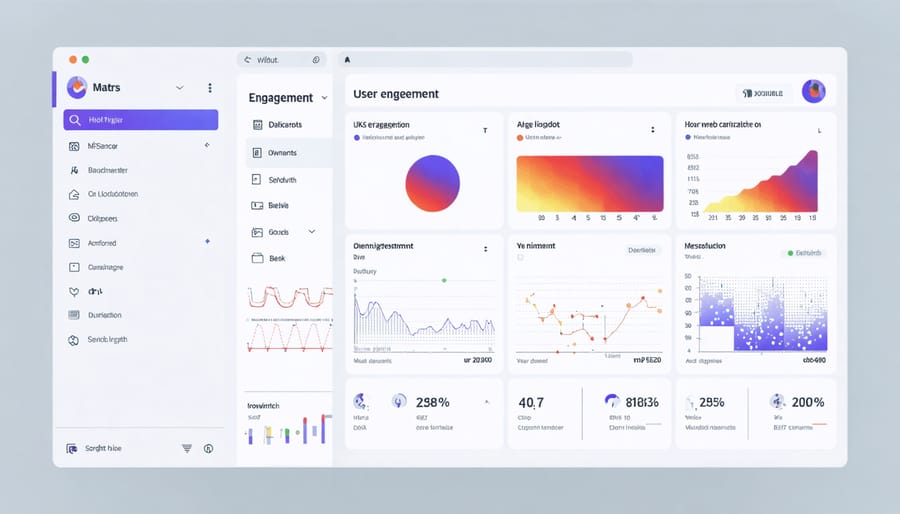
Understanding how readers share and engage with your content is crucial for building a successful writing career. When readers actively share your work across social platforms, it creates a ripple effect that extends your reach far beyond your initial audience. As writers, we need to master new ways to connect with readers through their sharing behaviors.
Pay attention to which topics spark the most shares on different platforms. LinkedIn users might share your business-focused articles, while Twitter followers could prefer your snappy, timely pieces. These sharing patterns reveal what resonates with your audience and can guide your content strategy.
Engagement signals like comments, likes, and saves are equally valuable metrics. When readers take time to interact with your content, it indicates they find genuine value in your work. Look for patterns in these interactions – do readers engage more with personal stories, how-to guides, or industry insights?
Make it easy for your audience to share your work by including clear social sharing buttons and creating snippet-worthy content. Pull-quotes, compelling statistics, and shareable images can encourage readers to spread your message. Remember, every share potentially introduces your writing to a new audience member who could become a loyal follower.
Track which platforms drive the most meaningful engagement and focus your efforts there. Quality engagement often leads to better opportunities and stronger connections in the Canadian freelance writing community.
Turning Behavioral Data into Content Gold
Content Format Preferences
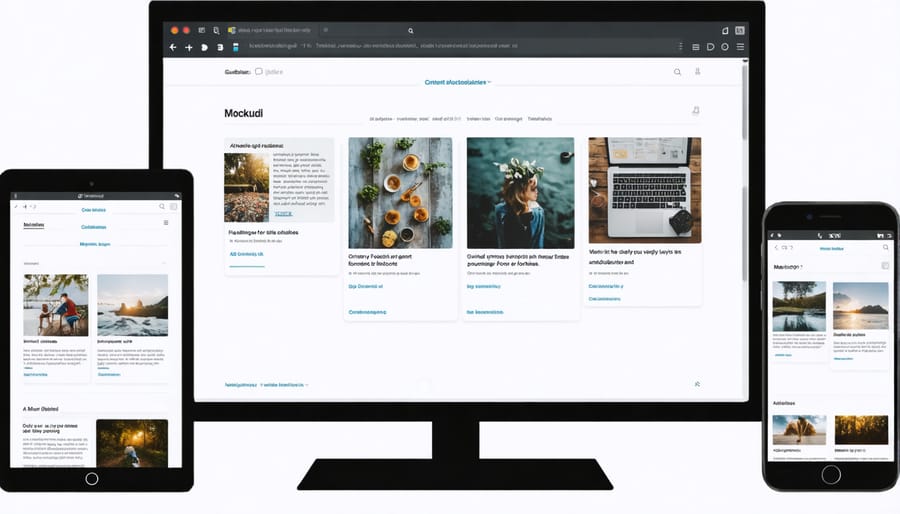
Understanding how your audience prefers to consume content is crucial for maximizing engagement and delivering value. Data analytics reveal that Canadian readers increasingly favor structured, easily digestible content formats that respect their time and attention spans. To adapt content effectively, consider incorporating these reader-preferred elements into your work.
Break down complex topics into scannable sections with clear subheadings, as studies show 79% of readers scan content before committing to full engagement. Use bullet points and numbered lists strategically – they typically receive 47% more attention than dense paragraphs. Visual elements like infographics and charts can boost information retention by up to 65%.
Pay attention to paragraph length – data suggests that 2-3 sentence paragraphs perform best on digital platforms. Mobile readers, who make up over 60% of online audiences, particularly appreciate this approach. Consider incorporating multimedia elements when relevant, as posts with images receive 94% more views than text-only content.
Track engagement metrics across different content formats to identify what resonates with your specific audience. Many successful freelance writers maintain a content format diary, noting which structures generate the most positive feedback and client satisfaction. Remember that preferences can evolve, so regularly review your analytics and adjust your formatting approach accordingly.
Topic Selection Strategy
Understanding your audience’s behavior is crucial for developing a personalized content strategy that resonates with readers. Start by analyzing your existing content’s performance metrics, paying attention to which topics generate the most engagement. Look for patterns in comments, social shares, and time spent on page to identify what truly interests your audience.
Create reader personas based on demographic data and behavioral patterns. Consider factors like reading preferences, professional backgrounds, and content consumption habits. Use these insights to brainstorm topic ideas that address specific pain points and interests.
Monitor social media conversations and industry forums where your target audience congregates. What questions are they asking? What challenges do they discuss most frequently? These real-world conversations often reveal content opportunities that might not be obvious through traditional keyword research.
Keep track of seasonal trends and timing patterns in your audience’s engagement. Some topics perform better during certain times of the day, week, or year. Use this information to plan your content calendar strategically.
Remember to validate your topic ideas against search intent data. Tools like Google Trends can help you gauge interest levels and timing, while analyzing top-performing content in your niche can reveal gaps you can fill with your unique perspective.
Timing and Distribution
Understanding when and where your audience is most active can dramatically boost your content’s reach and engagement. As a freelance writer, timing your posts strategically can make the difference between your work being seen or lost in the digital noise.
For Canadian audiences, peak engagement typically occurs between 9 AM and 11 AM EST on weekdays, with a second surge from 7 PM to 9 PM. These windows reflect when most professionals check their devices during morning commutes and evening downtime. However, weekend patterns shift notably, with higher engagement between 10 AM and 2 PM.
Distribution channels should align with your audience’s preferences. LinkedIn proves most effective for professional content during workday hours, while platforms like Medium and Twitter see better engagement during evening hours when readers have more time for in-depth content.
Consider these proven strategies:
– Schedule blog posts for Tuesday and Wednesday mornings
– Share social media updates during commute hours
– Send newsletters on Thursday mornings for optimal open rates
– Cross-post content across platforms with timing adjustments
– Use scheduling tools to maintain consistent posting
Remember to monitor your analytics and adjust accordingly. Your specific audience might have unique patterns that differ from these general guidelines. Regular testing and tracking will help you find the sweet spot for your content distribution, leading to better visibility and engagement with your target readers.
Tools and Techniques for Behavior Analysis

Free Analytics Tools
Understanding your audience doesn’t have to break the bank. Several powerful analytics tools are available at no cost, perfect for freelance writers looking to track their content’s performance. Google Analytics remains the gold standard for free analytics, offering comprehensive insights into page views, time spent on content, and reader demographics. Setting it up on your website or blog takes just minutes and provides valuable data about how readers interact with your work.
Social media platforms also offer built-in analytics tools that are incredibly useful. Twitter Analytics, Facebook Insights, and LinkedIn Analytics provide detailed information about engagement rates, reach, and audience demographics. These tools help you understand which topics resonate most with your readers and when they’re most active.
For email newsletters, MailChimp’s free tier allows you to track open rates, click-through rates, and subscriber behavior for up to 2,000 contacts. This information is crucial for understanding what subject lines work best and which content drives the most engagement.
WordPress users can benefit from built-in statistics and free plugins like Monster Insights, which provide detailed information about reader behavior directly in your dashboard. For those focused on SEO, Google Search Console offers invaluable insights into how readers find your content through search engines.
Remember to check your hosting platform’s built-in analytics as well – many offer basic tracking features that can complement these free tools.
Data Interpretation Best Practices
When interpreting audience behavior data, start by establishing clear goals for your analysis. What specific insights are you seeking? Are you looking to understand reading patterns, engagement levels, or content preferences? Having focused objectives helps prevent data overwhelm and keeps your analysis relevant.
Group your data into meaningful categories that align with your writing goals. For instance, combine metrics like time spent on page, scroll depth, and social shares to gauge content engagement. This approach helps you spot patterns that might not be obvious when looking at individual metrics.
Remember that numbers tell stories, but context matters. A high bounce rate might not always be negative – perhaps readers found exactly what they needed quickly. Consider seasonal trends, time zones, and cross-cultural audience engagement patterns when analyzing your data.
Focus on actionable insights rather than getting lost in metrics. If data shows readers prefer longer articles in the morning but shorter pieces in the evening, adjust your content schedule accordingly. Look for correlations between successful pieces to identify what resonates with your audience.
Finally, establish a regular review schedule. Monthly analysis helps you stay on top of changing audience preferences while giving you enough data to spot meaningful trends. Keep track of your interpretations and the actions you take – this creates a valuable reference for future content planning.
Understanding your audience’s behavior is more than just collecting data – it’s about turning those insights into meaningful actions that can boost your writing career. By implementing the behavioral analytics strategies we’ve discussed, you can make informed decisions that truly resonate with your readers.
Start small by focusing on one or two key metrics that matter most to your writing goals. Whether it’s tracking engagement time, monitoring social shares, or analyzing comment patterns, choose metrics that align with your content objectives. Remember, successful freelance writers don’t try to track everything at once – they focus on what drives real results.
Make it a habit to review your audience data weekly. Set aside time to analyze trends, identify what content performs best, and adjust your writing approach accordingly. Pay attention to when your readers are most active and what topics generate the most interaction.
Create an action plan based on your findings. If you notice higher engagement with certain types of content, consider developing more articles in that direction. Use your audience insights to pitch better-targeted ideas to clients and demonstrate your understanding of their readers’ preferences.
Most importantly, stay flexible and willing to adapt. Audience behaviors evolve, and successful writers evolve with them. Keep testing new approaches, measuring results, and refining your strategy. Your ability to understand and respond to audience behavior will become one of your most valuable freelancing skills.