

The gig economy has revolutionized how millions of Canadians work, offering unprecedented flexibility and opportunity alongside unique challenges. From Uber drivers to freelance writers, independent contractors now make up nearly 13% of Canada’s workforce, transforming traditional employment relationships into dynamic, project-based partnerships.
These modern workers navigate a complex landscape where independence meets uncertainty. They’re building careers one gig at a time, leveraging digital platforms to connect with clients worldwide while managing their own schedules, workloads, and professional development. For many, it’s the perfect blend of freedom and entrepreneurship.
Yet this new frontier of work brings important questions about financial security, work-life balance, and professional growth. Gig workers must become skilled at not just their craft, but also marketing, accounting, and time management. They’re pioneering new ways of thinking about career success, challenging conventional wisdom about what it means to be “employed.”
As this workforce continues to expand, understanding its unique dynamics becomes crucial for both workers and the broader economy. Whether by choice or circumstance, gig workers are reshaping the future of work, creating innovative solutions to age-old employment challenges, and demonstrating that success can come in many forms.
The Modern Writing Gig Landscape
Popular Writing Platforms
Today’s freelance writers have access to numerous thriving writing platforms that cater to different specialties and experience levels. Upwork stands out as a versatile marketplace where writers can find diverse projects, from blog posts to technical documentation, with the added security of payment protection. Contena offers curated writing opportunities and helps writers track their applications, though it requires a membership fee.
For content marketing specialists, Scripted provides access to enterprise clients willing to pay premium rates for quality work. Writers who prefer creative freedom often gravitate toward Medium’s Partner Program, where earnings are based on reader engagement. Fiverr gives writers control over their service packages and pricing, making it ideal for those who want to build a distinctive brand.
Canadian writers particularly benefit from platforms like Constant Content and Writer Access, which often feature clients seeking region-specific expertise. These platforms not only provide steady work opportunities but also offer tools for professional growth and networking within the writing community.

Direct Client Relationships
Building direct client relationships is one of the most rewarding aspects of gig economy work. Start by creating a professional portfolio website that showcases your best work and clearly communicates your services. LinkedIn can be an invaluable platform for connecting with potential clients – ensure your profile highlights your expertise and includes recommendations from previous clients.
Networking at industry events, both virtual and in-person, helps establish meaningful connections. Don’t hesitate to reach out to companies you’d like to work with directly through well-crafted pitch emails. Once you secure clients, maintain these relationships by delivering consistent quality work, meeting deadlines, and providing excellent communication.
Consider offering your regular clients package deals or retainer agreements for ongoing work. This approach provides more stable income while building stronger professional bonds. Remember to follow up with past clients periodically – a friendly check-in email or holiday greeting can lead to renewed opportunities.
The key to lasting client relationships is to position yourself as a reliable partner rather than just another freelancer. Go the extra mile by offering strategic insights, meeting emergency deadlines when possible, and staying current with your client’s industry trends.
Financial Success Strategies
Rate Setting and Negotiation
Setting your rates in the gig economy requires a careful balance between market awareness and self-worth. Start by researching current market rates for your specific writing niche, but remember that these are just guidelines. Your unique expertise and experience should influence your pricing strategy. When you’re ready to focus on landing high-paying gigs, consider creating tiered pricing packages that offer different levels of service.
During negotiations, maintain a professional yet friendly tone, and always have a clear rationale for your rates. Be prepared to explain the value you bring, including your research skills, writing expertise, and track record of delivering quality work. It’s perfectly acceptable to start with slightly higher rates, leaving room for negotiation while ensuring you don’t undervalue your services.
Consider these practical tips for rate setting:
– Calculate your desired hourly rate based on living expenses and career goals
– Factor in additional costs like software subscriptions and marketing
– Include buffer time for client communication and revisions
– Offer package deals for recurring work
– Review and adjust your rates every six months
Remember, it’s easier to lower your rates than to raise them later. Start with confidence, and don’t be afraid to walk away from opportunities that don’t meet your minimum requirements. Many successful writers find that showing flexibility while maintaining clear boundaries leads to better client relationships and more sustainable income.
Income Diversification
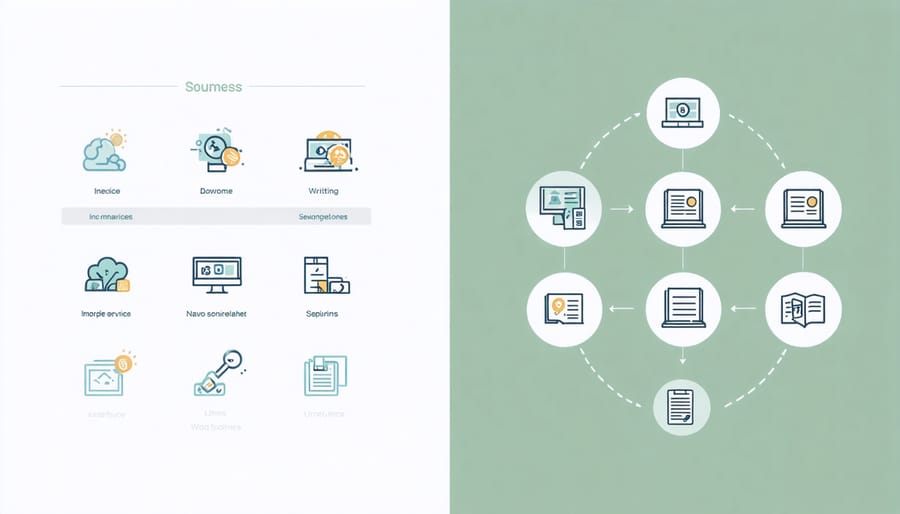
In today’s digital marketplace, successful freelance writers know that relying on a single income source can be risky. Smart diversification helps create a more stable income while allowing you to explore different aspects of writing. Start by identifying your core strengths and exploring various lucrative writing niches that align with your expertise.
Consider combining different types of writing services: blog posts for steady income, technical writing for higher-paying projects, and creative writing for personal fulfillment. Many Canadian writers find success by offering content writing packages alongside specialized services like editing, proofreading, or social media management.
Digital products can provide passive income streams. Create writing templates, educational courses, or downloadable guides based on your expertise. These resources continue generating revenue long after the initial work is complete.
Platform diversity is equally important. While maintaining profiles on major freelance platforms, develop direct client relationships through LinkedIn and professional networks. Consider contributing to content agencies, online publications, and corporate blogs to establish multiple revenue channels.
Remember to start gradually. Add new income streams one at a time, ensuring each is stable before expanding further. This approach helps maintain quality while building a sustainable writing business that can weather market fluctuations and seasonal changes in demand.
Work-Life Integration
Scheduling Techniques
Mastering your schedule as a gig worker is crucial for maintaining work-life balance and maximizing productivity. Start by blocking out specific time slots for different tasks – dedicate your peak energy hours to writing and creative work, while handling administrative duties during lower-energy periods.
Use digital calendar tools to track deadlines and commitments. Many successful freelancers swear by the “time-blocking” method, where you schedule everything from client work to breaks. Set aside buffer time between tasks to avoid overcommitting and maintain quality in your deliverables.
Consider adopting the “batch working” approach – group similar tasks together, like handling all your research on Monday mornings or tackling social media updates in one sitting. This reduces the mental energy spent switching between different types of work.
Remember to include regular breaks and self-care time in your schedule. A well-rested writer is a productive writer. Set boundaries by establishing your “office hours” and communicate them clearly to clients. This helps manage expectations and prevents burnout while maintaining professional relationships.
Finally, regularly review and adjust your schedule based on what works best for you. Your optimal routine might look different from other freelancers, and that’s perfectly fine.
Setting Boundaries
One of the biggest challenges for gig economy workers is maintaining a healthy work-life balance. While flexibility is a major perk of freelancing, it can also lead to burnout if you’re not careful with your boundaries. Start by establishing dedicated working hours that align with your peak productivity times. Even if these hours aren’t traditional 9-to-5, stick to them consistently.
Create a designated workspace, even if it’s just a corner of your living room, and treat it as your office. This helps mentally separate work time from personal time. Learn to say “no” to projects that don’t fit your schedule or rates, and communicate your availability clearly to clients.
Set up automated responses for after-hours messages and avoid checking work emails during your personal time. Remember, being available 24/7 doesn’t make you a better freelancer – it makes you a tired one. Schedule regular breaks and days off, just as you would in a traditional job. Your clients will respect clear boundaries, and your work quality will benefit from proper rest and recovery time.
Building Long-Term Stability
Personal Brand Development
In today’s digital marketplace, your personal brand is your most valuable asset. Start by defining your writing niche and expertise – whether it’s technical documentation, creative content, or business writing. This focused approach helps potential clients understand exactly what you bring to the table.
Create a professional website that showcases your best work and clearly communicates your services. Include a compelling bio that highlights your unique value proposition and writing experience. Remember, your website is often a client’s first impression of you, so make it count.
Social media presence is crucial for modern freelancers. LinkedIn should be your primary platform for professional networking, but don’t overlook Twitter and Instagram for connecting with fellow writers and potential clients. Share industry insights, writing tips, and glimpses of your work process to build authority in your field.
Build a strong portfolio featuring diverse writing samples that demonstrate your versatility and expertise. If you’re just starting, consider creating sample pieces or offering pro bono work to build your collection. Update your portfolio regularly with your best and most recent work.
Testimonials from satisfied clients add credibility to your brand. Don’t be shy about asking for reviews after successfully completing projects. These authentic endorsements can significantly influence potential clients’ decisions to work with you.
Remember to maintain consistency across all your brand touchpoints – from your writing style to your visual elements. This professional cohesion helps establish trust and recognition in the competitive freelance marketplace.

Future-Proofing Your Career
In today’s rapidly evolving digital landscape, future-proofing your freelance writing career is essential for long-term success. Start by diversifying your skills and writing expertise across multiple niches, which creates a safety net when certain industries experience downturns. Successful writers focus on maintaining consistent work while continuously upgrading their capabilities.
Stay ahead of industry trends by regularly following writing and content marketing blogs, participating in professional development workshops, and joining writers’ communities. Consider expanding your service offerings to include emerging content formats like video scripts, podcast show notes, or AI-assisted content optimization.
Build a strong personal brand through a professional website and active social media presence. This digital footprint helps attract better clients and positions you as an authority in your chosen niches. Remember to regularly update your portfolio with your best work and testimonials from satisfied clients.
Invest time in learning new tools and technologies that complement your writing skills. Familiarize yourself with content management systems, SEO tools, and basic digital marketing concepts. These additional skills make you more valuable to clients and help you command higher rates.
Finally, cultivate strong relationships with existing clients and maintain a robust network of fellow writers. These connections often lead to referrals and can help you weather uncertain times in the gig economy.
As we’ve explored throughout this article, the gig economy offers incredible opportunities for Canadian writers to build thriving, flexible careers. Success in this space isn’t just about landing your next writing job – it’s about strategically positioning yourself for long-term sustainability and growth.
Remember that building your freelance writing career is a journey. Start by establishing your niche and developing a strong portfolio. Focus on creating genuine connections with clients and fellow writers, as these relationships often lead to consistent work and valuable referrals. Stay proactive in managing your time, setting professional boundaries, and maintaining a healthy work-life balance.
Don’t be afraid to invest in yourself through continuous learning and skill development. The writing landscape evolves constantly, and staying current with industry trends will keep you competitive and relevant.
Most importantly, approach your freelance writing career with confidence and persistence. Every successful writer started exactly where you are now. Whether you’re crafting website content, blog posts, or technical documentation, there’s always room for dedicated professionals who deliver quality work.
Take action today: Update your portfolio, reach out to potential clients, or join a professional writing community. Your success in the gig economy depends on the steps you take right now. Remember, you’re not just building a job – you’re crafting a sustainable career that aligns with your goals and lifestyle.