

Transform your freelance writing services by mastering user experience personalization – the game-changing approach that helps you deliver exactly what each client needs. Today’s successful writers don’t just create content; they craft personalized experiences that speak directly to specific audiences and business goals. Every piece of content becomes an opportunity to demonstrate deep understanding of your client’s target market, whether you’re writing website copy, blog posts, or marketing materials.
Think of personalization as your secret weapon in a competitive market. By tailoring your writing approach to match individual client preferences, industry standards, and audience expectations, you’re not just delivering words – you’re providing strategic communication solutions that drive real results. This attention to personalized detail sets you apart from writers who take a one-size-fits-all approach, helping you command higher rates and build lasting client relationships.
The best part? Once you master personalization techniques, you’ll work more efficiently while delivering higher-quality content that truly resonates with readers. This means happier clients, better portfolio pieces, and more referrals for your writing business.
Understanding Your Client’s Voice
Creating Client Profiles
Creating detailed client profiles is a cornerstone of delivering personalized content that truly resonates with your audience. Start by developing a comprehensive questionnaire that covers not only basic preferences but also delves into their brand voice, target audience, and content goals. Consider their cultural business etiquette and communication style to ensure your approach aligns with their expectations.
Use a digital organization system, whether it’s a simple spreadsheet or a professional CRM tool, to track key information about each client. Document their preferred writing style, industry-specific terminology, and any unique requirements they’ve shared. Include examples of content they love (and content they don’t), along with notes from your conversations about their vision and objectives.
Keep these profiles living documents – update them regularly with new insights, feedback from previous projects, and evolving preferences. This dynamic approach helps you maintain strong client relationships and delivers increasingly targeted content that meets their specific needs. Remember to include any style guides or brand documentation they’ve provided, making it easy to reference these materials for future projects.

Tone and Style Adaptation
Adapting your writing tone and style to match your client’s brand voice is like being a skilled chameleon – it’s an essential skill for successful freelance writing. Start by carefully studying your client’s existing content, including their website, social media posts, and marketing materials. Look for patterns in word choice, sentence structure, and overall messaging approach.
Create a brand voice chart that outlines key characteristics: Is the brand casual or formal? Humorous or serious? Professional or conversational? Document specific words and phrases that appear frequently in their content. This becomes your personalization compass.
When writing, consciously mirror these elements while maintaining authenticity. If a brand uses metaphors frequently, incorporate similar literary devices. For technical clients, adopt their industry terminology while keeping content accessible. For lifestyle brands, embrace a more casual, friendly tone.
Remember to request feedback during your first few assignments to fine-tune your adaptation. Many successful writers keep detailed brand voice guides for each client, making it easier to switch between different writing styles efficiently.
Smart Tools for Content Personalization
Style Guide Templates
Creating personalized style guides for each client is a game-changer in delivering tailored content that truly resonates. Think of these guides as your client-specific playbooks, capturing every detail that makes their brand unique.
Start by developing a template that covers the essentials: brand voice, preferred terminology, formatting preferences, and content dos and don’ts. Include sections for color codes, font specifications, and image guidelines to ensure visual consistency across all deliverables.
Make it a collaborative effort by involving your clients in the process. Ask targeted questions about their communication style, target audience, and specific industry requirements. This not only helps create more accurate guides but also shows your commitment to understanding their needs.
Pro tip: Create digital versions of these guides using tools like Google Docs or Notion, making them easily accessible and updatable. Include real examples of both preferred and discouraged content styles to make the guidelines crystal clear.
Remember to review and update these guides regularly, especially after receiving client feedback or when brand directions shift. Consider adding a change log to track revisions and keep all stakeholders informed of updates.
By maintaining detailed style guides, you’ll save time, reduce revision requests, and build stronger client relationships through consistent, personalized content delivery.
Content Management Systems
Content Management Systems (CMS) have revolutionized how freelance writers can connect with readers through personalized experiences. These powerful tools help track user preferences, reading habits, and engagement patterns, making it easier to deliver tailored content that resonates with your audience.
Popular CMS platforms like WordPress, Drupal, and Joomla offer built-in features and plugins that automatically collect and analyze user data. You can use this information to customize everything from content recommendations to email newsletters. For instance, if a reader frequently engages with your articles about social media marketing, your CMS can automatically suggest similar topics or add them to a specialized mailing list.
The beauty of modern CMS tools lies in their user-friendly interface. You don’t need technical expertise to implement basic personalization features. Start by setting up user accounts and tracking basic metrics like page views and time spent on articles. As you become more comfortable, explore advanced features such as dynamic content blocks and personalized navigation menus.
Remember to regularly review your CMS analytics to refine your personalization strategy. This data-driven approach helps create more engaging content while building stronger relationships with your audience.
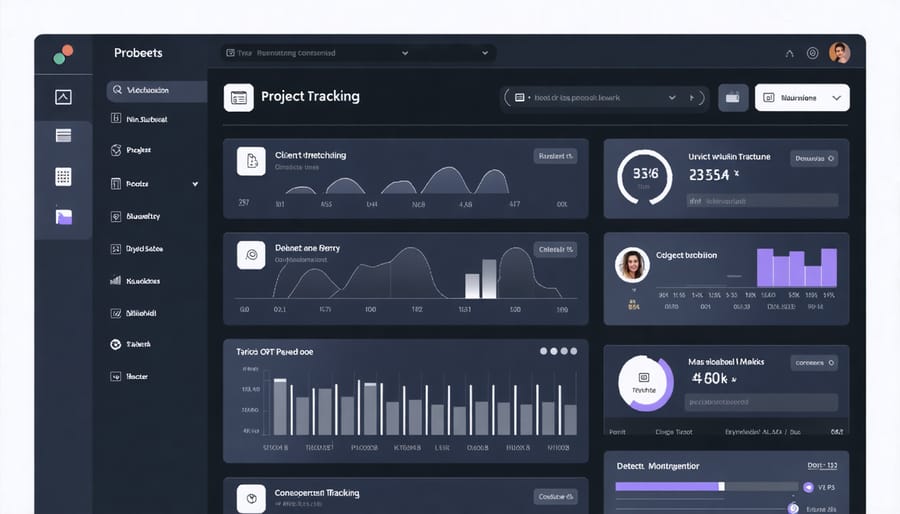
Building Your Personalization System
Client Onboarding Process
A well-designed client onboarding process is crucial for building client relationships and delivering personalized content that hits the mark. Start with a comprehensive welcome questionnaire that covers the essentials: brand voice, target audience, content goals, and preferred communication style.
Keep your intake forms focused and user-friendly. Include questions about:
– Brand personality and values
– Target audience demographics and pain points
– Preferred content formats and lengths
– Examples of content they love (and dislike)
– Key messaging points and unique selling propositions
– Style guide preferences or existing guidelines
Pro tip: Use free tools like Google Forms or TypeForm to create professional-looking questionnaires. These platforms offer templates you can customize, making the process smooth for both you and your clients.
Consider creating a welcome package that includes your process overview, communication preferences, and timeline expectations. This helps set clear boundaries and shows your professionalism from day one.
Remember to schedule a kick-off call after receiving the completed questionnaire. This personal touch allows you to clarify any points and pick up on nuances that might not come through in written responses. Take detailed notes during these conversations – they’re gold mines for understanding your client’s vision and voice.
Store all client information in an organized system that’s easy to reference. This foundation will help you deliver consistently personalized content that resonates with their audience and meets their objectives.
Quality Control Measures
Maintaining high standards in user experience personalization requires systematic quality control measures that every freelance writer should implement. Start by creating a comprehensive checklist that covers all personalization elements, from basic audience segmentation to advanced content customization techniques.
Regular testing is crucial. Set up a feedback loop with your clients and their target audience through surveys, comments, and engagement metrics. This helps you gauge the effectiveness of your personalized content and make necessary adjustments. Keep detailed records of what works and what doesn’t for different audience segments.
Consider implementing A/B testing for your personalized content variations. This method allows you to compare different approaches and determine which resonates better with specific audience groups. Track metrics like engagement rates, time spent on page, and conversion rates to measure success.
Create a standardized review process that includes peer feedback. Connect with other writers in your network to exchange insights and conduct quality checks. This collaborative approach helps catch potential issues before content goes live and ensures consistency across all personalized elements.
Document your successful personalization strategies and create templates that can be adapted for future projects. This not only saves time but also helps maintain quality standards across different clients and industries. Remember to regularly update these templates based on performance data and emerging trends in user experience personalization.
Finally, establish clear success metrics for each personalization project and review them regularly. This data-driven approach helps you demonstrate value to clients while continuously improving your personalization strategies.
Real Success Stories
Meet Sarah Chen, a Vancouver-based freelance writer who transformed her career by mastering content personalization. Starting with basic blog posts, Sarah now commands premium rates by creating tailored content for diverse clients. Her secret? Developing detailed reader personas and customizing her writing style for each audience segment, resulting in a 300% increase in client retention.
Toronto’s Marcus Rodriguez found his niche in personalizing technical content for different expertise levels. By creating multi-layered content that speaks to both beginners and experts, he’s built a thriving business serving technology clients. His approach includes creating content variants that adapt to the reader’s knowledge level, leading to a 75% increase in engagement rates.
Emily Thompson from Montreal revolutionized her freelance business by implementing dynamic content strategies. She developed a system that helps clients deliver personalized email campaigns, resulting in conversion rates 40% higher than industry standards. Her success came from combining data analytics with creative writing to create truly personalized user experiences.
These freelancers share a common thread: they invested time in understanding their audiences and developed systems to deliver personalized content at scale. Their success stories demonstrate that personalization isn’t just about using a client’s name – it’s about creating meaningful connections through tailored content that resonates with specific audience segments.
Personalizing user experience isn’t just a trend – it’s becoming essential for success in today’s digital landscape. By implementing the strategies we’ve discussed, you can create more engaging, relevant content that resonates with your clients’ target audiences. Start small by collecting basic user data and gradually build up to more sophisticated personalization techniques. Remember, even minor adjustments to your content based on user preferences can lead to significant improvements in engagement and conversion rates.
The key is to remain flexible and continuously refine your approach based on feedback and results. As a freelance writer, offering personalization expertise sets you apart in a competitive market and adds tremendous value to your services. Take the first step today by implementing one personalization strategy in your next writing project. Your clients will appreciate the enhanced results, and you’ll build a stronger reputation as a forward-thinking content creator who truly understands modern audience needs.