

Z-languages – those fascinating hybrid forms of communication that blend multiple languages and cultural expressions – are revolutionizing how modern writers connect with global audiences. From Spanglish to Hinglish, these linguistic bridges have evolved from casual street talk into powerful tools for professional content creation, opening new doors for Canadian writers in the international marketplace.
As a freelance writer, mastering z-languages can transform your career trajectory. These dynamic language forms help you craft authentic multicultural narratives that resonate with diverse readers while maintaining professional credibility. Major brands increasingly seek writers who can navigate these linguistic intersections, creating content that speaks to multiple cultural identities simultaneously.
Think of z-languages as cultural keystones rather than linguistic compromises. They represent the natural evolution of communication in our interconnected world, where strict language boundaries are giving way to more fluid, inclusive forms of expression. For writers willing to embrace this shift, z-languages offer unique opportunities to stand out in the competitive content creation landscape.
Whether you’re crafting marketing copy, developing social media content, or writing creative pieces, understanding z-languages can help you tap into emerging markets and connect with readers on a deeper, more personal level. This skill set isn’t just about knowing multiple languages – it’s about understanding how cultures blend and evolve in real-time communication.
What Makes a Language ‘Z’?
Digital Origins and Evolution
Z-languages emerged naturally from the evolving landscape of digital communication trends and online communities in the early 2010s. As social platforms gained momentum, users began developing creative ways to express themselves within character limits and stand out in crowded feeds. This digital evolution sparked new writing styles that blended traditional language with internet-specific elements.
The rise of platforms like Twitter, Instagram, and TikTok has been particularly influential in shaping z-languages. These spaces became testing grounds for innovative expression, where writers experimented with abbreviated forms, creative punctuation, and platform-specific vocabulary. For professionals involved in social media content creation, understanding these linguistic patterns became essential for connecting with modern audiences.
What started as casual internet slang has evolved into a sophisticated communication system that reflects cultural shifts, generational perspectives, and technological integration. Today, z-languages represent more than just informal writing—they’re a vital part of contemporary communication, offering writers new ways to engage audiences and express complex ideas efficiently.
Cultural Significance
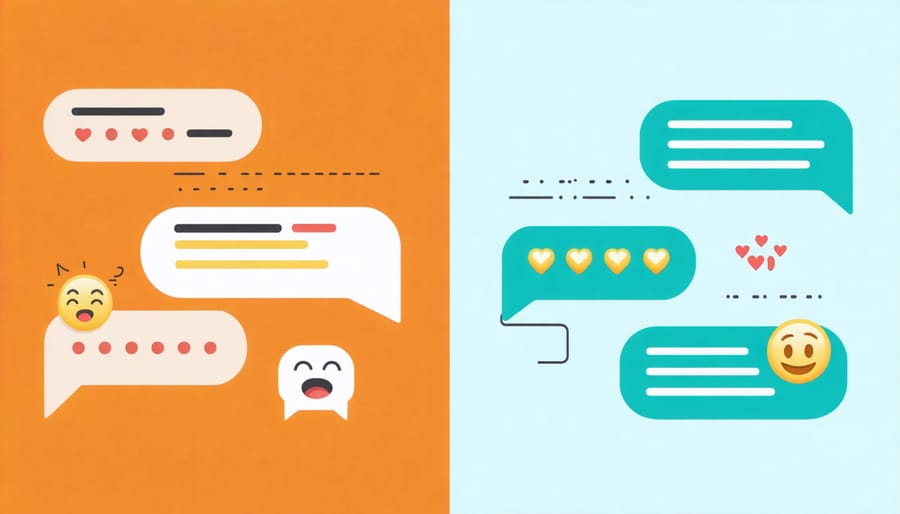
Z-languages have emerged as powerful tools for cultural expression and identity formation in our increasingly interconnected world. Writers who work with z-languages often find themselves at the crossroads of traditional storytelling and modern communication, creating content that resonates with diverse audiences while preserving unique cultural perspectives.
In professional writing, z-languages offer fascinating opportunities to bridge cultural gaps and create more inclusive narratives. Many successful freelancers have found their niche by specializing in z-language content creation, helping businesses and organizations reach multicultural audiences effectively.
The impact of z-languages extends beyond mere communication. They serve as cultural anchors for communities, helping maintain connections to heritage while adapting to contemporary contexts. For writers, understanding z-languages can open doors to specialized markets and unique storytelling opportunities.
This cultural significance has led to growing demand for writers who can navigate z-language content with sensitivity and authenticity. From translation projects to multicultural marketing campaigns, z-languages continue to shape how we express identity and share stories in the digital age.
Z-Languages in Contemporary Literature

Literary Examples
Z-languages have inspired numerous compelling works in modern literature, offering writers unique opportunities to explore cultural identity and communication. In Junot Díaz’s “The Brief Wondrous Life of Oscar Wao,” Spanglish serves as a powerful z-language that enriches the narrative and authentically represents Dominican-American experiences. This creative use of language has influenced many contemporary writing techniques, especially in multicultural storytelling.
Canadian author Kim Thúy’s “Ru” masterfully weaves Vietnamese and French into her English narrative, creating a distinctive z-language pattern that mirrors the immigrant experience. The book’s success demonstrates how z-languages can enhance storytelling while maintaining reader engagement.
Gloria Anzaldúa’s “Borderlands/La Frontera” stands as a groundbreaking example of z-language literature, blending English and Spanish to create a unique literary voice. Her work has inspired countless writers to embrace their linguistic heritage in their creative expressions.
More recent works, such as Ocean Vuong’s “On Earth We’re Briefly Gorgeous,” continue this tradition, incorporating Vietnamese phrases that add depth and authenticity to the narrative. These examples show how z-languages can create powerful connections with readers while opening new possibilities for storytelling in our increasingly interconnected world.
Writing Opportunities
The market for z-language content is experiencing significant growth, creating exciting opportunities for Canadian writers. Many publications, especially those serving multicultural communities, actively seek writers who can authentically incorporate z-languages into their work. Digital platforms and lifestyle magazines are particularly interested in content that reflects the diverse linguistic landscape of modern Canada.
Freelance writers proficient in weaving z-languages into their narratives can find work in various sectors. Corporate clients often need blog posts and marketing materials that resonate with multilingual audiences. Educational publishers seek writers who can create engaging content that includes z-language elements for language learning resources and multicultural educational materials.
Success story: Toronto-based writer Sarah Chen increased her client base by 40% after specializing in z-language content for lifestyle magazines. She notes that her ability to naturally incorporate these linguistic elements into her writing has become her unique selling point.
Content creation opportunities include:
– Cultural feature articles
– Digital marketing content
– Educational resource writing
– Social media management
– Translation and localization projects
– Brand storytelling
– Community outreach materials
The demand extends beyond traditional publishing, with social media platforms and digital marketing agencies specifically requesting content that incorporates z-languages to reach diverse audiences. Writers who can skillfully blend these linguistic elements into their work while maintaining clarity and authenticity are finding themselves in an increasingly advantageous position in the Canadian freelance market.
Identity Formation Through Z-Languages
Community Building
Z-languages serve as powerful bridges in multicultural communities, creating bonds that transcend traditional language barriers. Writers who understand these linguistic phenomena often find themselves uniquely positioned to tell compelling stories that resonate across different cultural groups.
In many Canadian communities, z-languages emerge organically when different cultural groups interact regularly, particularly in diverse urban centers like Toronto and Vancouver. These hybrid communication forms help create inclusive spaces where people feel comfortable expressing themselves without the pressure of perfect fluency in any single language.
For freelance writers, understanding how z-languages function in community building opens up exciting opportunities to craft authentic content for multicultural audiences. Whether it’s writing for community newspapers, cultural organizations, or local businesses, the ability to navigate and incorporate z-language elements can make your work more relatable and engaging.
Success stories from writers who embrace z-languages in their work often highlight increased engagement from readers and stronger connections with their target communities. For example, writers who incorporate Spanglish elements in their content for Latino-Canadian communities often report higher reader engagement and stronger emotional responses to their work.
The beauty of z-languages lies in their ability to create shared experiences and inside jokes that become part of a community’s identity. They represent the natural evolution of language in our increasingly connected world, where rigid linguistic boundaries are giving way to more fluid forms of expression.
As cultural bridges, z-languages help preserve heritage while fostering new connections, making them invaluable tools for writers seeking to create content that truly speaks to diverse audiences.

Professional Impact
Z-languages have become increasingly valuable in today’s globalized workplace, offering unique opportunities for writers who can navigate multiple linguistic spaces. As companies embrace diverse workplace communication, professionals who understand and can work with z-languages find themselves in high demand.
Many Canadian writers have found success by specializing in z-language content creation, particularly in multicultural marketing campaigns and cross-cultural business communications. For example, Sarah Chen, a Toronto-based freelancer, built her entire career around helping businesses connect with diaspora communities through z-language storytelling.
The rise of remote work has expanded opportunities for z-language writers. Companies now regularly seek professionals who can create content that resonates with multiple cultural audiences while maintaining authenticity. This skill set is particularly valuable in industries like technology, healthcare, and education, where clear communication across cultural boundaries is essential.
For freelance writers, proficiency in z-languages can lead to higher-paying projects and long-term client relationships. Many writers report that their ability to work with z-languages has doubled or even tripled their typical project rates. Companies are willing to invest in writers who can effectively bridge cultural and linguistic gaps in their communications.
The most successful z-language writers often combine their linguistic skills with cultural consulting, offering clients insights into navigating multicultural markets. This expanded service offering not only increases their value to clients but also helps build a more sustainable freelance business. Whether you’re just starting your writing career or looking to expand your existing services, developing expertise in z-languages could be a game-changing career move.
Z-languages represent more than just linguistic curiosities – they embody the evolving nature of human communication in our increasingly connected world. As freelance writers, understanding and incorporating z-languages into our work opens doors to authentic storytelling and deeper connections with diverse audiences.
The growing prominence of z-languages in multicultural narratives reflects a shift towards more inclusive and representative content creation. Writers who embrace these linguistic patterns find themselves better equipped to capture the nuanced voices of different communities, leading to more engaging and relatable content.
Looking ahead, z-languages will likely play an even more significant role in shaping how we communicate across cultural boundaries. For freelance writers, this presents exciting opportunities to specialize in multicultural content creation, whether through blog posts, marketing materials, or creative writing projects.
Success stories from writers who have incorporated z-languages into their work demonstrate the practical value of this knowledge. Many have secured specialized writing projects, particularly in markets where authentic multicultural voices are in high demand.
As our global community continues to embrace diversity, z-languages will remain essential tools for creating meaningful connections through writing. By staying attuned to these linguistic developments, writers can position themselves as valuable contributors to the evolving landscape of multicultural communication.
The future of z-languages in professional writing is bright, offering endless possibilities for creative expression and cultural exchange. For writers willing to explore and adapt, z-languages provide a pathway to more inclusive, engaging, and successful content creation.