

Step into the fascinating world where physical objects transform into dynamic digital experiences. QR augmented reality (AR) technology merges the simplicity of QR codes with the immersive power of augmented reality, creating interactive bridges between our physical and digital environments. By pointing your smartphone at a specially designed QR code, you can unlock 3D models, animations, and interactive content that appears to exist in the real world through your device’s screen.
Unlike traditional QR codes that simply redirect to websites, QR-AR markers contain complex spatial data that helps position and anchor virtual content precisely in physical space. This technology uses advanced computer vision algorithms to recognize patterns, calculate viewing angles, and seamlessly overlay digital elements onto the real-world environment in real-time.
For businesses and creators, QR-AR opens up exciting possibilities for engaging customers, enhancing product packaging, and delivering interactive marketing campaigns that blur the lines between physical and digital experiences. As smartphones become more powerful and AR technology evolves, QR-AR is positioned to revolutionize how we interact with the world around us.
The Magic Behind QR-Based Augmented Reality
QR Markers as Digital Gateways
QR codes act as digital doorways in augmented reality experiences, serving as recognizable markers that trigger virtual content. When you point your smartphone camera at these special QR codes, they work like digital anchors, telling your device exactly where to display the AR content in the real world.
Think of QR markers as coordinates on a map. They help your device understand its position in relation to the physical space, ensuring that virtual elements appear in the right place and stay anchored even as you move around. The AR software uses the unique patterns within the QR code to calculate the correct angle, position, and scale for displaying 3D models, animations, or interactive content.
What makes QR-based AR particularly useful is its simplicity and accessibility. Unlike complex AR systems that require special hardware, QR markers work with standard smartphones and are easy to print on any surface. Businesses can create engaging experiences by placing these codes on product packaging, posters, or business cards, instantly transforming ordinary items into interactive touchpoints that bring their brand stories to life.

The AR Recognition Process
When your device scans a QR code linked to AR content, it kicks off a fascinating process that happens in mere seconds. Your smartphone’s camera first captures the QR code’s unique pattern of black and white squares. This pattern acts like a digital fingerprint, containing coded instructions that tell your device where to find the AR content online.
Once the QR code is scanned, your device decodes these instructions and connects to a server that hosts the AR content. This server sends back the 3D models, animations, or interactive elements that make up the augmented reality experience. Your device then uses its sensors – including the camera, gyroscope, and accelerometer – to understand where and how to place these virtual elements in your real-world view.
The AR software on your device continuously tracks your movement and adjusts the virtual content accordingly, making sure it stays properly aligned with your surroundings. This creates that seamless blend between the real and digital worlds that makes AR experiences so engaging. The whole process happens so quickly that you barely notice the technical magic happening behind the scenes.
Implementing QR-AR in Marketing Campaigns
Creating Interactive Product Packaging
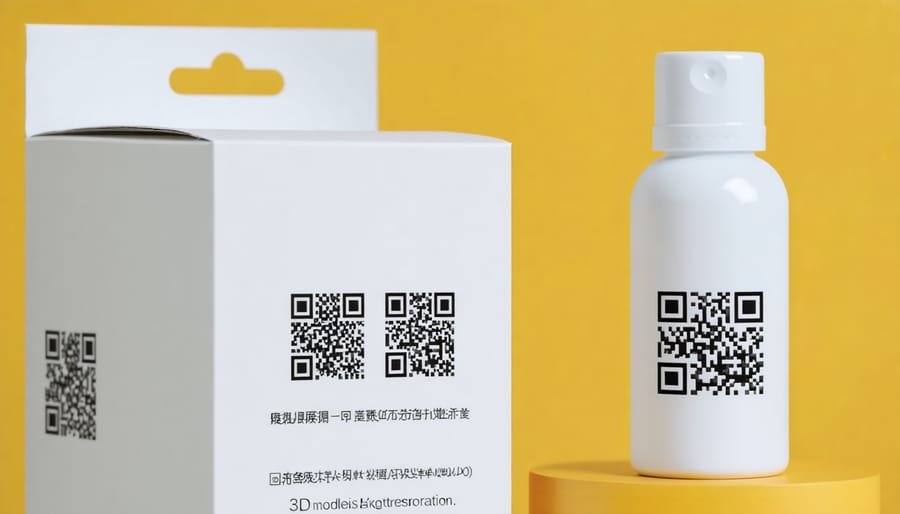
Interactive product packaging using QR-AR technology has revolutionized how brands connect with their customers. By simply scanning a QR code on the package, consumers can unlock engaging augmented reality experiences that bring products to life right before their eyes.
Many successful brands are already using this approach creatively. For example, wine companies create virtual wine-tasting experiences where customers can learn about grape varieties and food pairings through 3D animations. Toy manufacturers use QR-AR to show kids how to build and play with their products through interactive tutorials that appear to float above the box.
The implementation process is straightforward: designers create AR content and link it to a unique QR code that’s printed on the packaging. When scanned, this code triggers the AR experience through the customer’s smartphone camera. The key is ensuring the content adds real value – whether it’s through product demonstrations, assembly instructions, or entertaining stories about the brand.
To make the most of QR-AR packaging, businesses should focus on:
– Creating clear calls-to-action that encourage scanning
– Designing intuitive AR experiences that work smoothly
– Including helpful information that enhances product use
– Updating content regularly to keep customers coming back
This technology not only makes packaging more engaging but also provides valuable data about customer interaction, helping brands refine their marketing strategies and improve product experiences.
Digital Marketing Integration
QR-AR technology seamlessly integrates into your existing digital marketing efforts, creating engaging experiences that bridge the physical and digital worlds. Start by incorporating QR codes with AR elements into your print materials like business cards, brochures, and product packaging. These interactive touchpoints transform traditional marketing materials into dynamic content hubs.
Social media campaigns benefit greatly from QR-AR integration. Create Instagram filters or Snapchat lenses that activate through QR codes, encouraging user-generated content and viral sharing. For retail businesses, place QR codes on store windows or product displays that reveal AR product demonstrations or special offers when scanned.
Email marketing campaigns can feature QR codes linking to AR experiences, improving engagement rates and providing measurable results through tracking metrics. Consider including QR-AR elements in trade show materials, allowing attendees to access interactive product demonstrations or company information instantly.
For content marketing, QR-AR enhances blog posts and articles with interactive elements like 3D models or animated infographics. This technology also works well for loyalty programs – customers can scan codes to unlock AR rewards or exclusive content, driving repeat engagement.
Remember to maintain consistent branding across your AR experiences and ensure they provide genuine value to your audience. Track metrics like scan rates, engagement time, and conversion rates to optimize your QR-AR marketing strategy over time. Start small with one or two initiatives, then expand based on performance data and customer feedback.
SEO Benefits of QR-AR Marketing
Enhanced User Engagement Metrics
QR-based augmented reality significantly boosts user engagement metrics compared to traditional QR codes or standard marketing materials. Studies show that users typically spend 2-3 times longer interacting with AR experiences triggered by QR codes, with average session durations extending from 30 seconds to nearly 2 minutes.
The interactive nature of QR-AR experiences naturally encourages deeper engagement. Users don’t just scan and view; they explore, interact, and often share their experiences. Analytics from recent marketing campaigns reveal that QR-AR experiences achieve engagement rates of up to 40% higher than traditional digital advertising methods.
Brands implementing QR-AR solutions report impressive statistics: click-through rates increase by an average of 33%, and conversion rates often improve by 25% or more. The technology also drives social sharing, with users being 4 times more likely to share their AR experiences on social media compared to standard promotional content.
Particularly noteworthy is the impact on return visits. Businesses using QR-AR report that 45% of users return for second or third interactions with the same AR experience, creating valuable opportunities for repeated brand exposure. These enhanced engagement metrics translate directly into stronger brand recall and higher customer satisfaction scores, making QR-AR a powerful tool for modern marketing strategies.
Local SEO Advantages
QR augmented reality offers powerful advantages for businesses looking to enhance their local presence and attract nearby customers. By implementing local search visibility strategies through QR-AR experiences, businesses can create location-specific content that resonates with their community.
When customers scan QR codes in your neighborhood, they can instantly access relevant local information, special offers, and interactive experiences tailored to their location. This geographical targeting helps businesses appear more prominently in local search results and mapping applications, driving foot traffic to physical locations.
The technology also enables businesses to collect valuable data about customer behavior and preferences within specific locations. This insight helps optimize marketing efforts and improve customer engagement at the local level. For instance, restaurants can showcase their menu items in 3D, while retail stores can display product availability at nearby locations.
Moreover, QR-AR implementations can boost your business’s visibility during local events, festivals, and community gatherings. By placing interactive QR codes strategically throughout your area, you create engaging touchpoints that connect digital content with physical locations, making your brand more memorable and accessible to local customers.
Measuring QR-AR Campaign Success
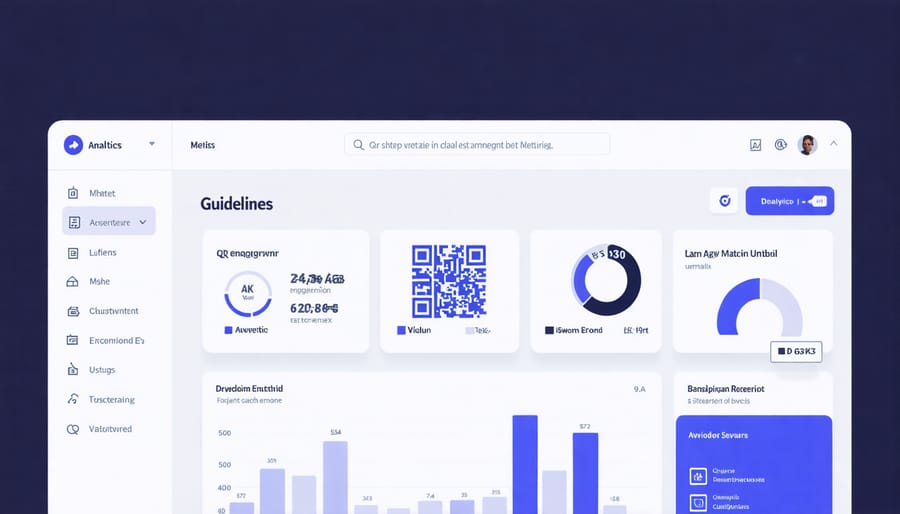
Measuring the success of your QR-AR campaigns requires a thoughtful combination of traditional marketing metrics and digital analytics. Start by establishing clear goals and customer engagement metrics before launching your campaign.
Key performance indicators (KPIs) to monitor include scan rates, which show how many people interact with your QR codes, and engagement time, revealing how long users spend with AR content. Watch for sharing rates and social media mentions to gauge viral potential. Conversion tracking helps measure direct sales impact, while user feedback provides valuable qualitative insights.
Smart marketers focus on tracking campaign effectiveness through multiple touchpoints. Monitor bounce rates to ensure users stay engaged after scanning, and track repeat interactions to measure campaign stickiness. Geographic data helps optimize future placement of QR codes, while demographic information shapes future content creation.
Consider implementing A/B testing with different AR experiences or QR code placements to identify what resonates best with your audience. Remember to track costs per scan and return on investment (ROI) to justify your AR marketing budget. Regular analysis of these metrics helps refine your approach and deliver more engaging experiences that drive real business results.
QR-based augmented reality is revolutionizing how brands connect with their audiences, offering an exciting bridge between physical and digital experiences. As we’ve explored, this technology combines the accessibility of QR codes with the engaging power of AR to create interactive marketing campaigns that drive results. The simplicity of implementation, cost-effectiveness, and measurable outcomes make QR-AR an attractive option for businesses of all sizes.
Looking ahead, we can expect to see even more innovative applications as the technology evolves. From enhanced retail experiences to interactive product packaging, QR-AR is set to become a standard tool in the modern marketer’s toolkit. With increasing smartphone capabilities and growing consumer comfort with AR experiences, the potential for creative and impactful campaigns is boundless. Smart marketers who embrace this technology now will be well-positioned to capture audience attention and drive engagement in increasingly competitive markets.