

Media ethics demands more than just following rules—it requires developing a moral compass that guides every storytelling decision we make. As freelance writers navigating the complexities of cross-platform storytelling, we face ethical dilemmas daily that can make or break our professional reputation.
Consider the journalist who discovered a compelling story about local corruption but realized publishing it might harm innocent family members. Or the content creator who must balance advertiser demands with audience trust. These real-world scenarios demonstrate why ethical decision-making isn’t just about right versus wrong—it’s about finding the best possible solution when every choice carries consequences.
The good news? You already possess the tools for ethical reasoning. Your experience, instincts, and professional standards form the foundation. What you need now is a framework to apply these tools consistently and confidently across different media contexts.
This guide walks you through practical approaches to ethical decision-making, drawing from successful Canadian freelancers who’ve maintained their integrity while building thriving careers. We’ll explore proven strategies that help you navigate complex moral territories without compromising your professional values or storytelling impact.
By mastering media ethics, you’re not just protecting yourself from potential pitfalls—you’re investing in your long-term success as a trusted voice in Canadian media.
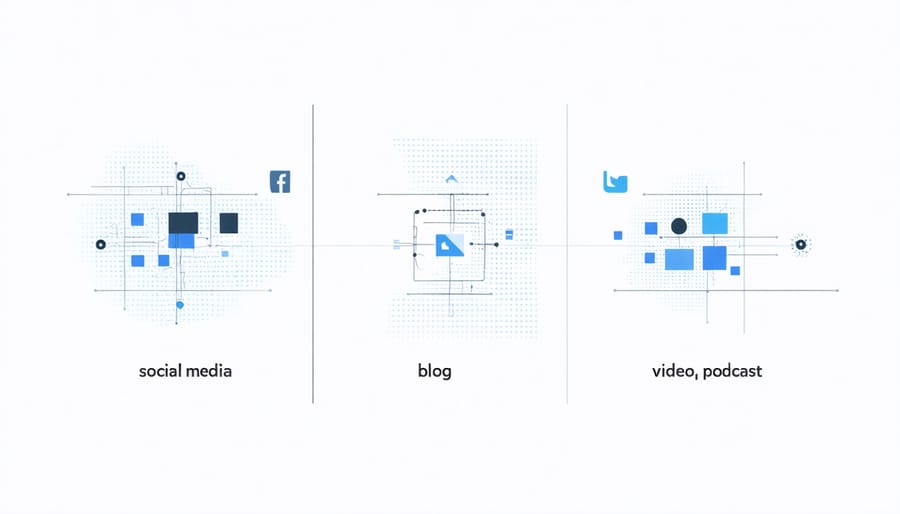
Real-World Media Ethics Challenges in Cross-Platform Content
Privacy and Consent Across Platforms
As content creators navigate digital narratives across platforms, understanding privacy and consent becomes crucial for ethical storytelling. When sharing stories on multiple platforms, it’s essential to consider how different media formats may impact the subjects of your content.
Start by obtaining clear, written consent that specifically outlines where and how the content will be shared. Remember that permission for print doesn’t automatically extend to social media or video platforms. Create a comprehensive consent form that covers all potential uses of the content, including future repurposing.
Consider platform-specific privacy implications. A story shared in a local newspaper might have limited reach, but when posted online, it becomes globally accessible and potentially permanent. Always inform your subjects about this broader exposure and potential consequences.
Here’s a practical tip: develop a simple checklist for cross-platform sharing that includes:
– Reviewing platform-specific privacy policies
– Confirming consent covers all intended uses
– Considering the impact of different formatting on privacy
– Establishing clear boundaries for content sharing
– Setting up a system for consent withdrawal
Remember to respect cultural sensitivities and personal boundaries. What works for one platform might not be appropriate for another. Stay flexible and ready to adapt your content sharing approach based on feedback from your subjects and audience expectations.
Source Attribution in Cross-Media Stories
In today’s digital landscape, adapting stories across different media platforms requires careful attention to source attribution. As you develop your content adaptation strategies, maintaining ethical standards through proper attribution becomes crucial for your professional credibility.
Start by clearly identifying original sources in all adaptations of your work. When transforming a written article into a podcast script or social media post, include verbal or written credits that acknowledge the original piece. This practice not only upholds ethical standards but also builds trust with your audience and potential clients.
Create a consistent attribution system that works across platforms. For social media, use platform-specific conventions like “@mentions” or hashtags to credit sources. In podcasts, verbally acknowledge sources during the introduction or closing remarks. For visual content, incorporate credits through watermarks or end cards.
Remember to obtain necessary permissions before adapting content across platforms. Keep detailed records of these permissions and maintain transparent communication with original creators. This approach helps protect your reputation and prevents potential legal issues.
When in doubt, over-attribute rather than under-attribute. Your fellow content creators will appreciate the recognition, and clients will value your professional integrity. This practice often leads to stronger professional relationships and more opportunities for collaboration.
Practical Moral Reasoning Framework for Writers
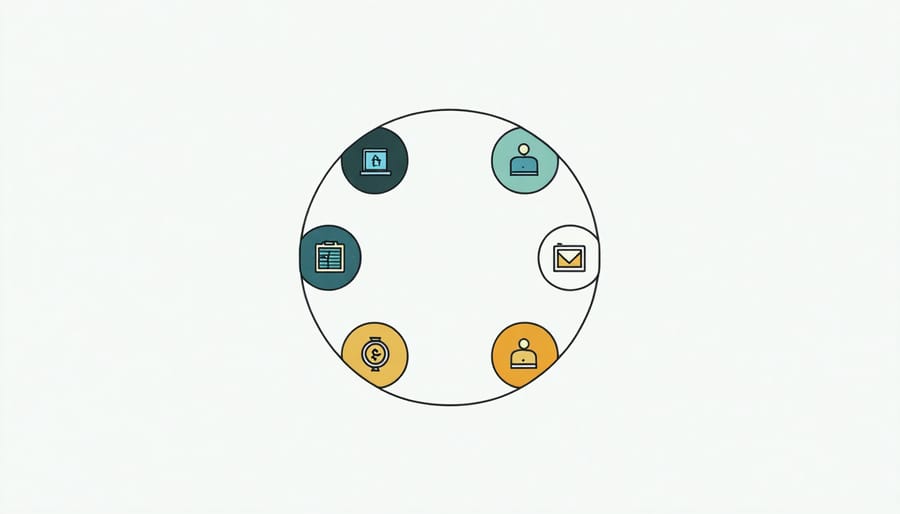
The Four-Step Ethics Test
When faced with ethical dilemmas in your content creation journey, having a structured approach can make decision-making clearer and more consistent. The Four-Step Ethics Test is a practical tool that helps you navigate tricky situations while maintaining your professional integrity.
First, consider the Facts. Gather all relevant information about the situation, including potential consequences of your decisions. For example, if you’re writing about a sensitive topic, understand its impact on different communities and stakeholders.
Second, evaluate the Values at stake. What principles are you trying to uphold? Common values in content creation include truthfulness, fairness, respect for privacy, and social responsibility. Consider how your choices align with both your personal values and industry standards.
Third, identify the Principles that should guide your decision. These might include journalistic codes of conduct, platform guidelines, or universal ethical frameworks. Ask yourself: Would you be comfortable explaining your decision to your peers or having it published on the front page?
Finally, test your Decision. Consider alternative approaches and their potential outcomes. Would your choice stand up to public scrutiny? Does it serve the greater good while minimizing harm? Remember that ethical decisions often involve finding balance rather than perfect solutions.
By following these four steps – Facts, Values, Principles, and Decision – you’ll develop a more systematic approach to ethical challenges. This framework not only helps protect your reputation but also builds trust with your audience and clients, essential elements for long-term success in content creation.
Building Trust Through Ethical Storytelling
In today’s digital landscape, ethical storytelling isn’t just about following rules – it’s about creating lasting connections with your audience. As content creators, our reputation hinges on how we handle sensitive information and present stories authentically. The key to building audience trust lies in consistently demonstrating transparency and integrity in our work.
Success in ethical storytelling starts with fact-checking and verification. When you take the extra time to confirm sources and cross-reference information, readers notice and appreciate your commitment to accuracy. Share your research process when appropriate, and be upfront about any limitations or potential biases in your reporting.
Consider the real-world impact of your stories. Before publishing, ask yourself: Does this piece respect the privacy and dignity of all parties involved? Am I presenting multiple perspectives fairly? Have I considered the potential consequences of this story on the communities I’m writing about?
Admitting mistakes quickly and correcting them transparently goes a long way in maintaining credibility. When readers see that you take responsibility for errors and actively work to improve, they’re more likely to stick with you long-term. Remember, trust is earned gradually but can be lost instantly – make ethical storytelling your cornerstone for sustainable success in content creation.
As we’ve explored throughout this article, ethical storytelling across different media platforms isn’t just about following rules – it’s about building trust and creating meaningful connections with your audience. The key takeaway is that ethical decisions in media aren’t always black and white, but having a strong moral compass and decision-making framework can guide you through challenging situations.
Remember that your reputation as a content creator is one of your most valuable assets. By consistently applying ethical principles in your work, you’re not just doing what’s right – you’re building a sustainable career foundation. Many successful freelancers have found that maintaining high ethical standards has led to long-term client relationships and referrals.
As you navigate your content creation journey, keep these essential points in mind: always verify your sources, be transparent about sponsored content, respect copyright laws, and consider the impact of your stories on all stakeholders. When in doubt, take a step back and evaluate your decisions using the ethical frameworks we’ve discussed.
The future of media will continue to evolve, bringing new ethical challenges. However, by staying informed, maintaining open dialogue with colleagues, and prioritizing ethical considerations in your storytelling, you’ll be well-equipped to handle whatever comes your way. Your commitment to ethical practice isn’t just good for the industry – it’s good for your career.
Let’s continue raising the bar for ethical storytelling across all media platforms. Your choices matter, and they contribute to a more trustworthy and responsible media landscape.