

Transform your writing career by stepping into the lucrative world of global regulatory writing and consulting. As businesses navigate complex international regulations, skilled writers who can translate technical requirements into clear documentation are in unprecedented demand. From pharmaceutical documentation to financial compliance reports, regulatory writers consistently command premium rates while building sustainable, location-independent careers.
The surge in cross-border commerce and evolving regulatory frameworks has created a golden opportunity for Canadian writers to specialize in this high-growth niche. Whether you’re crafting standard operating procedures for manufacturing facilities or preparing submissions for government agencies, regulatory writing combines the creativity of professional writing with the precision of technical documentation.
Best of all, you don’t need a scientific background to get started. Your existing skills in research, clear communication, and attention to detail provide the foundation. With focused learning about industry standards and regulatory frameworks, you can position yourself as a valuable partner to businesses operating in today’s complex global marketplace.
The Rise of Global Regulatory Writing
What Is Regulatory Writing?
Regulatory writing is a specialized form of content creation that focuses on documenting and communicating complex regulatory requirements, compliance procedures, and scientific information for various industries. In the global context, it involves preparing documentation that meets international standards and regulatory frameworks across different regions and markets. This field encompasses writing clinical study reports, regulatory submissions, safety reports, and other technical documents that help organizations navigate regulatory compliance.
For freelance writers, regulatory writing offers exciting opportunities to combine scientific knowledge with professional writing skills. Writers in this field work closely with pharmaceutical companies, medical device manufacturers, healthcare organizations, and regulatory bodies to create clear, accurate, and compliant documentation. The role requires attention to detail, strong research capabilities, and the ability to translate complex information into accessible content while maintaining strict adherence to regulatory guidelines and formatting requirements.

Key Markets and Opportunities
The pharmaceutical and biotechnology industries remain the primary drivers of regulatory writing demand, with clinical trial documentation and drug approval submissions creating steady work opportunities. Healthcare technology companies also regularly seek regulatory writers for device certifications and compliance documentation. There are lucrative opportunities in B2B writing for those specializing in regulatory content for medical software and digital health platforms. Environmental consulting firms increasingly need writers familiar with sustainability reporting and ESG documentation. Financial services organizations routinely hire regulatory writers to handle policy documentation and compliance reports. Growing sectors include cannabis companies requiring licensing documentation and tech startups needing privacy policy writers. For Canadian writers, the combination of our strong life sciences sector and proximity to the U.S. market creates particularly promising prospects in regulatory writing.
Recent Regulatory Changes Affecting Writers
International Compliance Standards
In today’s interconnected global marketplace, understanding international compliance standards is crucial for regulatory writers. These standards ensure consistency and clarity across different regions while maintaining the highest levels of quality and accuracy. As more tech writing opportunities emerge, staying informed about these requirements becomes increasingly important.
Key global standards include ISO 9001 for quality management documentation, ICH guidelines for medical writing, and various regional requirements like EMA standards in Europe and FDA guidelines in North America. Writers should familiarize themselves with these frameworks while remaining adaptable to emerging standards.
Canadian writers have a unique advantage in this field, as they often work with both North American and European clients, requiring familiarity with multiple compliance frameworks. This versatility opens doors to diverse projects and clients worldwide.
To maintain compliance, writers should:
– Regularly update their knowledge of international standards
– Join professional associations that provide compliance updates
– Create detailed style guides aligned with global requirements
– Document their compliance processes
– Build a network of subject matter experts for consultation
Remember, while these standards might seem overwhelming at first, they actually provide a clear framework that helps deliver consistent, high-quality content that meets client expectations across borders.

Regional Variations
Regulatory writing requirements vary significantly across major global markets, creating both challenges and opportunities for freelance writers. In North America, the FDA sets strict guidelines for medical and technical documentation, emphasizing clarity and compliance with specific formatting requirements. Writers working in this market often need to master eCTD (electronic Common Technical Document) submissions and understand ICH guidelines.
The European Union presents a unique landscape with its multilingual requirements and harmonized approach across member states. The European Medicines Agency (EMA) oversees documentation standards, and writers must often prepare content that works across different languages while maintaining consistent messaging. Many EU projects require documentation in English plus translations into local languages, creating additional opportunities for writers with language skills.
The Asia-Pacific region offers growing opportunities but comes with distinct challenges. Japan’s PMDA and China’s NMPA have specific documentation requirements that often differ from Western standards. Cultural considerations play a crucial role, and successful writers in these markets often collaborate with local experts to ensure cultural appropriateness and regulatory compliance.
For freelance writers, understanding these regional variations opens doors to specialized writing opportunities. Many companies seek writers who can navigate multiple regulatory environments, making this expertise particularly valuable in today’s global market. Building knowledge in specific regional requirements can help writers position themselves as specialists and command higher rates.
Building Your Regulatory Writing Career
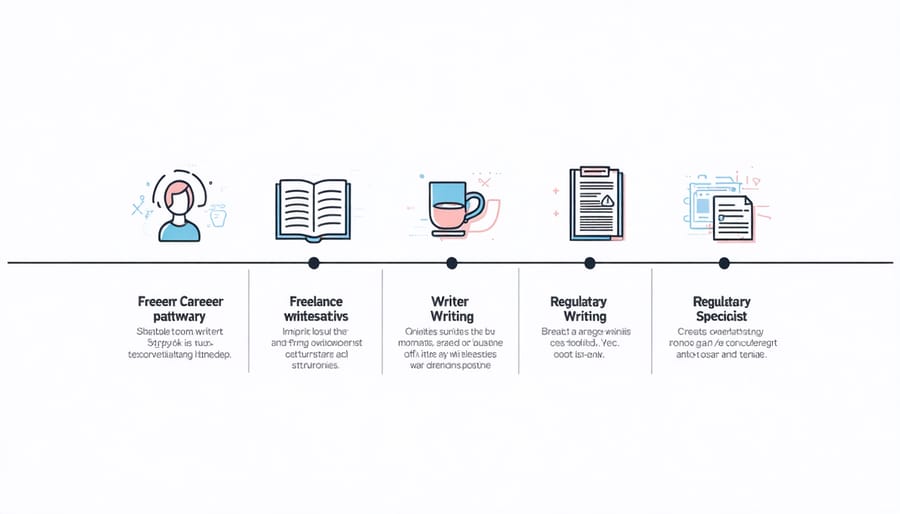
Essential Skills and Certifications
To excel in global regulatory writing and consulting, you’ll need a solid foundation of skills and credentials. A bachelor’s degree in English, Communications, Life Sciences, or a related field is typically required, with many successful professionals holding advanced degrees. Strong writing and editing abilities are essential, along with attention to detail and excellent project management skills.
Key certifications that can boost your credentials include the Regulatory Affairs Certification (RAC) from the Regulatory Affairs Professionals Society (RAPS) and medical writing certifications from the American Medical Writers Association (AMWA). These demonstrate your expertise and commitment to the field.
Essential skills include:
– Advanced research capabilities
– Understanding of regulatory guidelines and compliance requirements
– Knowledge of medical and scientific terminology
– Cross-cultural communication skills
– Project coordination and deadline management
– Quality control and documentation expertise
– Proficiency in standard industry software
Many successful regulatory writers start by gaining experience in technical writing or medical communication roles. Online courses and workshops can help you build specialized knowledge. Consider joining professional associations like RAPS or AMWA, which offer valuable networking opportunities and continuing education resources.
Remember that regulatory requirements constantly evolve, so commitment to ongoing learning is crucial. Many experienced writers recommend starting with smaller projects to build your portfolio while pursuing relevant certifications.
Finding Regulatory Writing Work
Securing regulatory writing work requires a strategic approach and awareness of where these opportunities exist. Start by building a strong LinkedIn profile that highlights your regulatory writing experience and relevant certifications. Many pharmaceutical companies, medical device manufacturers, and regulatory consulting firms actively recruit through this platform.
Industry-specific job boards like Regulatory Careers and BioPharma Careers frequently list regulatory writing positions. Consider joining professional associations such as the Regulatory Affairs Professionals Society (RAPS) or the Drug Information Association (DIA), which offer job boards and networking opportunities exclusively for regulatory professionals.
Freelance platforms like Upwork and Fiverr can be good starting points, but aim to establish direct relationships with clients who understand competitive rates for regulatory writing. Consider reaching out to smaller biotech companies and medical device startups, as they often need regulatory writing support but may not have full-time writers on staff.
Network actively at industry conferences and virtual events. Many successful regulatory writers find their best opportunities through referrals from colleagues. Create a professional website showcasing your regulatory writing portfolio, and consider specializing in specific areas like clinical study protocols or regulatory submissions to stand out in the market.
Remember to stay current with regulatory guidelines and industry standards through continuous learning and professional development opportunities. This expertise will make you more valuable to potential clients and help secure better projects.
Success Stories and Expert Tips
Meet Sarah Thompson, a Canadian regulatory writer who transformed her career from a corporate technical writer to a successful global regulatory consultant. “Starting was daunting,” she shares, “but I focused on pharmaceutical documentation first, then expanded to medical devices and healthcare compliance writing. Now I work with clients worldwide.”
Sarah’s success tip? “Build relationships with regulatory affairs professionals and join industry associations. The connections you make are invaluable.”
Another inspiring story comes from Michael Chen, who started as a freelance writer and now leads a team of regulatory writers serving clients across North America and Europe. His key to success was specializing in specific regulations and industries. “Don’t try to cover everything,” he advises. “Pick your niche and become an expert in it.”
Expert tips for aspiring regulatory writers:
– Start with one regulatory framework (like FDA or Health Canada guidelines) and master it
– Create a portfolio focusing on compliance documentation
– Join professional organizations like the Regulatory Affairs Professionals Society
– Take relevant certification courses
– Network with other regulatory professionals
– Stay updated with regulatory changes through official sources
– Develop strong project management skills
Remember, successful regulatory writers combine technical knowledge with clear communication skills. As veteran writer Lisa Martinez notes, “The ability to translate complex regulations into clear, actionable content is what clients value most.”
As you embark on your journey into regulatory writing and consulting, remember that this field offers abundant opportunities for Canadian writers willing to develop their expertise. Stay current with industry changes, build your portfolio with relevant samples, and continuously expand your knowledge of regulatory requirements. Network with other professionals in the field, join relevant associations, and consider pursuing certification to strengthen your credentials. The demand for skilled regulatory writers continues to grow globally, making this an excellent time to enter the field or expand your existing services. With dedication, continuous learning, and a professional approach, you can build a rewarding career helping organizations navigate complex regulatory landscapes while enjoying the flexibility of freelance work.