
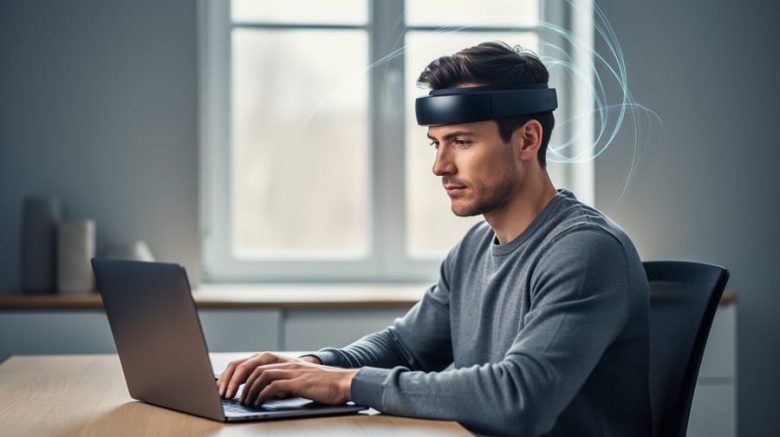
Your brain is your most valuable freelance asset, and emerging neurotechnology might soon help you use it more effectively. From wearable devices that monitor your focus levels to apps that optimize your writing sessions based on cognitive patterns, brain-based technologies are moving from research labs into practical tools that independent writers can actually use.
These technologies promise to address real challenges you face daily: maintaining concentration during long editing sessions, managing the mental fatigue that comes with juggling multiple clients, and optimizing your peak creative hours. Some freelancers are already experimenting with neurofeedback headbands that provide real-time alerts when attention wanders, while others use brain-training apps designed to enhance verbal fluency and creative thinking.
But here’s the honest truth: neurotechnology isn’t a magic solution that will transform your writing career overnight. The field is still developing, the science behind many consumer products remains debatable, and most successful freelancers achieve their goals through proven strategies rather than cutting-edge gadgets. What these technologies offer instead is an additional toolkit, potentially useful for writers who’ve already mastered the fundamentals and want to explore optimization at a deeper level.
This article examines what neurotechnology actually means for freelance writers, which applications show genuine promise versus marketing hype, and how to decide whether these tools deserve a place in your professional development budget. You’ll discover practical ways brain-based technologies intersect with writing work, realistic expectations about their benefits, and guidance for making informed decisions about adopting them into your freelance practice.
What Neurotechnology Actually Means for Writers
The Brain-Based Tools Making Waves
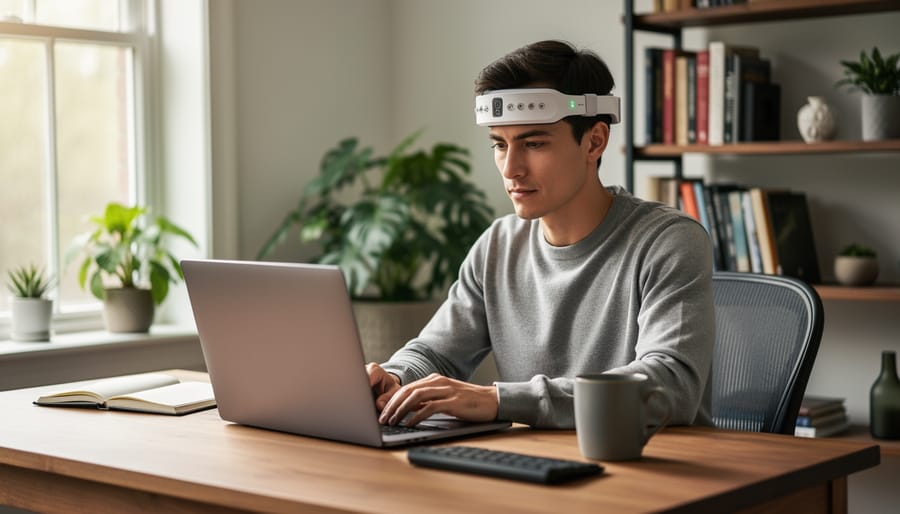
The world of brain-tracking technology has moved beyond research labs and into everyday life. You’ve probably seen sleek headbands and wearables advertised as tools to monitor your mental state—and they’re becoming increasingly popular among freelancers looking to optimize their workday.
These consumer neurotechnology devices use sensors to detect electrical activity in your brain, similar to how fitness trackers monitor your heart rate. Most headband-style devices measure EEG (electroencephalography) signals through small sensors that rest against your forehead or scalp. Don’t worry—it’s completely safe and non-invasive, like wearing headphones.
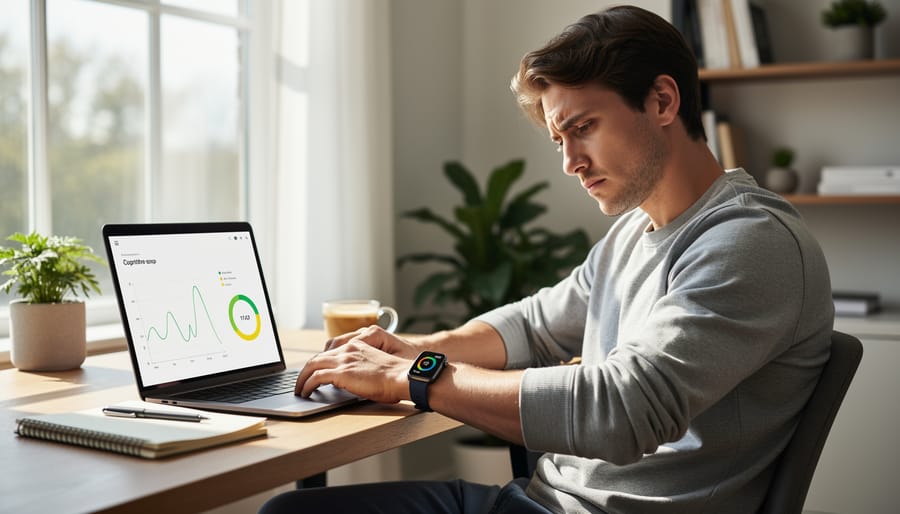
What makes these tools different from other productivity tools is what they track. They monitor brain wave patterns associated with focus, stress levels, relaxation, and mental fatigue. The accompanying apps translate this complex data into simple, visual feedback—usually colorful graphs, scores, or real-time indicators showing whether you’re in a focused state or getting distracted.
For example, some devices show a “focus score” that rises when you’re concentrating deeply on writing and dips when your attention wanders. Others provide stress measurements or meditation feedback, helping you understand when you need a break.
The presentation is intentionally user-friendly. You don’t need a neuroscience degree to understand the results. Most apps offer guided sessions, progress tracking over days and weeks, and personalized insights about your cognitive patterns. Think of them as fitness trackers for your brain—measuring the invisible mental work that freelance writers do every day.
Why Freelancers Are Paying Attention
As a freelancer, you’re likely no stranger to the unique challenges of working independently. Those afternoon focus slumps when you’re racing to meet a deadline, the stress of managing multiple client projects without a support team, or the constant pressure to maximize every billable hour—these struggles are all too familiar.
That’s exactly why neurotechnology is catching the attention of independent writers and creatives across Canada. Unlike traditional remote work tools that manage your schedule or organize files, neurotechnology addresses what’s happening inside your mind while you work. When you’re juggling client revisions, pitching new prospects, and trying to produce your best writing, maintaining peak mental performance becomes essential to your success.
Freelancers are exploring these technologies because they target specific pain points: sustaining concentration during marathon writing sessions, managing the isolation and stress that comes without office colleagues, identifying your personal productivity peaks, and ultimately getting more quality work done in less time. For writers working from home, the promise of better focus and reduced mental fatigue translates directly into meeting more deadlines, taking on additional projects, and improving your bottom line. The technology offers a data-driven approach to understanding your cognitive patterns—knowledge that can transform how you structure your workday.
Real Ways Neurotechnology Could Support Your Writing Practice
Tracking Your Peak Creative Hours
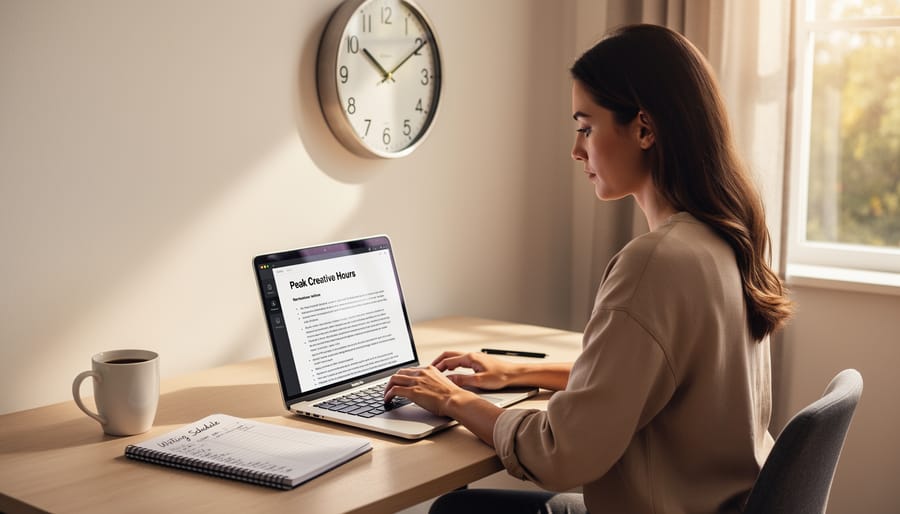
We all have those golden hours when words flow effortlessly and those sluggish periods when even simple emails feel like climbing a mountain. Brain monitoring technology is now helping freelancers pinpoint exactly when their creative peak occurs, taking the guesswork out of productivity planning.
These neurotechnology tools track your brain’s attention patterns throughout the day, revealing your personal cognitive rhythms. Imagine discovering that your best creative thinking consistently happens between 9-11 AM, while your focus naturally dips around 3 PM. Armed with this knowledge, you could reserve those morning hours for your most challenging article drafts and save routine tasks like invoicing or social media updates for the afternoon slump.
For writers juggling multiple deadlines, this insight becomes incredibly valuable. Sarah, a Montreal-based content writer, used brain monitoring data to restructure her workday. She discovered her peak creative window was actually late evening, contrary to her assumption that she should be a morning writer. By shifting her research-heavy projects to evenings and scheduling client calls during her mid-afternoon energy dip, she completed projects 30 percent faster.
The practical application is straightforward: track your brain activity patterns for a few weeks, identify your recurring peaks and valleys, then build your schedule around these natural rhythms rather than fighting against them. You’ll write better content while actually working fewer frustrating hours.
Managing Freelancer Burnout Before It Hits
You know that feeling when you’ve been staring at your screen for hours, and the words just stop coming? Most of us push through until we hit a wall. But emerging neurotechnology devices are changing this game by detecting early warning signs before exhaustion takes over.
Wearable headbands and smart devices can now monitor brain activity patterns associated with mental fatigue. These tools track metrics like attention levels, cognitive load, and stress markers in real-time. When your brain shows early signs of burnout—before you consciously feel it—the device alerts you to take a break. Think of it as having a wellness coach monitoring your mental energy throughout the day.
For freelance writers, this technology offers a practical solution to one of our biggest challenges: knowing when to step away. We often ignore our body’s subtle signals until we’re completely drained. Managing freelancer burnout becomes easier when you have objective data guiding your work rhythms.
Some Canadian writers are already experimenting with these devices to establish healthier work patterns. The technology helps them identify their peak productivity windows and schedule demanding tasks accordingly. More importantly, it validates the need for breaks—something many of us feel guilty about taking.
While these devices aren’t perfect and shouldn’t replace professional mental health support, they offer valuable insights into your cognitive wellness. By catching fatigue early, you can maintain better work-life balance and sustain your writing career long-term.
Improving Focus Without Medication
If you’re looking to sharpen your focus without medication, neurofeedback training offers an interesting alternative worth exploring. This approach uses real-time displays of brain activity to help you recognize and gradually shift your mental patterns toward better concentration. Through guided sessions, you learn to identify what focused attention feels like in your brain, making it easier to recreate that state when you sit down to write.
Many freelancers are also experimenting with wearable focus-enhancement tools that provide gentle cues when your attention drifts. These devices track brainwave patterns and offer feedback through your smartphone, helping you build awareness of your concentration habits over time.
The beauty of these non-pharmaceutical options is that they put you in the driver’s seat. You’re building skills rather than relying on external substances. While results vary from person to person, Canadian writers who’ve tried neurofeedback often report feeling more in control of their work sessions.
Start small if you’re curious. Some community health centres offer introductory neurofeedback sessions, and several apps provide basic brainwave tracking at minimal cost. Remember, these tools work best alongside good sleep habits and regular breaks.
The Challenges Worth Knowing About
Price Tags and Practicality
Let’s be honest: neurotechnology devices aren’t exactly budget-friendly right now. Consumer EEG headbands typically range from $200 to $800, while more advanced systems can cost several thousand dollars. For writers just starting their freelance journey, these price points might feel overwhelming, and that’s completely understandable.
Before investing, consider where you are in your career. If you’re building your client base and managing tight budgets, focus first on essentials like a reliable computer and quality writing tools. Neurotechnology is fascinating, but it’s not a requirement for successful freelancing.
However, if you’re an established writer experiencing persistent focus challenges or curious about optimizing your workflow, these devices might be worth exploring. Think of them as professional development investments, similar to taking courses or upgrading software. Start by researching thoroughly, reading user reviews from other writers, and checking return policies. Some companies offer trial periods, which reduces financial risk.
Remember, the best productivity tool is the one you’ll actually use consistently. Sometimes simple solutions like scheduled breaks, proper sleep, and workspace adjustments deliver better results than expensive technology. Make choices that align with both your budget and realistic usage expectations.
Privacy and Your Brain Data
As brain monitoring devices become more accessible, it’s natural to wonder about the privacy of your neural data. The good news is that being informed helps you make smart choices about which technologies to explore.
Current consumer neurotechnology devices collect limited information compared to medical-grade equipment. Most focus-tracking headbands, for example, measure general brain activity patterns rather than reading your specific thoughts or accessing personal memories. Think of it like a fitness tracker for your brain—it shows activity levels, not private conversations.
Before trying any brain-monitoring device, check the company’s privacy policy. Look for clear explanations about what data they collect, how long they keep it, and whether they share it with third parties. Reputable companies are transparent about these practices.
You’re in control of your participation. Start by researching devices with strong privacy protections and positive user reviews. Many Canadian freelancers find that understanding these tools empowers rather than intimidates them. The key is approaching neurotechnology as an informed user, just as you would with any new professional tool. When you know what to look for, you can confidently explore technologies that genuinely support your freelance writing journey while protecting your personal information.
Success Story: A Canadian Writer’s Experience
Meet Sarah Chen, a Toronto-based freelance writer who decided to explore neurotechnology after struggling with afternoon productivity slumps that were affecting her client deadlines. Like many of us working from home, Sarah found herself losing focus around 2 PM, often spending more time refilling her coffee cup than actually writing.
After researching her options, Sarah invested in a consumer-grade neurofeedback headset that promised to help with concentration. She approached it with healthy skepticism, viewing it as an experiment rather than a magic solution. For three months, she used the device during her most challenging writing sessions while keeping detailed notes about her experience.
The results were mixed but instructive. Sarah noticed that the real-time feedback helped her become more aware of when her mind was wandering, which was valuable in itself. She didn’t suddenly transform into a productivity machine, but she did develop better habits around taking breaks and recognizing her mental fatigue signals earlier.
What surprised Sarah most was how the technology prompted her to examine her entire work routine. She realized she was scheduling her most demanding research tasks during her lowest-energy periods. By combining the biofeedback insights with simple schedule adjustments and regular walks, she saw genuine improvements in her output quality.
Sarah’s takeaway? Neurotechnology can be a useful tool for self-awareness, but it works best when paired with practical changes to your work environment and habits. She continues using the device occasionally, mainly as a check-in tool rather than a daily necessity. Her advice to fellow freelancers considering similar technology is simple: start with realistic expectations, track your progress objectively, and remember that good writing still requires dedication, practice, and sometimes just pushing through the difficult parts.
Should You Try Neurotechnology in Your Freelance Business?
Before diving into neurotechnology, take a moment to assess whether it fits your unique situation. Ask yourself: Am I genuinely curious about this technology, or do I feel pressured to adopt it? What specific challenges am I trying to solve in my writing practice? Do I have the budget to experiment with these tools?
If you’re intrigued, start small. Many neurotechnology companies offer free trials or affordable entry-level devices. Test one tool for a month and track your results honestly. Does it actually improve your focus, or does it just feel novel? Keep a simple journal noting your productivity levels, word counts, and how you feel during writing sessions.
Remember that traditional productivity methods remain powerful and proven. Time-blocking, the Pomodoro Technique, regular breaks, proper sleep, and good workspace ergonomics cost nothing and work remarkably well for countless successful freelancers. Sometimes a simple walk outside or a cup of tea does more for your creativity than any gadget.
Neurotechnology is just one option in your productivity toolkit, not a magic solution or necessary investment for success. Many thriving Canadian writers have built impressive careers without ever touching these devices. Your talent, persistence, and commitment to craft matter far more than any technology.
If budget is tight, focus your resources on proven essentials: reliable internet, comfortable workspace setup, and perhaps writing software subscriptions. Neurotechnology can wait until you’re financially comfortable experimenting with emerging tools.
As you navigate the ever-evolving landscape of freelance writing, neurotechnology offers intriguing possibilities for enhancing your focus, productivity, and creative flow. But here’s the truth that matters most: these emerging tools are simply that—tools. Your success as a freelance writer will always rest on the foundation of your writing skills, professionalism, and ability to connect with clients and readers.
The beauty of freelancing lies in its inherent flexibility. You get to choose which technologies serve your unique workflow and which ones don’t fit your needs. Whether you experiment with brain-training apps, meditation technology, or stick with tried-and-true methods like regular breaks and good sleep habits, the decision is yours. This autonomy extends to self-optimization—you’re the expert on what helps you do your best work.
Stay curious about emerging tools, but remember that career growth comes from consistent effort, building relationships, and continuously refining your craft. The writers who thrive aren’t necessarily those with the most gadgets, but those who show up, deliver quality work, and adapt thoughtfully to change.
Your brain is already your greatest asset. Any technology you choose should simply help you access its full potential. Keep learning, stay open to possibilities, and trust in the skills that brought you to freelancing in the first place. The future of your writing career is bright, with or without the latest neurotechnology.