

Suspense keeps readers turning pages at midnight, unable to stop until they know what happens next. Tension makes their hearts race as your characters face impossible choices. Both elements transform ordinary stories into memorable experiences that clients remember and recommend.
Master these powerful tools by understanding their distinct roles. Suspense creates anticipation about future events—will the protagonist escape, discover the truth, or lose everything? Tension exists in the present moment, building through conflict, danger, or emotional pressure that threatens what your characters value most.
Recognize that suspense asks “what will happen?” while tension demonstrates “what is happening right now.” When you delay information readers desperately want, you create suspense. When you place characters in situations where every choice carries weight and consequences, you generate tension.
Freelance writers who command these techniques secure better-paying assignments across genres—from marketing copy that compels action to corporate narratives that engage stakeholders. Publishers and content managers seek writers who understand how anticipation and pressure drive reader engagement, making these skills essential for building a thriving writing career.
The distinction matters because combining both elements creates stories readers cannot abandon, giving your freelance portfolio the competitive edge that transforms occasional gigs into steady, well-compensated work.
What Suspense and Tension Actually Mean (Without the Literary Theory)

Suspense: Making Readers Ask ‘What Happens Next?’
Suspense is what keeps readers turning pages late into the night. It’s that delicious uncertainty about what happens next, the anticipation that builds when your audience doesn’t know how things will unfold. Think of it as the driving question in your reader’s mind: Will she make it out alive? Will he get the job? Will they finally confess their feelings?
In a thriller, suspense might be a protagonist racing against time to defuse a bomb. In romance, it’s whether two characters will finally admit their attraction. Even in a personal essay about your freelancing journey, suspense appears when you share the moment before learning if you landed your first major client.
The beauty of suspense lies in withholding information strategically. You’re not hiding everything from readers, you’re sharing enough to make them care deeply about the outcome while keeping them guessing about how you’ll resolve the situation. When done well, suspense creates an emotional investment that transforms casual readers into engaged fans of your work. This skill is particularly valuable for freelance writers because it applies across genres, from blog posts and marketing copy to fiction and feature articles.
Tension: The Pressure That Keeps Building
Tension is the emotional pressure that builds when your characters face meaningful conflict. Think of it as the rubber band stretching tighter and tighter throughout your story. While suspense asks “what happens next?”, tension focuses on the emotional weight of what’s at stake right now.
Here’s what makes tension different: it lives in the present moment of your story. When two characters argue over a life-changing decision, when your protagonist must choose between loyalty and survival, or when internal doubts threaten to derail their mission—that’s tension at work. You’re making readers feel the squeeze alongside your characters.
The beauty of tension is that it doesn’t require dramatic plot twists. A quiet conversation between estranged siblings can carry incredible tension if the emotional stakes matter. What does each character stand to lose? What competing desires pull them in different directions? These questions create the pressure readers can’t ignore.
Many successful freelance writers credit their breakthrough moments to mastering this skill. Once you understand how to layer conflict, raise stakes, and make readers genuinely care about outcomes, your storytelling becomes more compelling. Remember, readers stay invested when they feel something—and tension is your tool for creating that emotional connection.
Why Freelance Writers Need to Master These Tools
Mastering suspense and tension isn’t just for novelists anymore. These skills have become essential tools for freelance writers across every content type, and here’s why: they transform ordinary writing into compelling content that keeps readers engaged from start to finish.
Think about it. Whether you’re crafting a blog post about cybersecurity threats, writing email copy for a product launch, or developing content for a documentary script, you need readers who stay until the end. Suspense and tension are the psychological techniques that make that happen.
For Canadian freelance writers, these skills directly impact your earning potential. Clients across industries are desperate for writers who can hold attention in our distracted digital world. When you can build tension in a white paper about financial planning or create suspense in a case study, you become significantly more valuable than writers who simply convey information.
Consider freelance writer Maria Chen from Toronto, who doubled her rates after incorporating tension-building techniques into her corporate storytelling. Her client retention improved because companies saw measurable increases in reader engagement and conversion rates.
These techniques apply everywhere. Fiction writers use them to hook literary agents. Content marketers employ them to boost click-through rates. Scriptwriters rely on them to sell pilots. Technical writers use them to make complex topics accessible and interesting. Even grant writers benefit by creating compelling narratives that keep reviewers engaged.
The beauty of mastering suspense and tension is their versatility. Once you understand how to create anticipation, pose questions, and control information flow, you can adapt these skills to any project. This flexibility makes you a go-to writer for diverse clients, opening doors to higher-paying opportunities and long-term contracts.
The Core Elements That Create Suspense and Tension
Stakes: Give Readers Something to Worry About
Stakes answer the crucial question your readers are silently asking: “Why should I care?” When you establish what your characters stand to lose or gain, you transform passive readers into invested participants. Think beyond life-and-death scenarios. Stakes work at every level, from a freelancer potentially losing their biggest client to a protagonist risking an important friendship.
For marketing content, the stakes might be your client’s business reputation or market share. In blog posts, you’re helping readers avoid costly mistakes or miss valuable opportunities. Memoir writers reveal what personal transformations hung in the balance during pivotal moments.
Strong stakes require authentic character development. Your readers need to understand what matters to your characters before they’ll worry about them losing it. A successful freelance writer once shared how adding specific stakes to her case studies—showing clients what they’d lose by ignoring the problem—doubled her conversion rates.
Remember, stakes escalate tension naturally. Start with something meaningful, then raise the potential cost as your story or article progresses. When readers genuinely worry about outcomes, you’ve mastered this essential element of suspense.
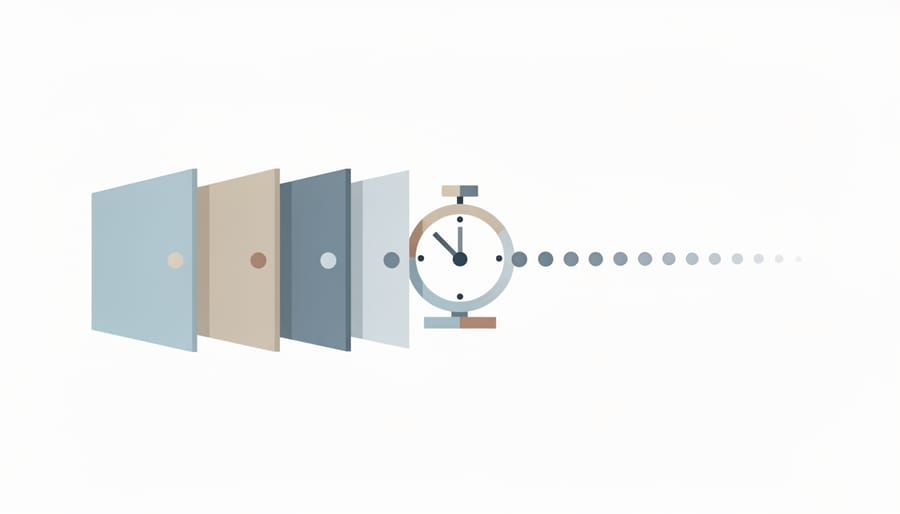
Timing: When to Reveal (and When to Hold Back)
Mastering timing separates good storytelling from great storytelling. The key is understanding that suspense thrives on strategic withholding. Think of it as a dance between revelation and restraint.
Start by identifying what your reader needs to know versus what they want to know. Give them enough information to stay engaged, but hold back the juicy details that will keep them turning pages. This balance directly impacts your narrative structure and determines whether readers stick with your story.
Consider pacing like a heartbeat. Moments of revelation should feel earned. If you reveal too much too soon, you deflate tension. If you wait too long, readers lose interest. A successful freelance writer named Sarah shared that her breakthrough came when she learned to “tease the answer” in her feature articles, revealing information in layers rather than all at once.
Practice delayed gratification by asking: What happens if I move this reveal three paragraphs later? Often, that simple shift creates magnetic pull. Your goal is making readers feel they’re on the verge of discovery, always one step away from the full picture.
Conflict: The Engine That Drives Everything Forward
Conflict is the heartbeat of compelling writing. Whether you’re crafting fiction, personal essays, or marketing copy, understanding how conflict generates tension will transform your work from forgettable to unforgettable.
External conflict involves your character facing obstacles in the world around them: a tight deadline, a disagreeing client, or a competitor threatening their success. Internal conflict happens within the character’s mind: self-doubt before pitching to a new client, choosing between passion projects and paying gigs, or overcoming imposter syndrome.
Here’s the good news: conflict doesn’t require dramatic explosions or life-or-death stakes. Even subtle disagreements create engagement. Think about a freelancer debating whether to accept a lower-paying assignment during a slow month. That simple dilemma creates immediate tension because readers wonder what choice they’ll make.
Successful writers layer both conflict types together. A writer facing a demanding editor (external) while battling deadline anxiety (internal) creates richer, more relatable tension. Your readers stay engaged because they’re invested in seeing how these conflicts resolve.
Remember, conflict isn’t about making your characters miserable. It’s about giving them challenges that reveal their strengths, growth, and humanity. That’s what keeps readers turning pages.
Uncertainty: Questions That Demand Answers
Suspense thrives on unanswered questions. When you plant intriguing mysteries in your readers’ minds—Will the protagonist succeed? What’s hidden in that locked room? Who can be trusted?—you create a powerful pull that keeps them reading. The key is timing: introduce questions early, then carefully manage when and how you reveal answers.
Think of it like weaving narrative threads throughout your story. Each question becomes a thread your reader wants to follow to its conclusion. Reveal too much too soon, and the tension deflates. Wait too long, and readers may feel frustrated or lose interest.
Successful freelance writers master this balance across all formats—from mystery novels to blog posts with cliffhanger endings. Start by asking yourself: What does my reader most want to know? Then strategically withhold that information while dropping tantalizing hints. Answer smaller questions to maintain trust, but save your biggest revelations for maximum impact. This technique works whether you’re crafting short stories for literary magazines or compelling web content for clients. Practice managing reader curiosity, and you’ll see your engagement rates climb.
Common Mistakes That Kill Suspense (And How to Fix Them)
Giving Away Too Much Too Soon
One of the quickest ways to deflate tension is revealing too much information too early. When you explain everything upfront—the character’s motivation, the threat’s nature, or the outcome—you remove the questions that keep readers turning pages. Think of it like showing all your cards in the first round of poker.
Instead, practice strategic withholding. Share details gradually, letting readers piece together the puzzle alongside your characters. If you’re writing a mystery query letter or thriller pitch, resist the urge to explain every plot twist. Give editors enough to intrigue them, not everything to satisfy them.
Here’s a practical tip many successful freelance writers use: write your scene fully, then go back and remove explanatory sentences. You’ll often find the tension strengthens when you trust readers to infer meaning from action and dialogue rather than exposition. Remember, questions create suspense, while premature answers kill it.
Forgetting About Pacing
Pacing is the heartbeat of your story, and when it falters, tension flatlines. Dragging scenes that linger too long on unnecessary details make readers lose interest, while rushing through pivotal moments robs them of emotional impact. Think of pacing like musical rhythm—too slow and your audience nods off, too fast and they can’t follow along.
Many writers struggle with this balance, especially when working on deadline. The good news? You can fix pacing in revision. Cut scenes that don’t advance plot or character development. For climactic moments, slow down and let readers experience each beat. Professional writers know that well-paced tension keeps editors reading and increases your chances of landing assignments. Practice by reading your work aloud—you’ll immediately hear where the momentum drags or races ahead.
Low Stakes or Unclear Consequences
When readers don’t understand what your character stands to lose, they simply won’t care what happens next. If your protagonist is racing to catch a bus, that’s mildly interesting. But if missing that bus means losing their last chance at a job interview that could save their family from eviction, suddenly readers are holding their breath.
Many beginning writers struggle with this balance. They create conflict but forget to show why it matters deeply to their characters. Think of stakes as the emotional price tag of failure. The higher the cost, the more invested your readers become. Successful freelance writers know that clarity is key. Your readers should immediately grasp what’s at risk, whether it’s a relationship, a dream, physical safety, or someone’s life. Vague threats create vague emotions. Specific, personal consequences create genuine tension that keeps readers turning pages and editors eager to work with you again.
Practice Exercises to Sharpen Your Suspense Skills
Ready to strengthen your suspense-writing muscles? Here are three exercises you can start today to sharpen these essential skills.
First, try the delayed information exercise. Take a simple scene, like someone arriving home, and rewrite it three times. In version one, reveal everything immediately. In version two, withhold one key detail until the end. In version three, scatter hints throughout without confirming anything. Compare how each version feels. This teaches you the power of strategic information control, a skill that translates beautifully into client work, from marketing copy to compelling blog posts.
Second, practice the ticking clock technique. Set a timer for ten minutes and write a scene where your character must accomplish something before time runs out. The constraint forces you to maintain urgency naturally. Canadian freelance writer Maria Chen used this exercise weekly and noticed her client retention improved because her content kept readers engaged until the final call-to-action.
Third, master the false resolution drill. Write a paragraph that seems to resolve a problem, then add two sentences that introduce a new complication. This builds your instinct for pacing and helps prevent flat endings in your freelance projects.
Dedicate just fifteen minutes daily to one exercise. Within two weeks, you’ll notice stronger reader engagement across all your writing projects. Remember, suspense isn’t just for fiction writers—it’s a versatile tool that makes every piece of content more compelling.

Here’s the empowering truth: suspense and tension aren’t mysterious gifts reserved for a select few writers. They’re skills you can develop, refine, and strengthen with practice and intention. Every bestselling author started exactly where you are now, learning to craft moments that keep readers turning pages late into the night.
As a Canadian freelance writer, mastering these techniques opens doors across multiple markets. Whether you’re pitching thriller manuscripts, crafting compelling web content, or developing engaging corporate narratives, your ability to create tension makes your work stand out. Clients notice writers who understand pacing and emotional engagement, and they’re willing to pay premium rates for that expertise.
The difference between where you are now and where you want to be isn’t talent, it’s application. Start small. Take your current project and identify one scene where you can delay information, raise the stakes, or add sensory details that heighten unease. Experiment with the techniques you’ve learned here. Read your work aloud and feel where the tension builds and where it sags.
Your next project is waiting. Apply what you’ve discovered about suspense and tension, and watch your writing transform. Your freelance career will thank you.