
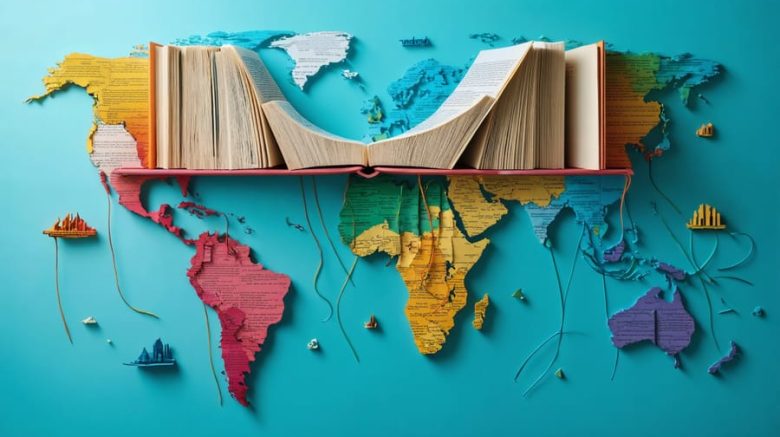
Cultural diaspora weaves through every corner of our modern writing landscape, shaping stories that bridge continents and generations with remarkable power. From the bustling streets of Toronto to the quiet corners of Vancouver Island, Canadian writers channel their diverse cultural backgrounds into compelling narratives that resonate across borders.
Moving between worlds isn’t just a physical journey – it’s a creative goldmine that transforms personal experiences into universal stories. Writers who tap into their diaspora experiences often craft richer characters, more nuanced conflicts, and deeper emotional connections with readers of all backgrounds. Whether you’re crafting fiction that explores your family’s migration story or developing articles about cultural identity, your unique perspective adds an authentic voice to Canada’s literary mosaic.
Think of cultural diaspora as a bridge, not a barrier. Your understanding of multiple worldviews, languages, and traditions becomes a powerful tool in your writer’s toolkit. It helps you create content that speaks to both mainstream Canadian audiences and specific cultural communities, opening up more opportunities in today’s diverse publishing landscape.
For freelance writers, this cultural fluency is increasingly valuable. Editors actively seek voices that can authentically represent different cultural experiences, making your diaspora background a compelling selling point in query letters and pitch meetings. Your ability to navigate multiple cultural contexts isn’t just part of your personal story – it’s a professional asset that sets you apart in Canada’s competitive writing market.
Voices Across Borders: Understanding Cultural Diaspora Literature
The Bridge Between Worlds
Diaspora writers possess a unique gift: the ability to weave stories that span multiple cultural landscapes. They stand at a fascinating intersection, holding the treasured memories of their ancestral homeland in one hand while grasping the daily realities of their adopted culture in the other. This position enables them to create rich narratives that resonate with readers from diverse backgrounds.
Many successful diaspora writers describe their creative process as a delicate dance between memory and present experience. They often draw from childhood stories, family traditions, and inherited wisdom while filtering these elements through their contemporary lens. This fusion creates authentic voices that speak to both worlds without losing authenticity in either.
The challenge lies in striking the right balance. Writers must consider how to explain cultural nuances to readers unfamiliar with their heritage while maintaining the story’s natural flow. They become cultural translators, building bridges of understanding through carefully chosen words and vivid descriptions that make both worlds accessible and relatable to their audience.
This unique perspective offers writers an opportunity to contribute fresh voices to the literary landscape, sharing stories that might otherwise go untold.
Identity and Belonging
For many individuals living in diaspora communities, the question of identity becomes a complex tapestry woven from both their ancestral heritage and their adopted home. Writers exploring these themes often grapple with the delicate balance between preserving traditional cultural symbols in literature and embracing new cultural experiences. This dual identity creates a unique perspective that enriches storytelling and offers readers authentic glimpses into the immigrant experience.
Many diaspora writers describe feeling caught between two worlds – not fully belonging to either their ancestral homeland or their new country. This sense of displacement often becomes a powerful creative force, inspiring stories that resonate with readers who share similar experiences. The struggle to maintain cultural traditions while adapting to new social norms creates tension that drives compelling narratives.
For Canadian writers especially, this intersection of identities offers rich material for storytelling, reflecting our country’s diverse cultural mosaic. Through their work, diaspora writers help bridge cultural gaps and foster understanding between communities, while documenting the evolving nature of cultural identity in our increasingly connected world.
Storytelling Techniques in Diaspora Literature
Memory and Nostalgia
Memory and nostalgia serve as powerful tools in diaspora writing, helping authors bridge the gap between their past and present worlds. Writers often draw from childhood memories, family stories, and cultural traditions to create rich narratives that resonate with readers who share similar experiences of displacement and cultural adaptation.
When crafting diaspora literature, writers frequently use sensory details – the aroma of traditional dishes, the sound of native music, or the texture of traditional fabrics – to transport readers between different times and places. These vivid memories help create an emotional connection with readers while preserving important cultural elements for future generations.
The bittersweet nature of nostalgia allows writers to explore complex emotions about their heritage and current life. Many successful diaspora authors blend happy memories of their homeland with the challenges of building a new life, creating layered narratives that feel authentic and relatable.
For writers working on diaspora stories, personal journals and family photographs can serve as valuable resources. These artifacts often trigger memories and emotions that add depth to your writing. Consider interviewing older family members to gather stories and perspectives that might otherwise be lost to time.
Remember that nostalgia doesn’t always mean portraying the past through rose-tinted glasses. The most compelling diaspora narratives often acknowledge both the beauty and difficulties of cultural heritage, creating a nuanced portrait of the immigrant experience.

Language and Cultural Code-Switching
In diaspora communities, language becomes a powerful tool for navigating multiple cultural identities. Writers often weave together different languages and cultural references to authentically represent the immigrant experience. This practice, known as code-switching, reflects the natural way diaspora communities shift between their heritage and adopted cultures.
Many Canadian writers expertly blend English or French with their ancestral languages, creating rich tapestries of expression that bridge worlds. This linguistic flexibility isn’t just about vocabulary – it’s about capturing the essence of cultural experiences that might lose meaning through cultural translation.
Consider how a character might switch from English to Mandarin when speaking with elders, or how Ukrainian phrases might pepper dialogue during emotional moments. These transitions often happen naturally in diaspora communities and adding them to your writing creates authenticity and depth.
For freelance writers working on diaspora narratives, embracing these linguistic layers can transform your storytelling. Try incorporating untranslated words, cultural idioms, or ceremonial language where it feels organic. Remember that readers appreciate genuine representation, even if they don’t understand every word – context often provides meaning, and glossaries can support understanding without breaking narrative flow.
Writing Opportunities in Diaspora Literature

Publishing Platforms and Markets
Several established platforms welcome diaspora literature, offering writers opportunities to share their unique cultural perspectives. Literary magazines like Room Magazine and Ricepaper specifically seek stories from diverse Canadian voices, while Prairie Fire regularly features works exploring cultural identity and migration experiences.
For digital platforms, publications like The Asian Canadian Writers’ Workshop and CanLit provide dedicated spaces for diaspora narratives. These venues not only offer publishing opportunities but also connect writers with readers who deeply appreciate multicultural storytelling.
Major publishing houses like HarperCollins Canada and Penguin Random House Canada have increasingly shown interest in diaspora literature, particularly through their diversity initiatives. Independent publishers like Arsenal Pulp Press and House of Anansi actively seek out diaspora voices and often provide more personalized attention to emerging writers.
Online platforms like Medium and Substack allow writers to build their following while maintaining creative control over their work. Literary agents specializing in diverse voices, such as those at The Rights Factory and Westwood Creative Artists, can help navigate traditional publishing routes.
Consider submitting to literary contests focused on diverse voices, like the CBC Literary Prizes or the Writers’ Union of Canada’s Short Prose Competition for Emerging Writers. These competitions often provide significant exposure and networking opportunities within the Canadian literary scene.
Remember to research submission guidelines carefully and target venues that align with your specific cultural narrative and writing style.
Building Your Cultural Voice
Developing your cultural voice begins with embracing your unique perspective and experiences within the diaspora community. Start by documenting personal stories, family histories, and cherished traditions that have shaped your identity. These elements form the foundation of authentic cultural narratives that resonate with readers.
Consider how traditional storytelling methods from your heritage can enrich your writing style. Whether it’s incorporating oral history techniques or weaving in cultural metaphors, these elements add depth and authenticity to your work.
Keep a cultural journal where you explore the intersection between your ancestral homeland and your current life in Canada. Note down observations about language differences, cultural celebrations, and even daily routines that bridge both worlds. These details become valuable material for your writing projects.
Connect with other diaspora writers through writing groups or cultural organizations. Their experiences and feedback can help you refine your voice while staying true to your cultural roots. Remember that your perspective is unique – there’s no “right” way to express your cultural identity.
Practice writing about familiar cultural elements from fresh angles. Instead of broad generalizations, focus on specific moments, sensory details, and personal connections. This approach helps readers connect with your story regardless of their background, while maintaining the authenticity of your cultural voice.
Diaspora literature stands as a powerful testament to the human experience of migration, cultural identity, and belonging. Through the stories of displaced communities, writers have created a rich tapestry of narratives that bridge geographical boundaries and connect readers across cultures. These works not only preserve cultural heritage but also foster understanding and empathy among diverse populations.
As a writer exploring diaspora themes, your unique perspective matters. Your story might resonate with readers who share similar experiences or help others understand the complexities of living between cultures. Whether you’re writing about your own family’s journey or crafting fiction inspired by diaspora communities, your voice contributes to this vital literary tradition.
The Canadian literary landscape particularly benefits from diaspora narratives, reflecting our multicultural society and enriching our national dialogue. Many successful Canadian writers have found their voice by exploring their cultural roots and sharing stories of immigration, adaptation, and transformation.
For freelance writers looking to contribute to diaspora literature, opportunities abound. Literary magazines, cultural publications, and mainstream media outlets increasingly seek authentic voices that can speak to the immigrant experience. Consider starting with personal essays, short stories, or blog posts that draw from your cultural background or observations.
Remember that your writing can serve as a bridge between communities, preserving traditions while creating new cultural connections. By sharing these stories, you’re not just building your portfolio – you’re contributing to an important cultural dialogue that helps shape our understanding of identity and belonging in an increasingly interconnected world.
Take that first step. Your story matters, and there’s an audience waiting to hear it.