
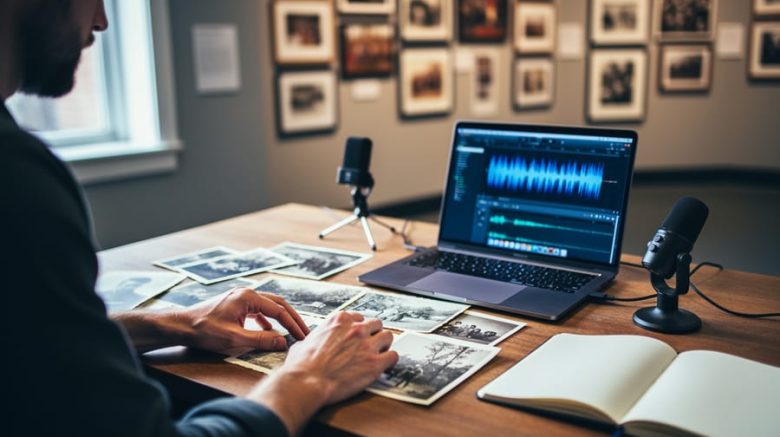
Every story you write as a freelance writer becomes part of the cultural record—a thread in the larger tapestry of how future generations will understand our world. Cultural memory isn’t just about dusty archives or academic research; it’s the living, breathing collection of stories, experiences, and perspectives that shape how communities remember their past and imagine their future. As a Canadian freelance writer, you’re not simply completing assignments or earning income—you’re actively participating in preserving and shaping what gets remembered about this moment in time.
The demand for writers who can capture authentic cultural experiences has never been stronger. Museums need content creators to make exhibits accessible. Indigenous communities seek writers to help share traditional knowledge. Local governments commission documentaries and digital archives. Corporate clients want to preserve their legacy stories. These opportunities exist across Canada, from major cities to remote communities, and they offer more than just competitive pay—they provide the chance to do meaningful work that outlasts any single project.
Understanding your role in cultural memory transforms how you approach every assignment. When you interview a small business owner about their immigrant family’s journey, you’re documenting social history. When you craft web content for a heritage site, you’re helping determine what aspects of the past remain visible to visitors. When you write profiles of community leaders, you’re choosing whose voices get amplified in the permanent record. This perspective doesn’t just make your work more purposeful—it makes you more valuable to clients who recognize the importance of thoughtful, culturally sensitive storytelling.
What Cultural Memory Really Means for Writers

From Print to Digital: Where Stories Live Now
The digital revolution has fundamentally changed who gets to tell stories and which voices are preserved for future generations. Traditional publishing once acted as a gatekeeper, determining which narratives made it into libraries and archives. Today, blogs, social media, podcasts, and digital magazines have democratized storytelling, creating exciting opportunities for freelance writers to contribute to cultural memory in ways that weren’t possible before.
This shift means diverse perspectives that might have been overlooked by mainstream publishers now have platforms to reach audiences directly. Indigenous writers can share oral traditions online, immigrant communities can preserve their experiences in digital archives, and regional stories from across Canada find global readers. You’re not just writing articles—you’re reshaping modern storytelling and deciding what gets remembered.
The challenge? Digital content can disappear quickly. Websites shut down, platforms change, and posts get buried. As a freelance writer, understanding digital preservation matters. Contributing to established platforms, backing up your work, and choosing projects with archival value helps ensure your stories endure. This evolution creates meaningful opportunities to shape cultural memory while building a rewarding writing career.
Why Freelancers Are Perfect Guardians of Cultural Memory
Freedom to Tell Untold Stories
As a freelance writer, you have something many staff journalists don’t: the freedom to choose which stories deserve your attention. This independence is powerful when it comes to preserving cultural memories that mainstream media might overlook or consider too niche.
Large media outlets often focus on stories with broad appeal or immediate news value. That’s where you come in. You can spend time documenting the closing of a beloved community bakery, interviewing elders about traditional practices, or exploring the history of a local cultural festival. These stories matter deeply to specific communities, even if they won’t make national headlines.
Canadian freelancers have successfully preserved incredible cultural narratives by following their curiosity. Writers have documented Indigenous language revitalization efforts in small communities, captured the experiences of new immigrants settling in rural areas, and chronicled the evolution of regional food traditions. These stories create lasting records that families and communities treasure for generations.
Your editorial independence means you can take the time these stories deserve. You’re not rushing to meet a daily news cycle or fitting narratives into predetermined editorial boxes. You can let people tell their stories in their own words and honour the complexity of their experiences.
This work is meaningful beyond the immediate assignment. You’re building archives of human experience, ensuring that diverse voices contribute to Canada’s cultural record. When you pursue these overlooked stories, you’re not just earning a living as a freelancer. You’re actively shaping which memories survive and whose voices future generations will hear.
Building Bridges Between Communities
As a freelancer, you have a unique advantage in the world of cultural preservation: mobility and flexibility. Unlike traditional journalists or writers tied to specific publications or geographic regions, you can work across borders, communities, and cultural boundaries with remarkable ease. This freedom positions you perfectly to capture diverse cultural narratives that might otherwise go unheard.
Your ability to connect with different communities means you can document stories from immigrant populations in Vancouver, Indigenous traditions in the North, or multicultural festivals in Toronto. You’re not limited by editorial mandates or corporate structures that might narrow your focus. Instead, you can choose projects that resonate with you personally while reshaping cultural conversations on a broader scale.
This cross-cultural capability also makes you invaluable to organizations seeking authentic voices. Museums, cultural centers, and heritage projects actively look for writers who can bridge different perspectives and communicate sensitively across communities. Your freelance status allows you to build trust within various groups, spending the time needed to understand their stories deeply. Whether you’re documenting oral histories, writing cultural guides, or creating content for diversity initiatives, your adaptability opens doors to meaningful work that preserves and celebrates Canada’s rich cultural tapestry.
Real Canadian Freelancers Preserving Cultural Stories
Canadian freelance writers are making remarkable contributions to cultural preservation, turning their passion for storytelling into meaningful careers while safeguarding the narratives that define our communities.
Sarah Mackenzie, a freelance writer based in Yellowknife, has spent the past five years working with Dene elders to document traditional knowledge and oral histories. Her work goes beyond simple transcription—she collaborates with community members to ensure stories are shared respectfully and accurately. This project has grown into a published anthology and ongoing digital archive, providing Sarah with steady income while preserving Indigenous stories for future generations.
In Toronto, Mohamed Hassan focuses on capturing the experiences of newcomers to Canada. His freelance projects include writing for cultural magazines, creating content for settlement agencies, and developing educational materials that celebrate immigrant contributions. Mohamed’s approach combines journalism with community engagement, allowing him to build a diverse portfolio while amplifying voices often overlooked in mainstream media.
Maritime writer Claire Boudreau has carved out a niche documenting Acadian traditions and francophone culture in Atlantic Canada. She writes for regional publications, creates content for cultural organizations, and produces podcast scripts exploring local history. Her work not only sustains her freelance business but also ensures younger generations remain connected to their heritage.
These writers demonstrate that cultural memory work offers viable career opportunities. They’ve found success by building relationships with cultural organizations, applying for grants through programs like the Canada Council for the Arts, and positioning themselves as specialists in their communities.
Their journeys show that freelance writing can be both professionally fulfilling and culturally significant. By combining research skills with genuine respect for the communities they serve, these writers prove that preserving cultural memories isn’t just important work—it’s sustainable work that makes a real difference.
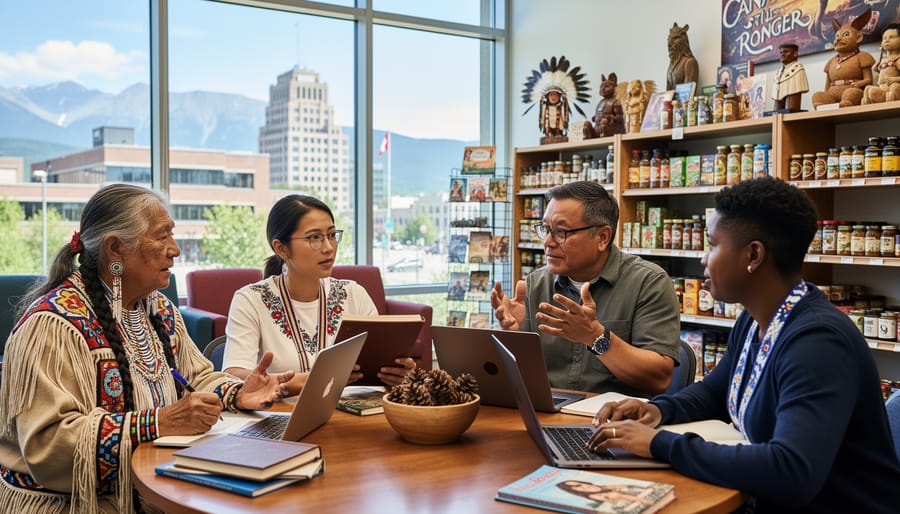
How Your Freelance Work Contributes to Cultural Memory
Small Projects, Lasting Impact
You might think that writing a 500-word blog post for a local museum or transcribing interviews for a community oral history project are just quick gigs to pay the bills. But these seemingly small assignments often become vital pieces of our cultural record. When you craft content for a neighbourhood heritage society documenting the stories of immigrant families, you’re creating a resource that future generations will treasure. That blog post about a local artisan’s traditional craft techniques? It might be the only detailed written account of their methods once they retire.
Canadian freelancers regularly contribute to projects that preserve moments others might overlook. Writing website copy for Indigenous-led cultural centres, creating educational materials for regional museums, or ghostwriting memoirs for community elders all serve as bridges between lived experience and historical record. These jobs may not come with prestigious bylines, but they carry profound significance.
Consider the freelancer who documented recipes and food traditions for a multicultural cookbook project, or the writer who interviewed seniors about their experiences during major historical events. Years later, researchers, students, and family members rely on these accounts. The beauty of freelance work is that you can choose projects aligned with preserving the stories that matter to you, whether that’s documenting disappearing dialects, capturing changing urban landscapes, or recording traditional knowledge before it’s lost.
Freelancing Tips for Culturally Meaningful Work
Finding Clients Who Value Cultural Storytelling
Cultural storytelling opportunities exist in more places than you might think. Museums across Canada regularly seek freelance writers for exhibit descriptions, educational materials, and digital content that brings artifacts and community stories to life. These institutions understand the value of clear, engaging narratives that connect visitors with heritage.
Cultural organizations and heritage foundations often need writers for grant applications, annual reports, and community outreach materials. Indigenous cultural centers, multicultural associations, and immigrant support organizations particularly value writers who can respectfully document and share diverse perspectives.
Local publications remain excellent venues for cultural memory work. Community newspapers, regional magazines, and neighbourhood newsletters frequently publish pieces about local history, profiles of longtime residents, and features on cultural traditions. These smaller outlets offer beginners valuable experience while allowing veterans to contribute meaningfully to their communities.
Digital platforms have expanded opportunities too. History podcasts need scriptwriters, cultural websites require content creators, and oral history projects seek transcriptionists and interviewers. Many Canadian cities have digital archives and community memory projects actively looking for writers to help preserve and present stories.
Start by researching cultural institutions in your area, subscribing to their newsletters, and following their social media channels where opportunities are often posted. Building relationships with these organizations can lead to ongoing, fulfilling work.
Pitching Cultural Memory Projects
When pitching projects that contribute to cultural memory, focus on positioning your work as an investment in preserving important stories for future generations. Start by clearly articulating what cultural perspective or community voice your project will document. Explain how these stories might otherwise be lost and why they matter now.
Highlight your cultural intelligence and unique access to communities or subjects. Museums, heritage organizations, and government agencies often have budgets specifically for cultural preservation work, but they need writers who understand the significance of what they’re documenting.
Frame your proposal around long-term value rather than just immediate content needs. Use phrases like “preserving voices,” “documenting traditions,” and “creating accessible archives.” Include how your work will reach diverse audiences and remain relevant over time.
Don’t forget to mention any multimedia elements that could enhance preservation efforts, such as audio recordings or photograph collections. Many cultural institutions appreciate writers who think beyond text alone. Remember, you’re not just selling an article—you’re offering to create a lasting cultural resource that honors important stories and strengthens community identity.

The Future: Freelancers as Digital Archivists
The digital revolution is opening exciting new doors for freelance writers who want to make a lasting cultural impact. Museums, heritage organizations, and cultural institutions across Canada are increasingly turning to contract writers to help preserve and share community stories in accessible digital formats.
This shift creates meaningful opportunities in several growing areas. Oral history projects now need skilled writers to conduct interviews with community elders, Indigenous knowledge keepers, and cultural leaders, then transform these conversations into compelling written narratives. Digital archiving initiatives require writers who can research historical documents and create engaging content that brings these materials to life for online audiences. Community documentation projects seek freelancers to capture neighbourhood histories, immigration stories, and local traditions before they fade from living memory.
What makes this work particularly rewarding is its dual purpose. You’re building your portfolio and earning income while contributing to something that outlasts any single assignment. One Toronto-based freelancer who started documenting her neighbourhood’s Portuguese community found the work led to ongoing contracts with cultural centres and even a book deal.
The skills you need are ones you likely already have: strong interviewing abilities, research competence, and clear writing. Many institutions provide training in digital archiving tools and oral history best practices. Start by reaching out to local museums, historical societies, and community cultural centres. Even small projects help you gain experience in this meaningful field while positioning yourself as someone who understands that every story preserved today becomes tomorrow’s cultural treasure.
As a Canadian freelance writer, you hold a powerful role that extends far beyond meeting deadlines and word counts. Every article you craft, every story you tell, and every voice you amplify becomes part of our collective cultural memory. You’re not just earning a living—you’re actively shaping how future generations will understand this moment in Canadian history.
The stories you choose to tell matter. Whether you’re documenting local community events, interviewing diverse voices, or exploring regional traditions, you’re creating a cultural archive that will endure. Think about the writers whose work you’ve discovered from decades past—their words still resonate because they captured something true about their time. Your work has that same potential.
This responsibility doesn’t need to feel overwhelming. Instead, let it inspire you. Each assignment is an opportunity to preserve something valuable, to give voice to underrepresented perspectives, or to challenge dominant narratives. Your independence as a freelancer gives you unique freedom to pursue these meaningful projects.
So embrace your role as a cultural memory keeper. Seek out stories that matter to you. Connect with communities whose experiences deserve documentation. Your words today are tomorrow’s history, and the impact of your work will ripple far beyond what you can imagine right now.