

Step into the mesmerizing world of interactive generative art, where code meets creativity to produce endless possibilities for immersive storytelling techniques. Unlike traditional static artwork, this dynamic medium responds to viewer input, creating unique experiences that blur the line between artist, audience, and artwork.
Picture a digital canvas where every mouse movement spawns vibrant patterns, or imagine an installation where your heartbeat influences the rhythm of flowing geometric shapes. That’s the magic of interactive generative art – a perfect blend of human touch and algorithmic beauty.
For writers and content creators, this emerging field opens up exciting new ways to engage audiences. Whether you’re crafting digital narratives for websites, designing interactive exhibitions, or exploring new forms of storytelling, generative art adds a layer of wonder that transforms passive viewers into active participants.
The beauty lies in its accessibility: you don’t need to be a coding expert to get started. With user-friendly tools and supportive communities, Canadian creators are increasingly incorporating these dynamic elements into their digital storytelling arsenal. As we venture further into the digital age, interactive generative art isn’t just changing how we create – it’s revolutionizing how we experience stories.
Where Code Meets Creativity: Understanding Interactive Generative Art
The Building Blocks of Interactive Art
Creating interactive generative art relies on several fundamental building blocks that work together to bring your digital creations to life. At its core, you’ll need a programming environment that supports visual output – popular choices include Processing, p5.js, or Three.js. These platforms make it easier to transform code into visually engaging experiences.
The basic elements you’ll work with include shapes, colors, and movement. Think of these as your digital paintbrush and canvas. Variables and parameters allow your art to change based on different conditions, while loops and functions help create patterns and repetitive elements that form the foundation of generative designs.
To add interactivity, you’ll incorporate user input through mouse movements, keyboard commands, or touch interactions. These inputs become triggers that influence how your artwork behaves and evolves. Randomization adds an element of surprise and uniqueness to each viewer’s experience, while algorithms determine how your art responds to these interactions.
Sound and motion sensors can further enhance the interactive experience, creating multi-sensory artworks that respond to the environment and audience presence. Remember, the goal is to create meaningful connections between the viewer and the artwork, making each interaction feel personal and engaging.

Why Writers Should Care About Generative Art
As storytellers in the digital age, we have an exciting opportunity to elevate our narratives through interactive generative art. This emerging form of creativity allows writers to create immersive experiences that respond to readers’ actions, bringing stories to life in ways traditional text alone cannot achieve.
Think of interactive generative art as a dynamic partnership between your words and visual elements that evolve based on reader engagement. For example, you might craft a story where the background scenery shifts with the protagonist’s emotions, or where readers’ choices influence the appearance of key story elements.
This fusion of writing and interactive art opens new doors for freelance writers. It can help you stand out in a competitive market, especially when pitching to digital publications or creating engaging content for websites. Many successful writers have found that incorporating interactive elements increases reader engagement and retention, leading to better client satisfaction and more opportunities.
For those worried about technical barriers, numerous user-friendly tools now make it possible to experiment with interactive art without extensive coding knowledge. The key is starting small and gradually building your interactive storytelling skills.
Crafting Interactive Stories: Practical Applications
Visual Storytelling Techniques
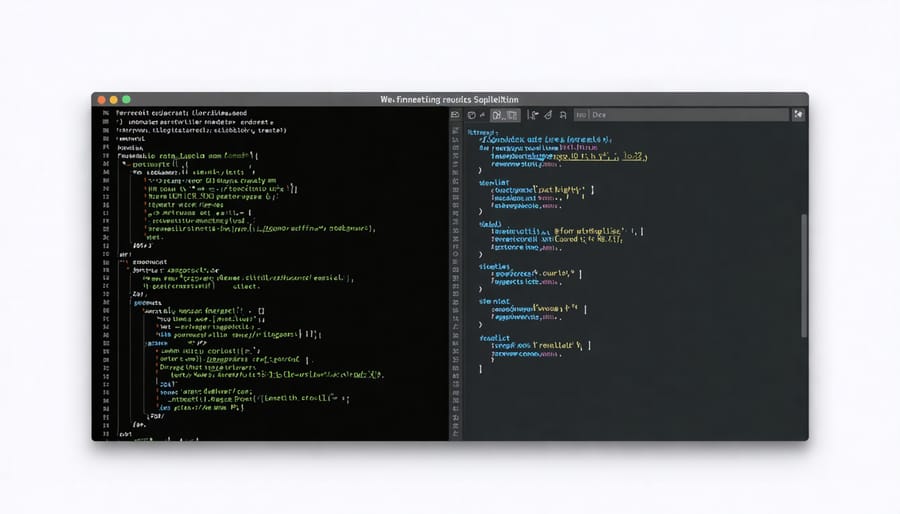
Visual storytelling in interactive generative art opens up exciting possibilities for writers venturing into interactive digital media publishing. The key is to create meaningful connections between your narrative elements and the interactive components that bring them to life.
Start by mapping out your story’s emotional journey. Consider how color, movement, and shape can reflect different story beats. For instance, peaceful moments might feature gentle, flowing patterns in cool blues, while dramatic tensions could trigger rapid, angular formations in vibrant reds.
Incorporate user interaction points that advance your narrative naturally. Readers might reveal hidden text by hovering over abstract shapes, or trigger new story branches by interacting with dynamic elements. Think of these interactions as gentle nudges that guide readers through your story without breaking their immersion.
Layer your visual elements thoughtfully. Background patterns can set the mood, while foreground elements can represent characters or key plot points. Consider using generative algorithms that respond to reader choices, creating unique visual experiences that feel personal and meaningful.
Remember to maintain balance between interactivity and readability. Your visual elements should enhance the story, not overshadow it. Start with simple interactions and gradually introduce more complex elements as readers become comfortable with your storytelling style.
Test your interactive elements with different readers to ensure they’re intuitive and engaging. Pay attention to feedback about which interactions feel natural and which might need refinement. This iterative process helps create a more polished and professional final product.
Reader Engagement Through Interaction
When readers actively participate in the art they’re experiencing, they’re more likely to remember and connect with it on a deeper level. Interactive generative art takes this principle to heart by creating opportunities for meaningful engagement that goes beyond passive observation.
Consider how a simple mouse movement or touch interaction can transform a static piece into a dynamic experience. When readers can influence the artwork’s behavior, they become co-creators rather than just viewers. This partnership between reader and artwork creates a sense of ownership and investment in the experience.
Interactive elements can take many forms in your digital storytelling. You might incorporate hover effects that reveal hidden layers of meaning, clickable elements that trigger new patterns or colors, or gesture-based controls that allow readers to shape the artwork’s evolution. Each interaction point serves as a hook that keeps readers engaged and encourages exploration.
The key to successful reader engagement lies in finding the right balance. Too many interactive elements can overwhelm, while too few might not create enough interest. Start with meaningful interactions that enhance your story rather than distract from it. For example, you could use interactive patterns that respond to the story’s emotional beats or allow readers to adjust the artwork’s parameters to match their interpretation of the narrative.
Remember that engagement isn’t just about clicking and dragging. Consider incorporating elements that prompt readers to pause, reflect, and make conscious choices about how they interact with the piece. This thoughtful approach to interaction design can lead to deeper engagement and more memorable experiences for your audience.
Getting Started with Interactive Art
Tools and Resources
Getting started with interactive generative art has never been easier, thanks to numerous user-friendly platforms and interactive storytelling tools available today. For beginners, Processing is an excellent starting point, offering a simplified programming environment specifically designed for visual artists and writers. Its straightforward syntax and extensive community support make it perfect for those new to creative coding.
p5.js, a JavaScript library based on Processing, lets you create interactive art directly in web browsers. It’s particularly useful for writers who want to integrate dynamic elements into their online portfolios or digital storytelling projects.
TouchDesigner is another powerful option, featuring a node-based interface that makes creating interactive installations more intuitive. While it has a steeper learning curve, its visual programming approach often appeals to creative professionals who prefer working with visual elements rather than traditional code.
For those seeking a more accessible entry point, platforms like Artbreeder and RunwayML offer AI-powered tools that can generate and modify artwork through simple interfaces. These tools are perfect for writers exploring the intersection of artificial intelligence and creative expression.
Remember to explore open-source resources and communities like OpenProcessing and Creative Coding, where you can find inspiration, share work, and learn from fellow artists and writers.
Collaboration Opportunities
As a writer interested in interactive generative art, you have numerous opportunities to collaborate with digital artists and developers. Many creative professionals are eager to combine written narratives with dynamic visual elements, creating immersive experiences that engage audiences in new ways.
Start by joining online communities where digital artists and developers gather, such as Discord servers, Reddit communities, or creative networking platforms. Share your story concepts and express interest in collaborative projects. Many digital artists are looking for writers who can add narrative depth to their visual experiments.
Consider reaching out to local tech meetups or digital art galleries in your Canadian city. These venues often host events where creators can connect and discuss potential partnerships. You might find developers interested in turning your stories into interactive experiences or artists looking to add procedural elements to your narrative works.
Don’t hesitate to propose collaboration ideas to game developers, particularly those working on narrative-driven indie games. Your storytelling skills combined with their technical expertise can result in unique interactive experiences. Start small with proof-of-concept projects to build your portfolio and understanding of the medium.
Remember to clearly outline your role and expectations when entering these partnerships. While you don’t need to understand all the technical aspects, having basic knowledge of interactive storytelling principles will help you communicate effectively with your technical collaborators.

Success Stories: Canadian Writers Using Interactive Art
Canadian writers are making impressive strides in the interactive art space, combining traditional storytelling with cutting-edge technology. Take Toronto-based writer Sarah Chen, who created “Whispers in the Digital Wind,” an interactive narrative that responds to readers’ emotional reactions through facial recognition technology. Her project has garnered over 50,000 engagements and earned recognition at the 2023 Digital Storytelling Awards.
Vancouver’s Marcus Thompson collaborated with local developers to build “Coastal Echoes,” a location-based story experience that unfolds differently depending on where readers physically explore the city. The project not only entertains but also educates visitors about local history and environmental conservation, demonstrating how AI-powered narrative creation can serve multiple purposes.
Montreal writer Claire Dubois transformed her poetry collection into an interactive art installation where verses morph and flow based on audience movement. Her work “Poésie en Motion” has been featured in galleries across Quebec and inspired writing workshops that blend traditional poetry with digital interaction.
These success stories share common elements worth noting:
1. Collaboration with technical experts while maintaining creative control
2. Starting small with prototype projects before scaling up
3. Focusing on audience engagement rather than technical complexity
4. Building communities around their interactive works
5. Maintaining authentic storytelling despite technological elements
Emerging writer Jamie Patterson from Edmonton started with simple choose-your-own-adventure stories and gradually incorporated generative elements. Their latest work, “Prairie Winds,” allows readers to influence weather patterns that affect the story’s outcome, proving that even modest technical knowledge can yield compelling interactive experiences.
The key takeaway from these success stories is that Canadian writers don’t need to become programming experts to create meaningful interactive art. Instead, they’re finding success by focusing on strong narratives first and thoughtfully incorporating interactive elements that enhance their storytelling.
Interactive generative art opens up exciting possibilities for storytellers looking to create immersive, dynamic experiences. By combining traditional narrative skills with interactive elements, you can craft stories that truly resonate with modern audiences who crave engagement and participation.
As you’ve seen throughout this article, the tools and techniques for creating interactive art are becoming more accessible every day. You don’t need to be a coding expert to start experimenting – many user-friendly platforms allow writers to dip their toes into this creative medium.
Consider starting small: add simple interactive elements to your existing stories, experiment with basic generative tools, or collaborate with digital artists who share your vision. The key is to focus on how interactivity can enhance your storytelling rather than overshadow it.
The future of storytelling is increasingly interactive, and as a writer, you’re well-positioned to be part of this evolution. Whether you’re crafting content for websites, digital publications, or interactive exhibitions, the skills you develop in this space will become increasingly valuable.
Take that first step today – your stories deserve to be experienced, not just read.