

AI-powered virtual assistants are revolutionizing how Canadian freelance writers tackle their daily workload and transform your freelance career. From scheduling client meetings to generating creative content ideas, these digital companions have become indispensable tools for writers looking to boost their productivity and income.
Picture having a skilled collaborator available 24/7, ready to help research topics, proofread drafts, and manage your administrative tasks—all while you focus on what matters most: crafting compelling content. Modern AI assistants can handle everything from basic grammar checks to sophisticated content analysis, helping you deliver higher-quality work in less time.
For freelancers wanting to stay competitive in today’s fast-paced writing market, embracing AI assistance isn’t just an option—it’s becoming essential. These tools offer the perfect balance of efficiency and creativity, ensuring you maintain your unique voice while maximizing your productive hours.
How Modern AI Writing Assistants Transform Your Writing Process
Real-Time Writing Enhancement
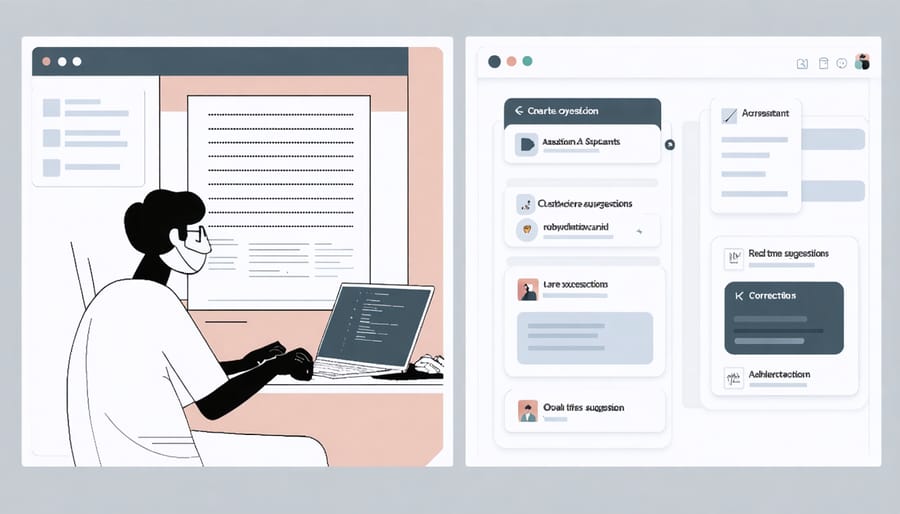
Modern AI writing assistants are revolutionizing how freelancers polish their work in real-time. As you type, these smart tools analyze your writing, offering instant suggestions for grammar improvements, style enhancements, and tone adjustments. Think of it as having a skilled editor looking over your shoulder, but one that works at lightning speed.
These tools excel at catching those pesky grammar mistakes we all make, from misplaced commas to subject-verb agreement errors. But they go beyond basic corrections. They’ll suggest stronger word choices, help maintain consistency in your writing style, and even alert you when your tone doesn’t match your intended audience.
For Canadian writers working on diverse projects, from blog posts to business proposals, these features are invaluable. You can easily switch between formal and casual tones, ensuring your writing resonates perfectly with each client’s needs. The best part? These suggestions appear as you write, allowing you to maintain your creative flow while crafting more polished content.
Many successful freelancers report saving hours on editing while delivering higher-quality work to their clients. It’s like having a writing partner who helps you sound more professional and confident without losing your authentic voice.
Research and Content Organization
AI-powered virtual assistants are revolutionizing how writers approach research and content organization. These smart tools can quickly scan through vast amounts of online resources, collecting relevant information and saving precious hours of manual research time. For example, they can gather statistics, find credible sources, and even suggest related topics to explore.
When it comes to organizing your content, AI assistants excel at helping you create logical outlines. They can analyze your research materials and suggest potential article structures that flow naturally. Many writers find this particularly helpful when tackling complex topics or long-form content.
What’s especially exciting is how these tools can identify patterns and connections in your research that you might have missed. They can suggest unique angles for your stories and help maintain consistency throughout your piece. For freelancers juggling multiple projects, this organizational support is invaluable.
Remember though, while AI can streamline your research process, it’s still important to verify information and add your unique perspective. Think of your AI assistant as a capable research partner rather than a replacement for your expertise and creativity.
Choosing the Right AI Assistant for Your Writing Style
Content Type Specialization
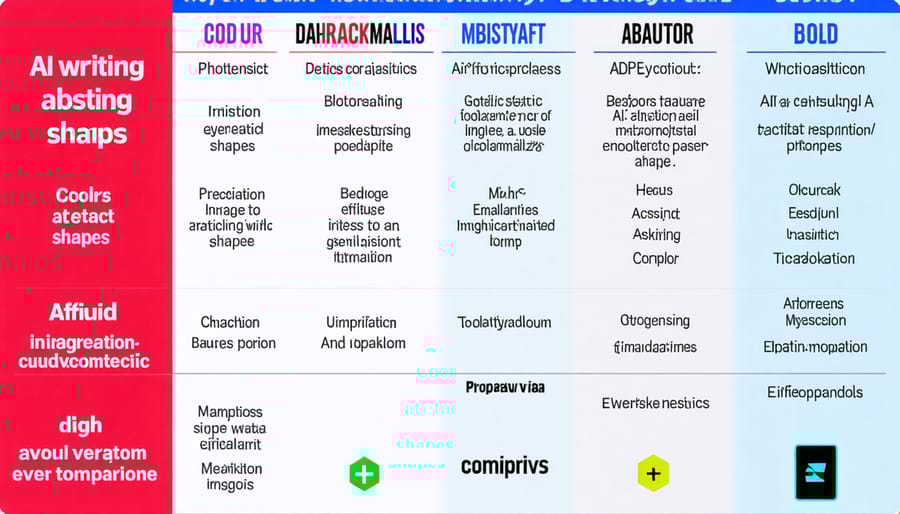
Different writing projects require different approaches, and AI-powered virtual assistants can be tailored to meet these specific needs. When choosing writing tools for your projects, it’s important to match the AI’s capabilities with your content type.
For blog writing, look for AI assistants that excel at conversational tone and engaging introductions. These tools often come with built-in SEO suggestions and can help generate catchy headlines that grab readers’ attention. They’re particularly good at incorporating current trends and maintaining a consistent voice throughout your posts.
When crafting articles, focus on AI tools that offer robust research capabilities and fact-checking features. The best assistants for article writing can help structure your content logically and suggest relevant statistics or examples to support your points.
Technical writing demands precision, so choose AI tools with strong terminology management and consistency checking. These assistants can help maintain accurate technical language while ensuring your content remains accessible to your target audience.
Remember that while AI can enhance your writing process, your expertise and creativity are what make the content truly valuable. Use these tools to streamline your workflow and maintain quality across different content types, but always review and refine the output to match your unique style and professional standards.
Integration with Your Workflow
Integrating AI-powered virtual assistants into your writing workflow doesn’t have to be overwhelming. Start small by identifying one or two tasks that take up too much time, like research or initial drafting. Many writers find success by using AI tools for creating outlines or generating topic ideas during their brainstorming sessions.
Create a systematic approach by setting specific times for AI interaction. For example, you might use your virtual assistant for research in the morning, then focus on original writing in the afternoon. This helps maintain a healthy balance between AI assistance and your unique creative process.
Remember to establish clear boundaries. While AI can help with tasks like proofreading or suggesting alternatives, always review and refine its output. Many successful freelancers use AI as a collaborative partner rather than a replacement, maintaining their authentic voice while leveraging technology to enhance productivity.
Consider creating templates or saved prompts for recurring tasks. If you regularly write blog posts, save effective prompts for introductions or conclusions. This streamlines your process while ensuring consistency in how you use the tool.
Most importantly, stay flexible and experimental. Try different approaches to find what works best for you. Some writers prefer using AI for initial drafts, while others find it more valuable for editing and polishing. The key is to make the technology work for your unique style and needs.
Maximizing Productivity Without Sacrificing Quality

Setting Up Custom Parameters
Getting your AI writing assistant to work just right for you is like training a new team member. Start by examining your writing style and the types of content you regularly create. Are you primarily writing blog posts, social media content, or technical documentation? This will help you set the right tone and style parameters.
Many AI assistants allow you to create custom templates or “personas” that match your writing voice. Take time to craft detailed instructions that include your preferred writing style, common phrases you use, and any industry-specific terminology. For example, if you write in a casual, conversational tone for lifestyle blogs, make sure to specify this in your parameters.
Consider creating different presets for various clients or projects. You might want one setup for professional business content and another for creative storytelling. Don’t forget to include any brand guidelines or specific requirements your clients have provided.
Remember to regularly fine-tune these parameters based on the output you receive. If you notice the AI consistently misses certain nuances or uses phrases that don’t quite fit your style, adjust your instructions accordingly. Think of it as an ongoing collaboration where you’re teaching the AI to better understand and mirror your unique voice.
Most importantly, always review and refine the AI’s output to maintain your authentic voice while benefiting from its efficiency-boosting capabilities.
Quality Control Strategies
While AI-powered virtual assistants can significantly boost your writing efficiency, maintaining quality control is essential for delivering exceptional work. As freelance writers, we need to strike the perfect balance between leveraging these writing productivity tools and preserving our unique voice and accuracy.
Start by establishing a consistent review process. After your AI assistant generates content, carefully review and edit the output, checking for accuracy, tone, and alignment with your client’s requirements. Pay special attention to facts, statistics, and industry-specific information that may need verification.
Create a quality checklist that includes elements like brand voice consistency, grammar accuracy, and source verification. This helps ensure nothing slips through the cracks while working with AI tools. Consider implementing a two-pass review system: first for content and accuracy, then for style and tone.
Remember to regularly update your AI assistant’s training data and prompts to reflect your evolving writing style and client needs. This helps maintain consistency across your work while maximizing the tool’s effectiveness.
Most importantly, trust your instincts. If something doesn’t sound quite right or feels off-brand, take the time to revise and refine. Your expertise and judgment are what set you apart from AI-generated content.
AI-powered virtual assistants have revolutionized the way freelance writers approach their craft, offering a perfect blend of efficiency and creativity. As we’ve explored throughout this article, these digital companions can significantly boost your productivity while maintaining the authentic voice that makes your writing unique.
By embracing AI assistants in your writing workflow, you can focus more on what truly matters – crafting compelling stories and delivering value to your clients. Many Canadian writers have already discovered how these tools can help meet tight deadlines, generate fresh ideas, and maintain consistent quality across different projects.
Remember that AI assistants are meant to enhance your natural abilities, not replace them. Your experience, creativity, and human touch remain irreplaceable elements of successful writing. Use these tools to handle routine tasks, overcome writer’s block, and polish your work, while maintaining your distinctive style and professional standards.
As you move forward in your writing career, consider starting small with AI integration. Begin with simple tasks like outline generation or basic editing, then gradually expand your use as you become more comfortable. Stay informed about new developments in AI writing technology, but always prioritize the quality and authenticity of your work.
The future of freelance writing is bright, with AI assistants opening new possibilities for career growth and success. By responsibly incorporating these tools into your workflow, you can stay competitive in the evolving writing landscape while delivering exceptional content that resonates with your readers and clients.
Take the first step today – explore AI writing assistants with confidence, knowing they’re here to support your journey as a professional writer.