

Transform ordinary content into magnetic storytelling by mastering the art of creating content that drives engagement through strategic audience connection. Hook readers within the first eight seconds by leading with a compelling problem statement or surprising statistic that validates their challenges. Build authentic relationships by crafting personalized content that speaks directly to your target audience’s pain points, aspirations, and daily experiences.
The difference between forgettable and unforgettable content lies in its ability to spark genuine emotion and inspire action. Canadian content creators who consistently deliver value-packed material that entertains, educates, or solves specific problems develop loyal followings that actively share and engage with their work.
Whether you’re crafting blog posts, social media content, or email newsletters, focus on creating distinctive voices and memorable experiences that resonate with your specific audience segment. Success comes from understanding that engaging content isn’t about perfection – it’s about authenticity, relatability, and consistent value delivery that keeps readers coming back for more.
This comprehensive guide will equip you with proven strategies to create content that not only captures attention but maintains it throughout the reader’s journey, turning casual browsers into devoted followers.
Know Your Audience Inside and Out
Building Detailed Reader Personas
Building detailed reader personas goes beyond basic demographics – it’s about creating vivid, realistic profiles of your target audience members. Start with understanding audience research to gather meaningful insights about your readers’ challenges, goals, and preferences.
Create 3-5 distinct personas that represent different segments of your audience. Give each persona a name, job title, and life situation. For example, “Sarah, a 34-year-old marketing manager who works remotely and struggles with work-life balance” feels more real than just “female professionals aged 30-40.”
Include details about:
– Daily routines and habits
– Professional challenges
– Content consumption preferences
– Social media platforms they frequent
– Values and motivations
– Pain points they want to solve
Keep a document with these personas handy while writing. Before creating content, ask yourself: “Would Sarah find this helpful? Does this address her specific challenges?” This approach helps you maintain focus and relevance.
Update your personas regularly as you learn more about your audience through comments, feedback, and analytics. Pay attention to the language your readers use in their interactions and mirror it in your content. This creates an authentic connection and shows you truly understand their needs.
Remember, the goal isn’t to create fictional characters, but to develop realistic representations of your actual readers that guide your content creation process.

Reading Between the Lines of Analytics
Analytics aren’t just dry numbers – they’re your audience telling you what they want. As a content creator, learning to interpret these signals can transform your writing from good to exceptional. Start by focusing on three key metrics: time spent on page, social sharing patterns, and comment engagement.
When readers spend more time on certain topics, it’s a clear signal to create more content in that area. For example, if your article about freelance productivity tools gets triple the average reading time, that’s your audience hungry for more practical advice.
Watch how your content travels across social media. Which posts get shared more often? What headlines spark conversations? These patterns reveal what resonates with your readers emotionally. If your personal experience stories consistently receive more shares than general advice pieces, you’ve discovered your audience values authenticity.
Comments are gold mines of insight. Beyond the surface-level feedback, look for recurring questions or concerns. These gaps in information often inspire your next successful piece. Pay attention to the language your readers use – incorporating their vocabulary makes your content more relatable.
Remember to check your bounce rates too. If readers quickly leave certain pages, it might be time to refresh your approach or presentation style. The key is to view analytics as an ongoing conversation with your audience, helping you fine-tune your content strategy for maximum engagement.
Craft Content That Speaks Their Language
Finding Your Content’s Voice
Finding your unique content voice is like discovering your signature writing style – it’s what makes your work distinctively yours while resonating with your target audience. As a freelance writer, you’ll often need to adapt your voice for different clients and audiences, but that doesn’t mean losing your authenticity.
Start by understanding your natural writing tendencies. Are you naturally witty? Analytical? Empathetic? These traits form the foundation of your authentic voice. Then, consider your audience’s preferences and needs. A tech startup might appreciate a more casual, innovative tone, while a law firm may expect polished professionalism.
Here’s a practical approach to developing your content voice:
1. Create a voice chart listing three core characteristics that define your writing style
2. Document specific words and phrases that embody these characteristics
3. Write a short sample piece incorporating these elements
4. Get feedback from trusted colleagues or mentors
Remember, authenticity doesn’t mean rigid consistency. Think of your content voice as a musical instrument – you can play different tunes while maintaining your distinct sound. When writing for various clients, adjust your tone like turning a dial rather than completely changing instruments.
Many successful Canadian freelancers master this balance. Take Sarah from Vancouver, who maintains her warm, conversational style whether writing for lifestyle blogs or corporate websites. She adapts the formality level and technical detail while keeping her engaging storytelling approach consistent.
The key is making intentional adjustments while staying true to your core writing identity. This approach helps build trust with both clients and readers, as they sense the authenticity in your words even as you adapt to their needs.
Making Complex Topics Accessible
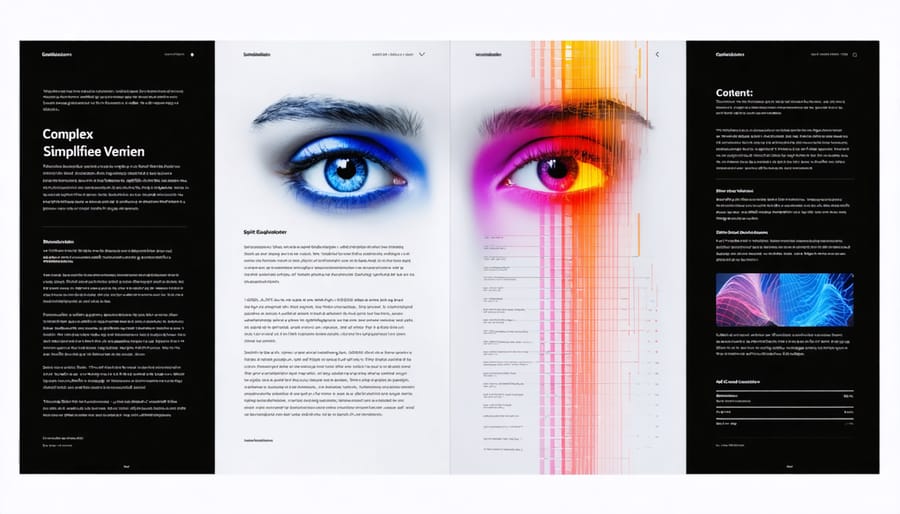
Breaking down complex topics into digestible content doesn’t have to be overwhelming. Start by understanding your audience’s knowledge level and identifying potential knowledge gaps. Think of yourself as a bridge between expertise and understanding, much like how successful writers excel at crafting accessible business content for diverse readers.
Use the “explain it to a friend” technique: imagine you’re sharing the concept with someone over coffee. This mindset naturally encourages simpler language and relatable examples. Break complex ideas into smaller, manageable chunks, and introduce them gradually, building upon each previous concept.
Analogies and metaphors are your best friends when explaining difficult topics. Compare complex processes to everyday experiences your readers already understand. For instance, if you’re explaining how SEO works, compare it to organizing a library where books (websites) need to be properly categorized and labeled for people to find them easily.
Visual aids can significantly enhance understanding. Consider incorporating:
– Simple diagrams
– Step-by-step illustrations
– Infographics
– Flowcharts
Remember to maintain a conversational tone while being informative. Use transition phrases to guide readers through logical progression. Include real-world examples that your audience can relate to, and don’t hesitate to revisit important points from different angles.
End sections with brief summaries and provide actionable takeaways. This helps readers retain information and apply it practically. When in doubt, test your content with someone from your target audience and gather feedback on clarity and comprehension.
Keep Them Coming Back for More
Creating Emotional Connections
Creating an emotional connection with your readers isn’t just about sharing information – it’s about touching hearts and sparking genuine reactions. Start by sharing personal experiences that your audience can relate to. For instance, if you’re writing about freelancing challenges, describe that familiar feeling of landing your first major client or overcoming writer’s block.
Use sensory details to make your content more vivid and memorable. Instead of saying “it was a successful day,” paint a picture: “My fingers danced across the keyboard as I hit ‘send’ on my final draft, just as the sun peeked through my home office window.”
Incorporate storytelling elements that mirror your readers’ journeys. Canadian freelancers often face unique challenges, from navigating different time zones with international clients to building a sustainable career in our diverse market. Address these specific pain points while offering hope and solutions.
Remember to use “you” and “we” language to create a sense of community and direct conversation. Share both victories and setbacks – it makes your content more authentic and relatable. Include dialogue snippets from real client interactions or fellow writers’ experiences to add depth and credibility to your message.
End your pieces with thoughtful questions or calls to reflection that encourage readers to connect their own experiences with your content. This creates a lasting impression and keeps them coming back for more.
Interactive Elements That Work
Creating engaging content isn’t just about adding flashy elements – it’s about integrating interactive features that genuinely enhance your readers’ experience. Successful interactive content strategies combine user participation with valuable information, making your content both memorable and shareable.
Start with simple elements like polls and quizzes that relate directly to your topic. For example, if you’re writing about productivity tips, include a quick self-assessment quiz that helps readers identify their work style. This not only keeps readers engaged but provides them with personalized insights they can apply immediately.
Comments sections, when properly moderated, create valuable discussion spaces. Encourage meaningful conversations by ending your pieces with thought-provoking questions that prompt readers to share their experiences. This builds community while providing you with valuable feedback and user-generated content.
Consider embedding relevant social media posts or creating clickable infographics that reveal additional information when readers interact with them. These elements should support your main message rather than distract from it. Remember, the goal is to enhance understanding, not just increase time on page.
Keep your interactive elements mobile-friendly and ensure they load quickly. Nothing frustrates readers more than slow-loading features or elements that don’t work properly on their devices. Test everything thoroughly before publishing to maintain your professional credibility.

Building Content Series That Hook Readers
Creating a content series that keeps readers coming back is like building a loyal following for your favorite TV show. Start by mapping out a clear theme that connects all pieces in your series – whether it’s a deep dive into freelance writing techniques or a step-by-step guide to building a writing portfolio.
Consider structuring your series with a compelling hook in the first piece, then gradually unveiling more valuable insights in subsequent posts. For example, if you’re writing about freelance success strategies, begin with an attention-grabbing success story, then explore specific techniques in later installments.
Make each piece valuable on its own while leaving readers curious about what’s next. You might end each post with a teaser of upcoming content or pose thought-provoking questions that will be answered in the next installment.
Consistency is key – both in publishing schedule and quality. Set a realistic posting rhythm, whether it’s weekly or bi-weekly, and stick to it. Your readers will appreciate knowing when to expect new content.
Include practical takeaways in every piece. Canadian freelancers particularly appreciate actionable tips they can implement immediately. Consider creating downloadable resources, worksheets, or templates that complement your series.
Remember to gather feedback as your series progresses. Pay attention to comments and engagement metrics to refine future installments. This approach helps you create content that truly resonates with your audience while building a reliable readership base.
Creating engaging content isn’t just about following a set of rules – it’s about connecting with your audience and telling stories that matter. Throughout this guide, we’ve explored the essential elements that make content truly captivating, from understanding your audience to crafting compelling narratives.
Remember, successful content creation starts with thorough research and a deep understanding of who you’re writing for. Take time to develop detailed audience personas and regularly check analytics to understand what resonates with your readers. The most engaging content often comes from writers who genuinely understand their audience’s needs, challenges, and aspirations.
Your toolkit should now include strategies for crafting attention-grabbing headlines, writing compelling introductions, and maintaining reader interest throughout your pieces. Use these techniques consistently, but don’t be afraid to experiment and develop your unique voice. Some of Canada’s most successful freelance writers started by testing different approaches until they found what worked best for them.
Moving forward, challenge yourself to implement at least one new technique from this guide in your next piece of content. Whether it’s incorporating more storytelling elements, using data more effectively, or focusing on creating stronger emotional connections, small changes can lead to significant improvements in engagement.
Set aside time each month to review and analyze your content’s performance. What pieces generated the most engagement? Which topics sparked the most discussion? Use these insights to refine your approach and continuously improve your craft.
Remember, creating engaging content is a journey, not a destination. Keep learning, stay curious about your audience, and don’t be afraid to push creative boundaries. Your unique perspective and experiences can help you create content that not only engages but also inspires and motivates your readers.
Start implementing these strategies today, and you’ll be well on your way to creating content that truly connects with your audience and achieves your goals.