

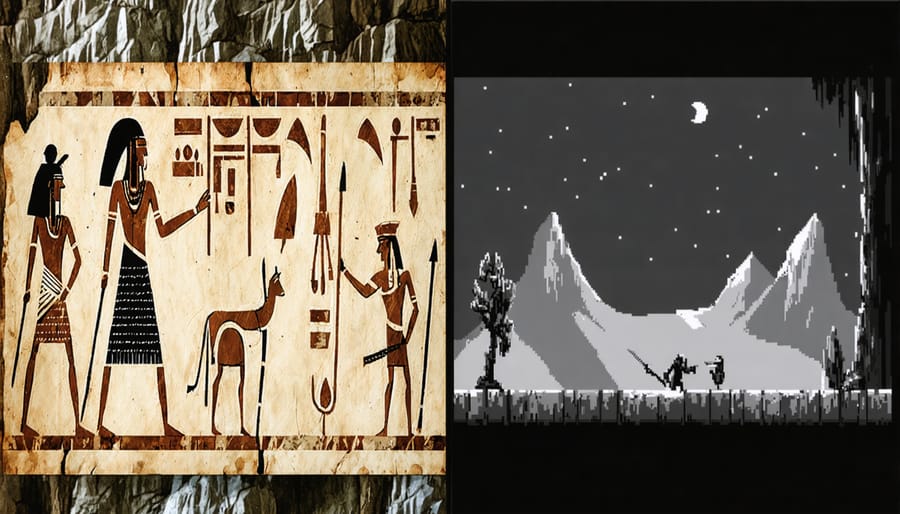
From ancient cave paintings to modern story-driven games, storytelling has been humanity’s most powerful tool for sharing knowledge, building communities, and making sense of our world. Our ancestors gathered around fires, weaving tales that would shape cultures and civilizations for generations to come. This primal need to share experiences through narrative hasn’t just survived – it’s evolved into countless forms while maintaining its core purpose: connecting hearts and minds through shared experiences.
As freelance writers, we’re part of this grand tradition, carrying forward an art form that began with our earliest ancestors. Whether crafting content for digital platforms or traditional media, understanding storytelling’s origins helps us create more compelling narratives that resonate with modern audiences. The techniques that moved people thousands of years ago – building tension, creating relatable characters, and delivering satisfying resolutions – remain just as effective today in capturing readers’ imagination and keeping them engaged.
From Cave Walls to Console Screens
The First Interactive Stories
Long before digital screens and virtual worlds, ancient storytellers mastered the art of engaging their audiences through interactive storytelling elements that still influence modern narratives. Cave paintings weren’t just static images – they served as vibrant backdrops for performances where storytellers would incorporate audience reactions and participation into their tales.
These early storytellers used call-and-response techniques, encouraging listeners to join in with chants, songs, and movement. They’d pause at crucial moments, letting the audience guess what might happen next, much like today’s choice-based adventures. Props and costumes added visual appeal, while gestures and voice modulation brought characters to life.
Aboriginal dreamtime stories often involved the audience drawing in sand or dirt while the tale unfolded, creating a shared experience between narrator and listeners. Greek theaters introduced masks and chorus elements, allowing spectators to feel emotionally connected to the story’s progression.
These ancient techniques remind us that storytelling has always been about creating connections and inviting audiences to become part of the narrative journey.
Ritual and Gaming: Surprising Connections
Ancient storytelling rituals and modern gaming share fascinating parallels that many content creators can draw inspiration from. Just as our ancestors gathered around fires to share interactive tales where listeners could influence the story’s direction, today’s gamers immerse themselves in worlds where their choices shape the narrative.
Traditional storytelling ceremonies often involved call-and-response elements, where the audience participated actively in the tale’s progression. This mirrors how modern games use dialogue choices and branching narratives to engage players. The rhythmic patterns found in ancient oral traditions, used to help storytellers remember complex narratives, find their modern equivalent in gaming’s quest structures and achievement systems.
Ritual storytellers would often use physical objects or tokens to enhance their tales, similar to how games use inventory systems and collectible items to deepen player engagement. Even the concept of “leveling up” in games reflects traditional coming-of-age stories where characters grow through trials and challenges.
Understanding these connections can help writers create more engaging content for both traditional and interactive media, blending time-tested storytelling techniques with modern gaming mechanics.
Core Elements That Stand the Test of Time
Hero’s Journey in Modern Games
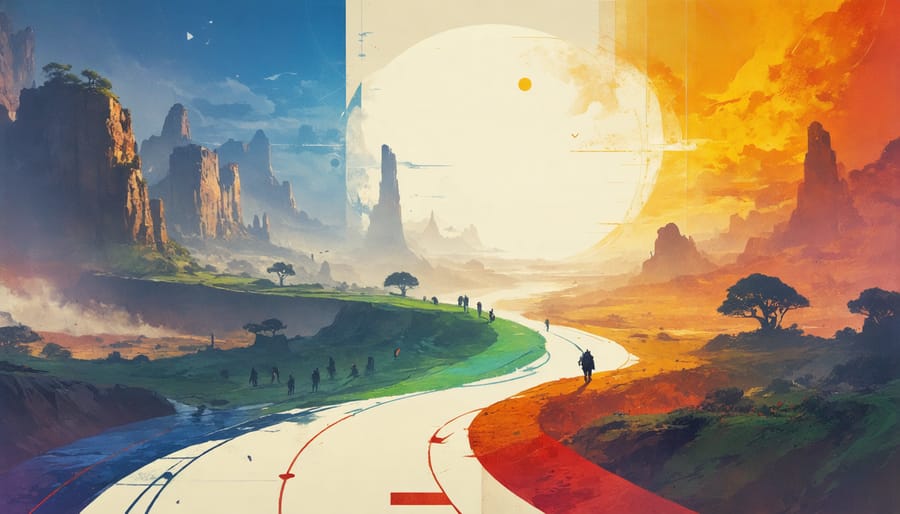
Modern video games have brilliantly adapted the timeless Hero’s Journey structure, making it more interactive and engaging than ever before. Games like The Legend of Zelda series perfectly mirror Campbell’s monomyth, with players guiding their characters from humble beginnings through supernatural trials to eventual triumph.
Take Red Dead Redemption 2, where Arthur Morgan’s transformation from outlaw to redemption seeker follows the classic hero’s path. The game masterfully weaves traditional storytelling elements with player choice, creating a personally meaningful journey that resonates with ancient narrative patterns.
Popular games like God of War (2018) showcase how developers can refresh age-old mythological tales for contemporary audiences. Kratos’s journey with his son Atreus combines the classic father-son narrative with Norse mythology, demonstrating how ancient storytelling frameworks remain relevant in modern media.
What makes games unique is their ability to put players in the hero’s shoes. Instead of passive observation, gamers actively experience the call to adventure, face challenges, and emerge transformed. Games like Journey or Horizon Zero Dawn prove that whether through minimalist storytelling or complex narratives, the Hero’s Journey template continues to captivate audiences.
For content creators, understanding how games adapt these traditional structures offers valuable insights into modern storytelling techniques. The success of these games shows that while technology evolves, the core elements of compelling narratives remain unchanged.
Community and Shared Experience
From ancient tribal gatherings around flickering fires to modern-day multiplayer gaming sessions, storytelling has always been a communal experience that brings people together. Early human societies used storytelling as a way to strengthen social bonds, share cultural values, and pass down vital knowledge through generations.
In traditional settings, storytellers would engage their audience through call-and-response techniques, encouraging active participation rather than passive listening. This interactive element lives on in today’s gaming communities, where players collectively shape narratives through their choices and actions.
Social media and online gaming platforms have transformed these age-old practices into digital experiences. Massive multiplayer online games (MMOs) create shared narratives where thousands of players contribute to an evolving story. Streaming platforms like Twitch have created modern-day campfires where communities gather to experience stories together, with viewers actively participating through chat and interactive features.
The rise of collaborative storytelling platforms has democratized the narrative process. Fan fiction communities, role-playing forums, and user-generated content have shown how stories can emerge from collective creativity. This evolution mirrors the traditional oral storytelling traditions where tales were shaped and reshaped by each teller and audience.
For content creators, understanding this shift from passive to participatory storytelling opens up exciting possibilities for engaging audiences and building communities around shared narratives.
Crafting Modern Interactive Stories
Balancing Tradition with Innovation
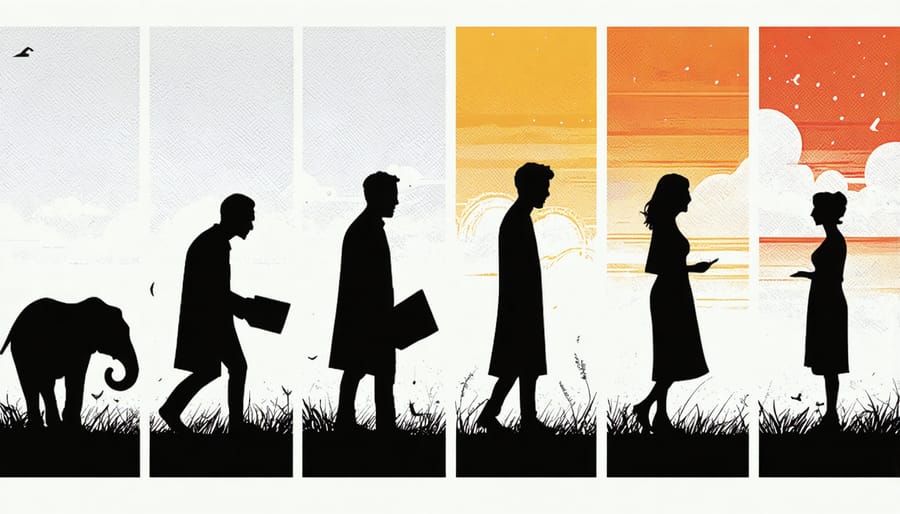
Modern storytellers face an exciting challenge: maintaining the magic of traditional narratives while embracing digital innovations. The key lies in understanding that core storytelling elements – character development, conflict, and emotional resonance – remain constant regardless of the medium.
Consider how successful freelance writers blend time-tested techniques with new platforms. A compelling story can now unfold through interactive blog posts, social media threads, or multimedia presentations while still following the classic hero’s journey structure. The trick is to let technology enhance rather than overshadow your narrative.
For example, when crafting content for websites, you can use hyperlinks and embedded media to create depth without disrupting the story’s flow. Think of these digital elements as modern versions of oral tradition’s dramatic pauses or the illustrated margins of ancient manuscripts.
Many Canadian writers find success by treating new technologies as additional tools in their storytelling toolkit rather than replacements for traditional methods. They use data visualization to support complex narratives, incorporate user feedback in real-time, and create immersive experiences through virtual reality while maintaining strong character development and plot structure.
Remember that innovation should serve the story, not the other way around. The most effective modern narratives honor traditional storytelling principles while thoughtfully incorporating new ways to engage audiences. This balance helps ensure your content remains both timeless and relevant in today’s digital landscape.
Building Engaging Narratives
Building engaging narratives in today’s digital landscape requires a blend of traditional storytelling wisdom and modern techniques. Successful storytellers understand that creating compelling narratives starts with a strong emotional core that resonates with the audience, regardless of the platform.
Start by developing well-rounded characters that your audience can connect with. Whether you’re writing for social media, blogs, or video games, memorable characters drive engagement and keep readers invested in your story. Focus on their motivations, conflicts, and growth throughout the narrative.
Structure your story with clear but flexible story arcs that can adapt to different platforms. While traditional three-act structures work well for linear narratives, consider how your story might branch out in interactive mediums. Use foreshadowing and callbacks to create a satisfying narrative experience.
Incorporate sensory details and vivid descriptions to bring your world to life. Modern audiences expect immersive experiences, so engage multiple senses in your descriptions. Remember to show rather than tell, letting readers discover the story through action and dialogue rather than exposition.
Pacing is crucial across all platforms. Balance intense moments with quieter scenes, and vary your sentence structure to control the story’s rhythm. For digital platforms, consider how bite-sized content can build into larger narrative arcs while maintaining audience engagement.
Remember to leave room for audience interpretation and engagement. Today’s readers and users often want to be active participants in the story, whether through comments, choices, or community discussions.
As we’ve explored the rich history of storytelling and its evolution into modern gaming, it’s clear that the fundamental elements that captivated our ancestors around campfires continue to resonate in today’s digital worlds. The marriage of traditional narrative techniques with interactive storytelling has opened up exciting new possibilities for content creators and game developers alike.
The gaming industry has successfully adapted ancient storytelling principles – character development, conflict, and emotional resonance – while adding unique layers of player agency and immersion. This blend has created experiences that not only entertain but also carry forward our cultural heritage in meaningful ways.
For freelance writers working in the gaming industry, understanding these connections offers valuable opportunities. The demand for compelling narratives in games continues to grow, with studios increasingly seeking writers who can craft stories that honor traditional storytelling while embracing interactive elements.
Looking ahead, we can expect to see even more innovative approaches to digital storytelling. Virtual reality, artificial intelligence, and emerging technologies will create new ways to tell stories, but the core principles that have guided storytellers for millennia will remain relevant. The key to success lies in balancing these timeless elements with modern innovations.
For content creators, this evolution represents an exciting frontier. Whether you’re writing for indie games or AAA titles, understanding the origins of storytelling provides a solid foundation for creating engaging narratives that resonate with players. By embracing both traditional wisdom and new possibilities, you can contribute to the next chapter in humanity’s ongoing story of storytelling.
Remember that every game narrative you create carries forward this ancient tradition, connecting players to the same emotional experiences that have moved humans since stories first began.