
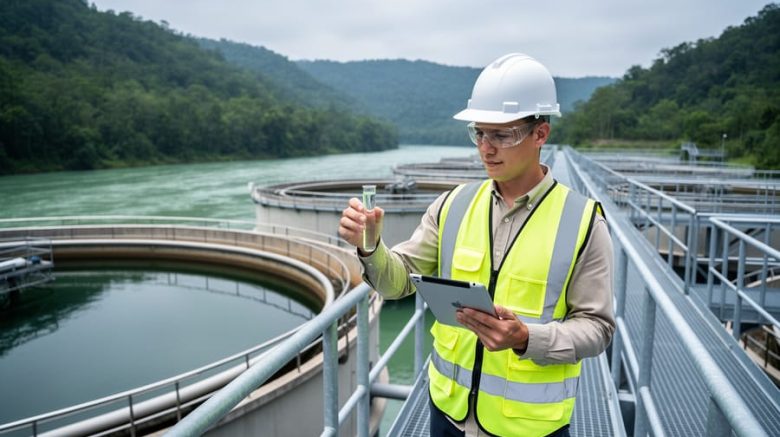
Specialized technical writing is no longer just “documentation,” it has become the Operating System of Trust in industries where environmental responsibility, regulatory scrutiny, and public confidence intersect. It now serves as a critical tool for disseminating awareness, operational transparency, and sustainability intelligence in a manner that considers growing greenwashing fatigue and the communication failures common in traditional industrial messaging.
That is where strategic technical solutions matter. Whether you want to better understand mine water treatment systems or are seeking content that translates complex environmental processes into credible, decision-focused communication, expertise and precision have become just as important as the technologies themselves.
Technical Depth Has Become a Competitive Advantage
One of the clearest signs of expertise in technical communication is the ability to move beyond surface terminology and explain why a process matters operationally. In environmentally sensitive sectors, that distinction changes how businesses are perceived by investors, regulators, and even engineering partners.
Consider how advanced firms position proprietary treatment technologies. They do not simply mention “innovation”; they explain how integrated systems like advanced Mine Water Treatment Solutions reduce lifecycle costs, improve recovery efficiency, and support compliance from permitting through closure. A writer who understands why a SART process recovers both cyanide and copper, or why aquatic toxicology studies monitor chronic effects on algae and fish populations, communicates with far more authority than someone summarizing a corporate brochure.
That level of fluency becomes especially valuable when communication must simultaneously support:
- Institutional investor confidence
- Technical stakeholder credibility
- ESG transparency initiatives
- Community-facing environmental updates
The strongest writers in this space act less like marketers and more like operational interpreters. They listen carefully to engineers, understand the language of process design and environmental stewardship, and translate highly technical systems into communication that feels intelligent rather than simplified. For businesses managing sensitive environmental narratives, that professionalism is not cosmetic, it directly strengthens credibility.
Compliance Communication Is Quietly Driving Commercial Value
Environmental compliance has evolved far beyond regulatory paperwork to include regulatory clarity. Today, it influences financing conversations, insurance assessments, stakeholder approvals, and even the pace at which projects move forward operationally. That is why businesses increasingly value writers who understand regulatory ecosystems instead of merely “sustainability content.”
For example, when a company communicates that its treatment systems support water safety “from permitting to closure,” that phrase carries technical and legal implications. It signals continuity of accountability across the entire project lifecycle. Similarly, when firms publish data on emergency treatment milestones or reclaimed environmental landscapes, experienced communicators recognize that these are not public relations details alone — they are risk-management narratives.
Strong technical communication in this area often involves:
- Structuring reports that withstand external scrutiny
- Translating environmental monitoring into understandable language
- Avoiding exaggerated ESG claims that weaken trust
- Presenting compliance efforts with measured professionalism
Tone becomes critical here. Regulators expect precision. Investors expect consistency. Communities expect transparency without defensiveness. Writers who understand those distinctions provide businesses with something much more valuable than content production: strategic communication stability during high-visibility operational periods.
Public Trust Now Depends on Technical Transparency
Many organizations still underestimate how deeply environmental communication shapes public perception. Communities rarely evaluate industrial operations solely through engineering outcomes; they respond to whether communication feels open, responsible, and grounded in reality. That is where specialized technical writing becomes increasingly influential.
When companies discuss treated discharge water, ecological rehabilitation, or toxicity assessments, they must move the conversation from vague “greenery” to industrial reality. This, together with precision, however, is crucial in signaling competence and long-term stewardship rather than fragmented operational oversight. You see this particularly in companies emphasizing “single-point accountability” across the mine lifecycle.
Experienced communicators understand how to balance:
- Scientific credibility with public accessibility
- Environmental seriousness with operational practicality
- Long-term sustainability goals with immediate stakeholder concerns
In practice, these pairings are the hallmarks of strategic technical communication. They represent a shift from traditional “broadcast” marketing to a sustainability intelligence model where data and narrative are inseparable.
Data Carries More Weight When It Reflects Human and Environmental Outcomes
Technical industries generate enormous volumes of operational data, but raw figures alone rarely create confidence. Audiences respond more strongly when metrics are connected to visible environmental and social outcomes.
A company treating more than 10 million cubic meters of water annually, for example, is not simply demonstrating scale. It is communicating operational endurance, environmental responsibility, and long-term infrastructure capability. The difference lies in how that information is framed.
Sophisticated technical writers understand how to transform industrial metrics into strategic narratives by asking more meaningful questions:
- What environmental risks were reduced because of this system?
- How does emergency response treatment protect surrounding ecosystems?
- Why does lifecycle water management matter to long-term project viability?
This is where technical communication becomes deeply valuable to ESG officers, procurement leaders, and institutional investors. Strong writers help businesses convert dense technical reporting into clarity without sacrificing scientific integrity influencing everything from public trust to commercial resilience.
In essence, the future of technical communication will belong to professionals who understand that expertise is not built through jargon, but through responsible interpretation, strategic listening, and the ability to communicate complexity without diluting its importance. In environmentally sensitive industries, that kind of writing is no longer supplementary support. It has become part of how organizations demonstrate leadership, accountability, and sustainable progress itself.
Above all, however, for service seekers of these environmental technical services, partnering with companies that communicate with transparency at every level from pricing models and operational limitations to technical capabilities and environmental commitments is crucial. That openness not only strengthens trust, but also creates the conditions for better collaboration, informed decision-making, and more reliable long-term results.