

Recognize disability culture as a distinct identity and lived experience, not merely a medical condition or inspiration fodder. Canadian freelancers entering this field need authentic voices that challenge stereotypes rather than perpetuate harmful tropes like “inspiration porn” or the “magical disability” narrative.
Approach disability writing through the social model, which positions disability as society’s failure to accommodate diverse bodies and minds. This framework opens rich storytelling opportunities across genres—from investigative journalism exposing accessibility gaps to cultural criticism examining representation in film and literature. Research disability-led publications and organizations that actively commission work from writers who understand nuance and lived experience.
Study disability justice principles and language preferences within specific communities. Person-first language (“person with a disability”) versus identity-first language (“disabled person”) varies across cultures and individuals. Indigenous disability perspectives, Deaf culture, neurodivergent communities, and chronic illness experiences each carry distinct cultural frameworks that demand respectful, informed representation.
Build relationships with disability arts organizations, cultural festivals, and advocacy groups seeking writers. These networks provide both learning opportunities and steady assignment streams. Many successful Canadian freelancers have carved sustainable niches covering disability rights legislation, accessible design innovations, adaptive sports, and disability arts movements.
The growing demand for authentic disability perspectives means opportunities exist for writers willing to invest time learning, listening, and challenging their assumptions. Publications increasingly recognize that disability stories require the same cultural competency expected when covering any marginalized community—making this an expanding field for thoughtful, committed freelancers.
The Growing Demand for Disability-Aware Cultural Writing
What Publishers Are Looking For Right Now
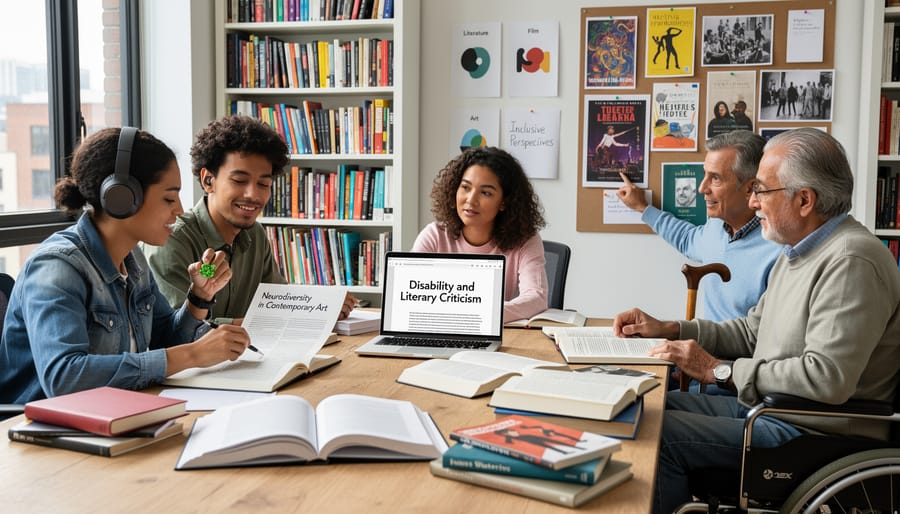
Publishers and cultural magazines are actively seeking fresh perspectives on disability culture across multiple formats. Book review sections increasingly welcome pitches analyzing disability representation in contemporary literature, particularly stories written by disabled authors. Several Canadian literary journals have recently posted calls for personal essays exploring the intersection of disability identity with other cultural experiences, much like how diverse voices are reshaping modern literature today.
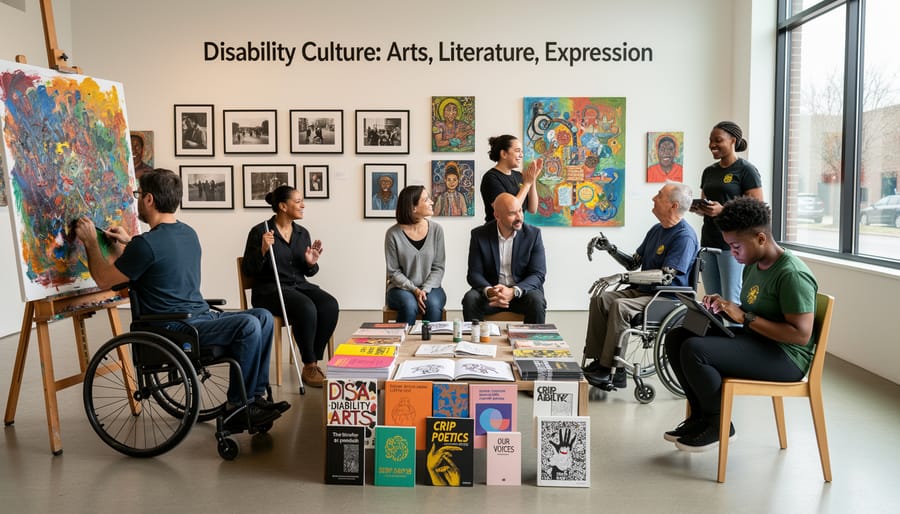
Feature article opportunities abound in arts and culture publications covering accessible theatre productions, disability-centered film festivals, and neurodivergent artists making waves in visual arts. Online magazines focused on social justice regularly seek explainer pieces about disability culture terminology and history.
Freelancer success story: Toronto writer Maya Chen recently landed a regular column with a national magazine after pitching a series on disabled creators in Canadian music scenes. Her advice? Start with smaller publications to build your portfolio, then approach larger outlets with proven expertise.
Check submission guidelines carefully, as many publications specifically request own-voices perspectives from disabled and neurodivergent writers for authenticity.
Why This Niche Can Boost Your Writing Income
Specializing in disability and culture can open doors you might not expect. This niche is growing steadily as publishers, media outlets, and organizations recognize the importance of authentic disability representation. When you develop expertise here, you position yourself as a go-to writer rather than competing in oversaturated markets.
The practical benefits are real. Many organizations now have dedicated budgets for disability-focused content, especially those working toward accessibility mandates and inclusive storytelling. Cultural institutions, magazines, and online platforms actively seek writers who understand disability culture beyond surface-level perspectives. This demand often translates to better rates because you’re offering specialized knowledge.
You’ll also find more consistent work opportunities. Once you establish yourself in this niche, editors remember you for relevant assignments. Sarah Chen, a Toronto-based freelancer, shares that after publishing three disability culture pieces, she became her editor’s first call for related stories. Her income from this specialty increased by forty percent within a year.
The key is building genuine understanding and connections within disability communities. This authenticity makes your pitches stronger and your writing more compelling, which naturally leads to more assignments and higher-paying clients who value quality, informed perspectives.
Understanding Disability Culture Beyond Stereotypes
The Language That Opens Doors (And the Words That Close Them)
Language matters deeply when writing about disability. The good news? Once you understand the basics, you’ll communicate with confidence and respect.
Person-first language puts the person before the disability: “person with a disability” or “writer who uses a wheelchair.” This approach emphasizes humanity first. Identity-first language flips this: “disabled person” or “autistic writer.” Many disability community members prefer identity-first because disability is an integral part of their identity, not something separate.
Here’s the key: there’s no universal answer. The autism community often prefers identity-first language, while many others favour person-first. When writing profiles or interviews, ask your subject directly. For general articles, consider using both approaches or defaulting to what major disability organizations use.
Avoid ableist terminology that’s crept into everyday language. Replace “confined to a wheelchair” with “uses a wheelchair” (wheelchairs provide freedom, not confinement). Swap “suffers from” with “has” or “lives with.” Skip metaphors like “falling on deaf ears” or “turning a blind eye” that use disability as negative imagery.
When exploring disability representation alongside cultural symbols in literature, remember that language evolves. Follow disability-led publications, join online communities, and stay current with terminology preferences.
Toronto freelancer Maya Chen shares her success: “After learning proper terminology, my pitches to disability-focused publications improved dramatically. Editors noticed my care and cultural competence.”
Your willingness to learn this language demonstrates professionalism and opens doors to meaningful writing opportunities.
Neurodiversity: What Writers Need to Know
Neurodiversity celebrates the natural variations in how our brains work. This framework recognizes that conditions like autism, ADHD, dyslexia, and other neurological differences aren’t deficits to fix, but valuable variations in human cognition. For writers, understanding neurodiversity opens doors to richer cultural commentary and more authentic storytelling.
Autistic individuals often bring exceptional pattern recognition and deep focus to specific interests. People with ADHD frequently excel at creative thinking and making unexpected connections. Those with dyslexia may demonstrate strong visual-spatial reasoning and innovative problem-solving. These strengths contribute meaningfully to arts, science, and yes, writing itself.
When covering neurodiversity in your work, embrace strengths-based language. Rather than focusing solely on challenges, highlight how neurodivergent people navigate the world differently. Many successful writers, journalists, and cultural critics are neurodivergent themselves, bringing unique perspectives that enrich our understanding of culture and society.
This growing awareness has created opportunities for freelancers who can write knowledgeably about neurodiversity. Publications increasingly seek contributors who understand these communities from the inside or who’ve done the work to portray neurodivergent experiences accurately and respectfully. Your commitment to learning about neurodiversity can set you apart in this expanding market.
How to Write Authentically About Disability in Cultural Contexts
The Research Methods That Build Credibility
Building credibility in disability writing starts with engaging directly with disabled and neurodivergent voices. This foundation creates authentic representation and helps you avoid common pitfalls.
Start by following disability-led publications like Disability Visibility Project, Rooted in Rights, and The Body Is Not an Apology. These platforms regularly publish cultural criticism written by disabled writers who offer invaluable perspectives. For Canadian content, check out Abilities Magazine and initiatives from the Council of Canadians with Disabilities.
Podcasts offer another accessible entry point. Listen to Disability After Dark, The Accessible Stall, and 1in5 to hear conversations about disability culture in authentic voices. These shows often highlight emerging writers and cultural critics worth following.
On social media, seek out disabled activists, writers, and cultural commentators. Many generously share their insights and recommend reading lists. Twitter and Instagram host vibrant disability communities where cultural conversations happen daily.
Remember: consuming this content isn’t just research, it’s ongoing education. Subscribe to newsletters, support disabled creators through Patreon, and purchase books by disabled authors. This investment enriches your writing while supporting the community you’re representing. The more you engage with these voices, the stronger your cultural writing becomes.
When (And How) to Include Your Own Experience
If you’re a writer with disabilities, your lived experience is valuable—but you get to decide when and how to share it. Personal perspectives can strengthen cultural commentary, memoirs, and advocacy pieces, bringing authenticity that readers appreciate. However, you’re never obligated to disclose your disability status or make every piece autobiographical. Set clear boundaries about what feels comfortable sharing, especially when pitching to editors you don’t know well.
When you do include personal experience, anchor it within the broader cultural context. Your story becomes a lens through which readers understand larger systemic issues, not just an individual narrative. This approach positions you as an expert commentator, not simply a subject.
For non-disabled writers, the question is different: Can you write about disability culture? Yes, but with important caveats. Avoid speaking for disabled communities or claiming expertise you don’t have. Instead, amplify disabled voices through interviews, collaborations, and careful citation. Commission disabled sensitivity readers for your work. Recognize that some stories—particularly first-person narratives about disability experience—aren’t yours to tell.
Success in this niche comes from building genuine relationships within disability communities, staying humble, and recognizing when to step back. Whether you’re disabled or not, always ask: Who benefits from this story? Whose voices am I centering? These questions guide ethical, impactful cultural writing.
Common Pitfalls to Avoid in Your Pitches and Drafts
The biggest mistake? Writing about disabled people as either inspiring for doing everyday things or as tragic victims. Inspiration porn—showing disabled individuals as heroic for simply existing—might feel positive, but it reduces real people to motivation for able-bodied readers. Editors reject these pitches regularly.
Similarly, avoid the “overcoming disability” narrative that suggests disability is something to defeat rather than a natural part of human diversity. Toronto writer James Chen landed his first cultural feature by reframing a musician’s story. Instead of “despite being deaf,” he explored how sign language influenced their songwriting process—a fresh angle editors loved.
Other harmful tropes include the “magical disability” (where impairment grants special powers) and “better off dead” storylines. Replace these with nuanced profiles that centre disabled people’s actual experiences, creative work, and cultural contributions.
What editors want: authentic voices, community perspectives, and stories where disability intersects meaningfully with art, literature, or social movements. Vancouver-based disability arts magazines specifically request pitches from writers who interview disabled artists about their creative process, not their medical history. Focus on culture, not cure narratives, and you’ll stand out.
Finding Paid Opportunities in Disability-Focused Cultural Writing
Canadian Publications Actively Seeking This Content
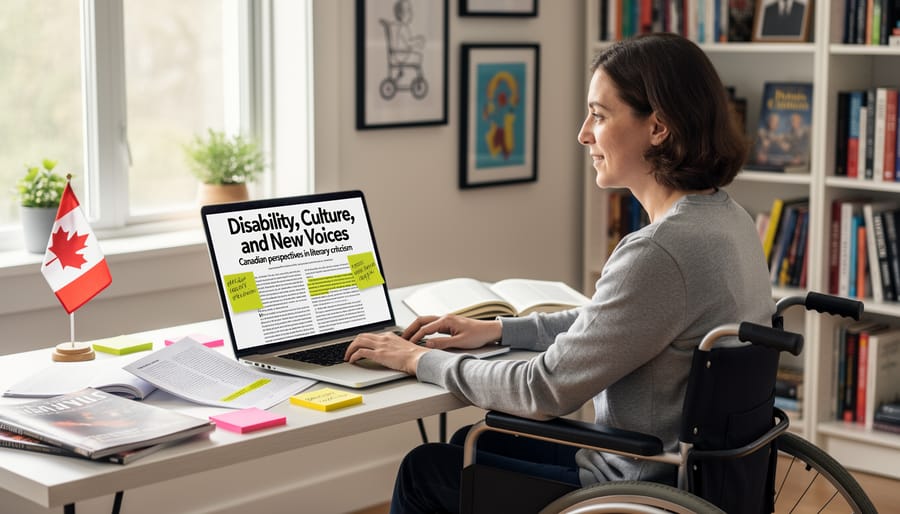
Several Canadian publications actively welcome submissions exploring disability and culture. Here’s where to direct your pitches:
The Fiddlehead, a respected literary journal from New Brunswick, regularly features disability narratives and pays contributors. They appreciate thoughtful essays and creative work that explores lived experiences.
Geist magazine embraces cultural commentary with a creative edge. Their fact-based storytelling often includes disability perspectives, and they’re known for supporting emerging writers.
Briarpatch Magazine focuses on social justice reporting and frequently publishes disability rights content. They welcome pitches about accessibility, advocacy, and cultural representation.
Canadian Dimension offers opportunities for writers exploring disability politics and cultural issues. They value intersectional approaches and critical analysis.
Room magazine, dedicated to feminist literature, actively seeks submissions from disabled writers and about disability experiences. Their commitment to diverse voices makes them an excellent match.
carte blanche regularly features disability arts and culture content, paying particular attention to innovative narrative approaches.
When submitting, research each publication’s specific guidelines carefully. Most prefer query letters before full submissions. Highlight your unique perspective and explain why your piece fits their readership. Many editors appreciate when writers with disability experience share personal insights, though allies writing responsibly are also welcome. Response times typically range from six weeks to three months, so remain patient and keep pitching elsewhere simultaneously.
How to Pitch Disability Culture Stories That Sell
A strong pitch for disability culture stories starts with specificity. Instead of proposing “an article about disabled authors,” try “how three Deaf Canadian poets are revolutionizing spoken word performance through ASL poetry slams.” Editors want fresh angles that haven’t been covered repeatedly.
Your pitch should include these essential elements: a compelling hook that demonstrates why this story matters now, your unique access or perspective (perhaps you’re part of the disability community or have built trusted sources), and clear publication fit. Research the outlet’s previous disability coverage to show you understand their audience.
Consider pitches that explore intersections: disability and Indigenous storytelling, accessibility innovations in Canadian theatre, or how disabled creators are using TikTok to challenge ableist narratives in popular culture. These multifaceted angles tend to resonate with editors.
Keep your pitch concise, typically 150-250 words. Lead with your strongest element whether that’s an upcoming event, new research, or a timely cultural moment. Include 2-3 questions your article will answer and mention potential sources.
Remember, publications increasingly recognize that disability stories aren’t niche they’re universal human experiences that enrich cultural conversations. Your pitch should reflect this understanding while offering something genuinely new to readers.
Success Stories: Canadian Writers Making It Work
Canadian writers are proving that disability and neurodiversity perspectives aren’t just necessary in cultural writing—they’re marketable. Here are a few inspiring examples of how writers are building sustainable careers in this space.
Toronto-based journalist and essayist Eliana Cohen started pitching disability culture pieces to mainstream publications after years of writing in other niches. Her strategy? Focus on intersections. “I don’t just write about disability in isolation,” she explains. “I write about disability and fashion, disability and food culture, disability and technology. Editors love the fresh angle, and it positions me as someone who can bring depth to their cultural coverage.” Within two years, she’s become a regular contributor to several national magazines and has doubled her freelance income.
Vancouver writer Marcus Chen took a different approach, building expertise around neurodiversity in creative industries. After being diagnosed with ADHD as an adult, he began writing about neurodivergent experiences in film, music, and literature. “I started with smaller publications and built a portfolio,” he shares. “Now I get approached directly by editors looking for someone who understands both the cultural landscape and the lived experience.” His advice? Don’t wait for permission to be an expert. If you have the perspective and you’re willing to do the research, start pitching.
Montreal’s Sophie Landry combined her background in theatre criticism with disability advocacy, carving out a niche reviewing accessible performances and interviewing disabled artists. She monetizes her expertise through multiple streams: freelance articles, consulting with arts organizations on accessibility, and speaking engagements. “The key is recognizing that your perspective has value beyond just article writing,” she notes.
These writers prove that success comes from authenticity, strategic positioning, and persistence.
The intersection of disability and culture represents more than just a writing niche—it’s a chance to contribute to meaningful conversations while building a sustainable freelance career. Whether you’re just starting out or you’re a veteran writer looking to expand your portfolio, this field welcomes diverse voices and perspectives.
Your first step doesn’t need to be perfect. Start by reading work from disabled writers and cultural critics. Follow disability-focused publications on social media. Attend a virtual panel discussion. Small actions build momentum and confidence. When you’re ready to pitch, remember that editors in this space value authenticity and willingness to learn over perfection.
Consider starting with a personal essay that connects to your own experiences, or research a cultural phenomenon through a disability lens. Many Canadian publications actively seek fresh perspectives on disability culture, and your unique voice matters. The demand for thoughtful, nuanced writing about disability continues to grow across magazines, literary journals, and online platforms.
This isn’t just about finding paid work—though that’s absolutely important and achievable. It’s about joining a community of writers who believe that cultural narratives are richer, more accurate, and more human when they include disability perspectives. Your writing can open doors, challenge assumptions, and create space for stories that need telling. The opportunity is here. Take that first step today.