

Verify every claim before publishing your content using dedicated fact-checking websites like Snopes, FactCheck.org, and PolitiFact to build credibility with editors and readers. These platforms serve as your research partners, helping you confirm statistics, quotes, and events within minutes rather than hours of independent verification.
Cross-reference information across multiple fact-checking sites when working on controversial or politically sensitive topics, as each platform brings different expertise and verification methods. This multilayered approach protects your reputation and demonstrates the thoroughness editors value in freelance contributors.
Bookmark fact-checking tools that specialize in your niche—whether that’s health claims through Health Feedback, science stories via Science Feedback, or image verification through reverse image search engines like TinEye. Specialized resources catch errors general fact-checkers might miss and position you as a detail-oriented professional.
Integrate fact-checking into your writing workflow from the research phase forward, not just during final edits. This practice prevents you from building entire drafts around inaccurate information, saving valuable time and reducing the frustration of extensive rewrites. Many successful freelance writers report that consistent fact-checking has become their competitive advantage, leading to repeat clients and higher-paying assignments.
For Canadian writers navigating the evolving media landscape, fact-checking sites represent an essential quality control system that strengthens your work while building the trust necessary for long-term freelance success. These platforms transform you from a content producer into a reliable information professional that publications actively seek.
What AI Fact-Checking Sites Actually Do
AI fact-checking sites represent a new category of digital tools that work differently from traditional human-led fact-checking organizations. While traditional fact-checkers like Snopes or PolitiFact rely on journalists to manually research and verify claims, AI-powered platforms use algorithms and machine learning to quickly scan content, identify potential inaccuracies, and trace sources.
These platforms serve several key functions in today’s content landscape. First, they analyze written text to detect factual claims that might need verification. Second, they cross-reference statements against vast databases of verified information and credible sources. Third, many provide attribution tracking, showing where information originated and whether sources are reliable. Some platforms even flag potentially misleading or unverified content before it gets published.
For Canadian freelance writers, understanding these tools is essential because they’re becoming increasingly common in editorial workflows. Many publishers and clients now use AI fact-checking as a first-pass quality control measure, similar to how AI writing tools have become standard for various writing tasks.
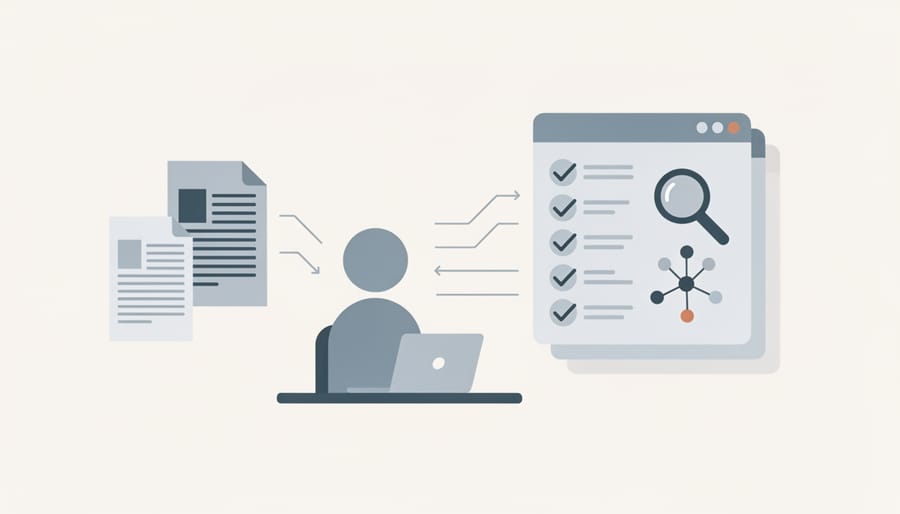
The good news? These platforms aren’t designed to replace writers or human fact-checkers. Instead, they handle the time-consuming initial verification work, flagging potential issues that human experts then review. Think of them as research assistants rather than replacements. They excel at quickly processing large volumes of information and identifying obvious errors or unsupported claims, but they still require human judgment to interpret context, understand nuance, and make final determinations about accuracy.
For writers, this means your critical thinking skills and ability to craft compelling, well-sourced content remain invaluable. These tools simply help you work more efficiently and confidently.
How These Platforms Impact Your Freelance Writing Career
The Quality Bar Just Got Higher
Here’s the reality: AI fact-checking tools have changed what clients expect from you. When editors know they can run your work through sophisticated verification systems in seconds, they’re less forgiving of loose sourcing or shaky claims. The bar for accuracy has definitely risen.
But here’s the encouraging part—this shift actually works in your favor if you embrace it. Clients now value writers who proactively verify their facts and cite credible sources. This means the writers who take accuracy seriously will stand out more than ever before.
In your daily work, this translates to building better habits. Bookmark reputable sources in your niche. Keep a running list of go-to databases and official sites. When you make a claim, ask yourself if you could defend it with solid evidence. Many successful Canadian freelancers report that incorporating quick fact-checking into their writing process—rather than treating it as a separate step—has actually sped up their workflow and reduced revision requests.
Think of it this way: clients are investing in quality over speed, and that creates more opportunities for skilled writers who deliver reliable, well-researched content. The freelancers thriving today are those who see higher standards as a chance to demonstrate their value, not as an obstacle.
New Skills That Set You Apart
As fact-checking becomes more important in the writing industry, you’ll want to build skills that complement these verification tools rather than compete with them. Think of yourself as the expert curator and critical thinker that technology still can’t replace.
Start by developing strong source evaluation abilities. While AI language tools can flag potential misinformation, you need the judgment to assess credibility, spot bias, and understand context. Learn to trace information back to primary sources and identify red flags in questionable claims.
Next, cultivate expertise in specific niches. Becoming a subject matter specialist in areas like health, finance, or technology makes your work more valuable because you bring insider knowledge that automated systems can’t match. Your ability to recognize nuanced inaccuracies or outdated information becomes your competitive edge.
Finally, strengthen your analytical writing skills. Clients increasingly need writers who can synthesize fact-checked information into compelling narratives that engage readers while maintaining accuracy. This combination of verification, interpretation, and storytelling creates content that stands out in a crowded marketplace and positions you as an indispensable partner in the content creation process.
Fresh Job Opportunities Emerging
The rise of AI fact-checking platforms is creating exciting new opportunities for Canadian freelance writers who are willing to adapt and grow. Content verification specialists are now in high demand, working alongside AI tools to review flagged content, provide context, and make final judgment calls that machines simply can’t. These roles combine traditional research skills with an understanding of how AI systems work.
AI-assisted research writers are also emerging as a valuable niche. These writers use fact-checking platforms to speed up their research process, then craft compelling narratives that go beyond what automated systems can produce. Think of it as having a research assistant that never sleeps, allowing you to focus on the creative and analytical aspects that make your writing uniquely human.
Freelancers who position themselves as experts in using these tools are landing contracts with media outlets, marketing agencies, and educational institutions. One Toronto-based writer increased her income by 40 percent after specializing in verified content creation, combining AI fact-checking with her journalism background.
The key is viewing these platforms as collaborators rather than competitors. By developing skills in prompt engineering, source evaluation, and AI tool management, you’re not just staying relevant—you’re becoming more valuable in a marketplace that increasingly prizes accuracy and efficiency.

Making AI Fact-Checking Work For You (Not Against You)
Building Your Credibility With Verified Sources
Using fact-checking sites isn’t just about catching errors before you hit send—it’s about positioning yourself as a writer who delivers reliable, trustworthy content. When you verify information through established platforms like Snopes, PolitiFact, or FactCheck.org, you’re building a reputation that sets you apart in a crowded marketplace.
Start incorporating fact-checking into your writing process and let clients know you do it. When pitching, mention that all claims in your work are verified against multiple sources. This simple practice demonstrates professionalism and attention to detail that clients truly value.
Consider the experience of Toronto-based freelancer Maya Chen, who started adding a line to her proposals: “All factual claims verified through independent fact-checking resources.” She noticed an immediate shift in client confidence, landing three long-term contracts within two months. Clients appreciated knowing their content wouldn’t expose them to credibility issues.
Make fact-checking part of your standard workflow. Before submitting any piece with statistics, dates, or claims, run a quick verification through reputable platforms. This habit protects both you and your clients while strengthening your professional standing. When you can confidently say your work is thoroughly vetted, you’re not just another writer—you’re a trusted content partner who takes accuracy seriously.
Speeding Up Research Without Sacrificing Quality
AI-powered fact-checking tools can dramatically reduce your research time when used strategically. The key is integrating them into your workflow as a first pass rather than your final authority. Start by running your draft through an AI fact-checker to identify claims that need verification. This gives you a roadmap of what to investigate further, saving hours of aimless searching.
Think of AI fact-checkers as research assistants that flag potential issues. When the tool highlights a questionable statistic or claim, use it as a prompt to dig deeper using primary sources, academic databases, or expert interviews. This two-step approach combines speed with accuracy.
Many successful freelancers pair fact-checking platforms with NLP tools to create a streamlined verification process. They spend less time on routine fact-checking and more time on creative work that showcases their unique voice and expertise.
Set boundaries for yourself: use AI to verify straightforward facts like dates, statistics, and publicly available information, but always manually verify sensitive topics, controversial claims, or anything that could significantly impact your credibility. This balanced approach maintains your editorial integrity while helping you deliver quality work faster, making you more competitive and profitable as a freelancer.
When to Trust AI and When to Double-Check
AI fact-checking tools are powerful allies, but they work best when paired with your own judgment. Think of them as your first line of defense rather than your final authority. These platforms excel at catching obvious errors, verifying basic statistics, and flagging potentially problematic claims. They’re particularly reliable for checking dates, proper nouns, and widely documented facts.
However, exercise caution with nuanced topics, recent events, and context-dependent statements. AI can miss subtle misinformation or fail to grasp cultural nuances that you, as a writer, naturally understand. Always double-check controversial claims, specialized industry information, and anything that seems surprising or counterintuitive.
A helpful rule of thumb: if a fact is critical to your article’s credibility or could harm someone if incorrect, verify it through multiple sources beyond AI. Cross-reference with reputable publications, official databases, or expert sources. Many successful freelancers adopt a hybrid approach, using AI for preliminary checks while reserving their own research skills for the heavy lifting.
Remember, your critical thinking skills are irreplaceable. AI fact-checkers are tools that enhance your work, not substitutes for your professional judgment. This combination of efficiency and human insight is what sets quality writers apart and keeps clients coming back.

Real Writers, Real Results
Meet Sarah Chen, a Toronto-based content writer who was initially skeptical about AI fact-checking platforms. Two years ago, she spent hours manually verifying claims in her health and wellness articles, which limited her to just two major pieces per week. After incorporating AI-powered fact-checking tools into her workflow, everything changed. Sarah now completes thorough research and verification in half the time, allowing her to take on four well-paying projects weekly. Her income increased by 65%, and she recently landed a long-term contract with a major Canadian health publisher who specifically valued her commitment to accuracy and quick turnaround times.
Vancouver writer Marcus Thompson shares a similar story. As a freelancer covering tech and business topics, he struggled to compete with larger content agencies. When he started using fact-checking platforms to enhance his work quality, he noticed something remarkable. Clients began commenting on the reliability of his sources and the thoroughness of his research. Marcus started pitching himself as a writer who delivers verified, trustworthy content, which resonated with businesses concerned about misinformation. Within six months, he raised his rates by 40% and attracted premium clients willing to pay more for credible content.
Halifax-based beginner writer Emma Rodriguez found these tools especially helpful when starting out. Without years of experience knowing where to find reliable sources, she felt overwhelmed by research demands. AI fact-checking platforms gave her confidence and taught her to recognize credible information. Emma secured her first regular client after demonstrating how she verifies every claim in her articles.
These writers discovered that fact-checking technology isn’t replacing them. Instead, it’s amplifying their value by helping them deliver more accurate work faster, positioning them as professionals who take quality seriously in an era where trust matters more than ever.
Your Next Steps
Ready to embrace AI fact-checking in your freelance practice? Start by exploring free tools like Google’s fact-checking features and Microsoft’s Editor to familiarize yourself with how AI verification works. Sign up for platforms like Grammarly’s free version to see real-time fact suggestions in action. These experiences will help you understand what clients expect when they request AI-assisted fact-checking.
Focus on developing complementary skills that AI can’t replicate. Strengthen your ability to verify sources, conduct original interviews, and add contextual analysis that machines miss. Learn to use collaborative writing tools that integrate fact-checking features, making you more efficient without sacrificing accuracy.
When marketing yourself, highlight your hybrid approach. Update your portfolio and LinkedIn profile to showcase how you combine AI efficiency with human judgment. Pitch potential clients with phrases like “AI-enhanced fact-checking for faster turnaround” or “Human-verified accuracy with cutting-edge tools.” Many Canadian businesses need writers who understand both technology and nuanced fact-verification, especially in sensitive industries like healthcare, finance, and legal writing. Position yourself as the bridge between innovation and reliability, and you’ll stand out in today’s competitive market.