

Calculate your base editorial rate by researching current market standards – experienced Canadian freelance editors typically charge between $40-80 per hour for substantive editing and $30-50 for proofreading. Track every minute spent on sample projects for two weeks to determine your actual working speed and efficiency. Factor in your expertise level, project complexity, and client budget when setting rates – specialized knowledge in technical, medical, or academic editing commands premium pricing of $60-100+ per hour. Adjust your rates quarterly based on demand, client feedback, and your growing portfolio of work.
These numbers represent real market conditions in 2024, but your unique combination of skills and experience should guide your final pricing decisions. Remember that consistent, quality work often matters more than hitting the highest possible rates – building a sustainable freelance editing business requires finding the sweet spot between competitive pricing and fair compensation for your expertise.
Whether you’re just starting out or looking to optimize your existing rates, approaching pricing with data-driven confidence helps establish long-term client relationships built on clear value. The key is starting with industry benchmarks while developing your own pricing structure that reflects your true worth in the marketplace.

Current Editorial Rate Trends in Canada
Developmental Editing Rates
Developmental editing rates in Canada typically range from $50 to $80 per hour, with experienced editors commanding up to $100 or more. For manuscript-based pricing, editors generally charge between $0.02 to $0.05 per word. A full developmental edit of a standard 80,000-word novel might cost anywhere from $1,600 to $4,000.
Most developmental editors offer both hourly and per-word rates, giving authors flexibility in choosing what works best for their budget. For a comprehensive manuscript evaluation, which includes a detailed editorial letter and margin comments, expect to pay between $500 and $1,500, depending on manuscript length and complexity.
Remember that these rates reflect the substantial time investment required for developmental editing. A thorough edit involves multiple read-throughs, story analysis, character development feedback, and plot restructuring suggestions. Many editors offer payment plans or sliding scales for first-time authors.
When setting your rates as a developmental editor, consider your experience level, specialized knowledge, and the current market demand. Starting editors might begin at the lower end of the range and gradually increase their rates as they build their portfolio and client base.
Copy Editing and Line Editing Rates
Copy editing and line editing rates in Canada typically range from $30 to $60 per hour, depending on experience level and project complexity. For per-word pricing, editors commonly charge between $0.02 to $0.05 per word for basic copy editing and $0.05 to $0.09 per word for detailed line editing.
Experienced editors working with specialized content, such as technical manuals or academic papers, often command higher rates, reaching up to $75 per hour. Many successful editors find that packaging their services works well, offering flat rates for projects based on word count ranges.
For newcomers to the field, starting rates around $25-30 per hour or $0.02 per word help build a client base while gaining experience. As you develop expertise and a strong portfolio, gradually increase your rates to match market standards.
Remember that these rates reflect the detailed nature of copy and line editing work, which includes checking grammar, punctuation, consistency, clarity, and flow. When setting your rates, consider factors like project deadline, subject matter complexity, and the level of editing required.
Many Canadian editors successfully negotiate rush fees of 20-25% for tight deadlines and offer discounts for long-term contracts or bulk projects.
Proofreading Rates
Proofreading rates in Canada typically range from $30 to $50 per hour, with experienced professionals commanding higher fees. For project-based work, expect to charge between $0.02 to $0.05 per word. New freelancers often start at the lower end of this range, gradually increasing their rates as they build expertise and a solid client base.
Many proofreaders prefer to quote per project rather than hourly, considering factors like technical complexity, turnaround time, and document length. For academic texts, rates tend to be 15-20% higher due to the specialized knowledge required. Rush jobs typically warrant a 25-50% premium.
When setting your proofreading rates, consider your experience level, the project’s scope, and your target market. Corporate clients generally have larger budgets than individual authors or students. Remember to factor in your business overhead costs and desired income when calculating your rates.
Setting Your Editorial Rates
Experience-Based Pricing
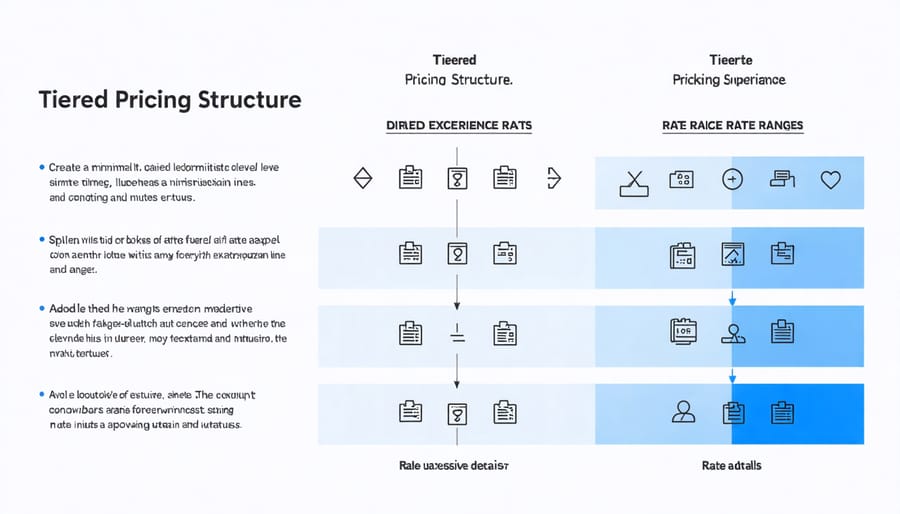
Your experience level plays a crucial role in determining your editorial rates. As you gain expertise, your value increases, and your pricing should reflect this growth. Beginners with less than two years of experience typically start at the lower end of the rate spectrum, around $25-35 per hour. This allows you to build your portfolio while gaining valuable experience.
Mid-level editors with 2-5 years of experience can confidently charge $35-50 per hour. At this stage, you’ve likely developed specialized skills and have a solid track record of successful projects. Your efficiency has improved, and you can handle more complex assignments.
Veteran editors with over 5 years of experience often command $50-100+ per hour. Your deep industry knowledge, specialized expertise, and proven reliability justify these premium rates. Many experienced editors also develop niches in specific genres or subject matters, allowing them to charge even higher rates for their specialized knowledge.
Remember that these are general guidelines. Your actual rates should also consider factors like your education, specialized training, and the specific demands of each project. Don’t be afraid to adjust your rates upward as you gain more experience and expertise in your field.
Project Complexity Factors
When setting your editorial rates, certain project factors can justify charging premium prices. Complex technical content, such as medical or legal documents, requires specialized knowledge and extra attention to detail. Similarly, rush jobs with tight deadlines often warrant a higher rate due to the increased pressure and potential need to reorganize your schedule.
Documents requiring extensive research or fact-checking should command higher rates, as should those needing multiple rounds of revision. If you’re working with content in Canadian French or other languages, this additional expertise should be reflected in your pricing.
The format and condition of the original material also matters. Poorly written content that needs substantial developmental editing will require more time and effort than well-structured documents needing only light copyediting. Working with unusual file formats or managing multiple stakeholders can add complexity to your workflow.
Consider charging more for projects involving style guide creation, editorial team coordination, or training responsibilities. Special formatting requirements, such as preparing documents for accessibility standards or specific publication guidelines, also justify higher rates. Remember, these complexity factors reflect the value of your expertise and the additional time investment required to deliver quality work.
Market Position Strategy
Positioning yourself effectively in the freelance editing market requires a strategic blend of confidence and market awareness. Start by conducting thorough research on your target clients and their specific needs. Are you focusing on academic editing, business documents, or creative manuscripts? Each niche demands different expertise levels and commands different rates.
Consider developing a unique value proposition that sets you apart from other editors. This could be specialized knowledge in technical fields, experience with specific writing styles, or exceptional turnaround times. Remember that increasing your professional income often comes down to how well you communicate your value to potential clients.
Create a professional portfolio showcasing your best work and client testimonials. This evidence of your expertise can justify higher rates and attract quality clients. Consider offering tiered services – from basic proofreading to comprehensive developmental editing – to capture different market segments.
Stay connected with professional editing associations and network with other freelancers to keep pulse of market trends. This intelligence helps you adjust your rates and services to remain competitive while maximizing your earning potential. Remember, successful positioning is about finding the sweet spot between what the market will bear and what your expertise is worth.
Negotiating Better Rates
Value Communication
Communicating your value to clients goes beyond simply stating your rates – it’s about crafting a compelling narrative around your expertise and the results you deliver. Start by developing a clear, professional pitch that highlights your specialized skills, industry experience, and track record of successful projects. In today’s market, staying informed about emerging industry trends can help you position yourself as a forward-thinking professional.
When discussing rates with potential clients, focus on the return on investment you provide. For example, emphasize how your keen eye for detail can prevent costly errors, or how your efficient workflow saves valuable production time. Share specific examples of how your editorial work has improved content quality, increased engagement, or helped achieve business objectives.
Create a professional portfolio that showcases your best work, client testimonials, and measurable results. Consider developing case studies that demonstrate the transformation of content through your editorial expertise. When presenting your rates, frame them in terms of value delivered rather than time spent – clients are more likely to appreciate your fees when they understand the tangible benefits they’re receiving.
Remember to maintain confidence in your pricing discussions. Your rates reflect not just your time, but your accumulated expertise, professional development, and the quality assurance you bring to every project.
Rate Increase Strategies
Raising rates with existing clients can feel daunting, but it’s an essential part of growing your freelance business. The key is to approach the conversation professionally and confidently. Start by giving clients advance notice – ideally 30-60 days before implementing new rates. This shows respect for their budgeting process and gives them time to adjust.
Document your growing expertise, additional certifications, or expanded services that justify the increase. When communicating the change, focus on the value you provide rather than just the numbers. For example, highlight how your enhanced skills or efficiency benefit their projects.
Consider using the anniversary method – raising rates annually on a specific date. This creates a predictable pattern that clients can anticipate. Start with modest increases of 5-10% to maintain client relationships while gradually reaching your target rate.
For long-term clients, offer a transitional period or grandfather their existing projects at the current rate while applying new rates to additional work. This approach helps preserve valuable relationships while moving toward better compensation.
Remember that most clients expect reasonable rate increases over time. If you’ve consistently delivered quality work, they’re likely to understand the adjustment. Be prepared to negotiate but know your bottom line. Some clients may need to part ways, but this creates space for new opportunities at your desired rates.
Always get rate changes in writing and update your service agreements accordingly. This maintains clear professional boundaries and prevents misunderstandings down the road.

Future Rate Trends
As we look ahead to the future of editorial freelance rates in Canada, several key factors are shaping the changing freelance landscape. The rise of artificial intelligence and automated editing tools, rather than threatening the industry, is actually creating new opportunities for editors who can combine traditional skills with technological expertise.
Remote work has expanded the client pool beyond geographical boundaries, allowing Canadian editors to access international markets while maintaining competitive rates. This global reach often translates to higher earning potential, particularly for specialists in technical, medical, or academic editing.
The growing demand for content across digital platforms suggests a positive trajectory for editorial rates. As businesses increasingly prioritize quality content, experienced editors who can demonstrate their value in improving content effectiveness are well-positioned to command premium rates.
Industry experts predict that specialized editing services, such as SEO optimization and UX writing review, will see the strongest rate growth. Editors who develop expertise in these emerging areas can expect to increase their rates by 15-25% annually.
The gig economy’s evolution is also working in favor of freelance editors. More companies are building flexible teams of freelancers, leading to longer-term contracts and more stable income streams. This shift often comes with better rates as businesses invest in maintaining relationships with reliable editorial partners.
For new editors entering the field, the outlook is encouraging. While entry-level rates may start modest, the clear path for growth through specialization and experience offers excellent potential for income advancement. Successful editors are increasingly combining traditional editing skills with content strategy expertise, allowing them to position themselves as valuable partners rather than just service providers.
To maximize earning potential in this evolving market, editors should focus on developing niche expertise, building a strong online presence, and staying current with industry tools and trends. The future of editorial freelancing looks bright for those willing to adapt and grow with the industry.
Setting your editorial freelance rates is a journey that requires careful consideration, market awareness, and confidence in your professional worth. As we’ve explored throughout this article, successful rate-setting combines understanding current market standards, evaluating your expertise, and effectively communicating your value to potential clients.
Remember that your rates should reflect not just your time, but also your experience, specialized knowledge, and the quality of service you provide. Start by researching current market rates in your specific editorial niche, then consider your unique qualifications and the value you bring to each project.
Take these actionable steps to establish and maintain competitive rates:
– Regularly review and adjust your rates based on market trends
– Track your actual working hours to ensure profitability
– Build a strong portfolio to justify higher rates
– Network with other editors to stay informed about industry standards
– Develop clear pricing packages that showcase your services
Don’t be afraid to negotiate or turn down projects that don’t meet your minimum rate requirements. Remember that successful freelance editors continuously evolve their pricing strategies as they gain experience and expertise.
Start small if you’re new to the field, but plan for regular rate increases as you build your client base and enhance your skills. Your success as a freelance editor depends on finding the sweet spot between competitive pricing and sustainable income.
By implementing these strategies and maintaining professional standards, you’ll be well-positioned to build a thriving editorial freelance business with rates that reflect your true worth in the market.