

You’ve poured months into writing your ebook, only to watch pirated copies circulate online while payment from publishers takes weeks to arrive. Digital rights management software promises to protect your work, but blockchain-driven DRM takes this protection further by giving you direct control over who accesses your content and how you get paid.
Traditional DRM locks your ebooks behind corporate platforms that take substantial cuts and control pricing. Blockchain DRM flips this model by recording ownership and permissions directly on a decentralized ledger. When readers purchase your ebook, smart contracts automatically execute payment to your wallet within minutes, not months. You set the terms for sharing, resale rights, and even future royalties if someone passes along their copy.
The technology works like a digital certificate of authenticity attached to your file. Each transaction creates a permanent, transparent record that you can verify instantly. Readers buy directly from you or approved retailers, and the blockchain ensures no one can duplicate or distribute your work without triggering visible violations you can track.
For Canadian freelance writers building independent careers, this represents a shift from hoping publishers protect your interests to enforcing your own rights through code. Several platforms now offer user-friendly interfaces that require no technical knowledge, making blockchain DRM accessible whether you’re publishing your first ebook or your fiftieth.
The question isn’t whether this technology works, but whether it solves problems worth the learning curve. Understanding both the genuine advantages and current limitations helps you decide if blockchain DRM fits your publishing strategy.
The Problem Every Freelance Writer Faces With Digital Work
You’ve poured your heart into your ebook. Maybe it’s a collection of essays about growing up in small-town Ontario, or a practical guide to starting a freelance career in Canada. You hit publish, watch those first few sales roll in, and then something frustrating happens.
Your book appears on a file-sharing site. Someone’s selling pirated copies on a sketchy forum. You check your royalty statement and the numbers don’t quite add up to what you expected. Sound familiar?
This is the reality many Canadian freelance writers face once their digital work enters the marketplace. Piracy isn’t just a problem for big publishers – it directly impacts your income. When someone downloads your ebook for free instead of paying the $9.99 you’re charging, that’s money you’ll never see. For writers already juggling multiple projects to make ends meet, these losses add up quickly.
Then there’s the payment puzzle. You might wait months for royalty statements, only to discover unclear deductions or percentages that don’t match what you calculated. Some platforms hold payments until you reach a certain threshold, which can be tough when you’re trying to pay rent in Toronto or Vancouver.
Perhaps the most frustrating part is the loss of control. Once your work is out there, tracking where it goes and how it’s being used becomes nearly impossible. Is someone translating your work without permission? Are unauthorized editions floating around? You often won’t know until it’s too late.
Many writers also struggle with transparency. Publisher dashboards might show sales numbers, but verifying their accuracy feels like guesswork. You deserve to know exactly how your work performs and where your earnings come from – protecting your creative work matters just as much as creating it.
These challenges don’t mean you should stop publishing digitally. They simply mean you need better tools to protect your interests while sharing your stories with readers who genuinely want to support your work.

What Blockchain-Driven DRM Actually Means for Writers
Traditional DRM vs. Blockchain: What’s the Real Difference?
Traditional DRM systems were built with publishers in mind, not writers. Think of them as digital locks that publishers control—you hand over your ebook, they apply the protection, and you lose visibility into who’s reading your work and when payments actually happen. You’re essentially trusting intermediaries to handle everything correctly while waiting weeks or months for royalty statements that often feel like mysteries.
Here’s the fundamental shift: blockchain publishing security puts you in the driver’s seat. Instead of publishers controlling access and payments, blockchain creates a transparent system where you can see every transaction in real-time. When someone purchases your ebook, smart contracts automatically calculate and send your payment—often within minutes, not months.
Traditional DRM also creates frustrating experiences for legitimate readers. They buy your book but can’t read it on all their devices, or they lose access when they switch ebook platforms. Blockchain systems can offer more flexible protection that respects both your rights and your readers’ experience.
The real difference comes down to control and transparency. Traditional DRM requires you to trust the system. Blockchain lets you verify the system. You can track sales, confirm payments, and even adjust pricing or permissions without going through gatekeepers. For Canadian freelance writers who’ve felt powerless in traditional publishing arrangements, this represents a meaningful shift toward independence and fair compensation.
How It Protects Your Work Without Alienating Readers
Traditional DRM often frustrates readers with device limits, complicated access restrictions, and download headaches. The good news? Blockchain-based protection takes a friendlier approach that respects your readers while still safeguarding your work.
Think of it as moving from a locked vault to a smart, flexible system. Instead of restricting how many devices someone can use or blocking sharing entirely, blockchain creates a transparent record of ownership and usage. Your readers can access their purchased ebooks more freely, while you maintain visibility over how your work circulates.
Here’s the real advantage: readers appreciate the smoother experience. They’re less likely to seek pirated versions when legitimate purchases don’t feel punitive. Many blockchain platforms allow you to set your own permissions, letting you decide whether readers can lend ebooks to friends or read across unlimited devices.
This balanced approach actually strengthens your relationship with your audience. When readers feel trusted rather than restricted, they become loyal supporters who return for your next release. You’re protecting your income without creating barriers that push people away, which benefits everyone in the long run.
Real Benefits That Could Change Your Freelance Writing Career
Getting Paid Instantly (Not in 90 Days)
Traditional publishing means waiting months for royalties, and even self-publishing platforms can hold your earnings for 60 to 90 days. It’s frustrating when you need that income now, especially when freelancing.
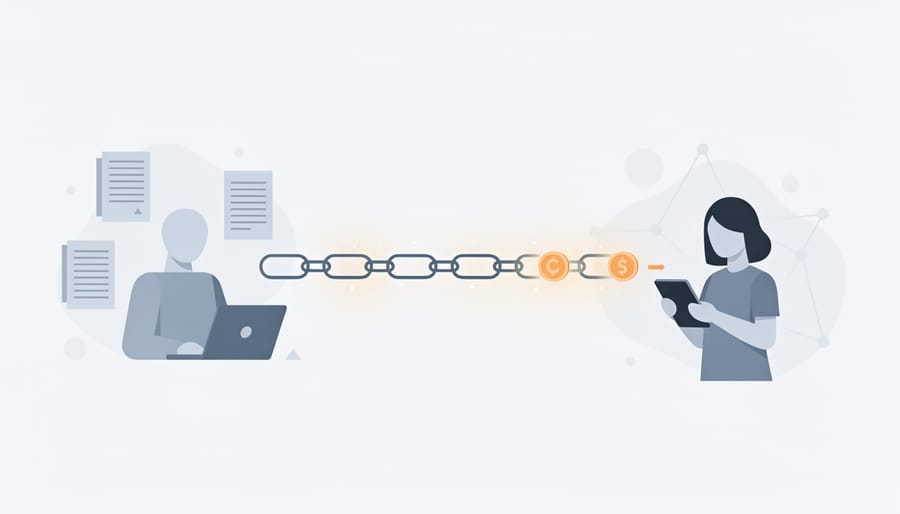
Smart contracts change this completely. When a reader purchases your ebook through blockchain-based platforms, the payment goes directly to your digital wallet within minutes, sometimes seconds. There’s no middleman holding your money, no payment processing delays, and no wondering when you’ll actually see your earnings.
Think of it like getting paid immediately after completing a freelance article, rather than waiting for net-60 payment terms. The technology automatically executes the transaction the moment someone buys your work.
This instant payment feature is particularly valuable for writers building their income streams. You can reinvest earnings quickly into marketing, cover design, or your next project. Several authors have shared that this immediate cash flow helped them transition to full-time writing faster than traditional publishing ever could.
The transparency is another bonus. You can see exactly how many copies sold and how much you earned in real-time, giving you better control over your writing business finances.
Seeing Exactly Where Your Work Goes
One of the most empowering aspects of blockchain-based DRM is the visibility it gives you into your work’s journey. Traditional publishing often leaves writers in the dark, waiting months for sales reports that may not tell the whole story. With blockchain systems, you can see transactions as they happen in real-time.
Imagine logging in and discovering your ebook just sold three copies in Australia overnight, or watching as readers in different countries discover your work throughout the day. This transparency isn’t just satisfying on a personal level—it’s incredibly valuable for your writing business. You’ll know which marketing efforts are actually working, which books resonate with readers, and where your audience lives.
Canadian writer Sarah Chen shared her experience: “After switching to a blockchain platform, I discovered my thriller series was hugely popular in Germany—something my previous publisher never mentioned. I was able to connect with those readers directly and build a loyal following.”
This real-time data helps you make smarter decisions about your writing career. You can identify trends, adjust your marketing strategy, and understand your true reach. No more guessing games or waiting for quarterly statements that raise more questions than they answer.
Keeping Control of Your Licensing Terms
Digital rights management software puts you in the driver’s seat. Instead of accepting publisher-dictated terms, you decide how readers can use your work. Want to allow sharing with up to five devices but prevent printing? You set that rule. Prefer to let readers share excerpts but block full copies? You control it.
These platforms eliminate the traditional gatekeepers between you and your readers. You can adjust pricing in real-time, offer regional discounts, or create special promotions without waiting for approval. When someone purchases your ebook, the smart contract automatically enforces your chosen terms.
This control extends to the growing digital publishing opportunities available today. Many Canadian writers are finding success by experimenting with different licensing models—subscription access, time-limited reading periods, or even pay-per-chapter options. The technology adapts to your creative business model, not the other way around.
Blockchain DRM Platforms You Can Actually Use Today
While blockchain DRM technology sounds futuristic, a handful of platforms are already working with writers today. Here’s an honest look at what’s actually available for Canadian authors right now.
Publica is probably the most writer-friendly option currently operating. This platform lets you publish ebooks directly to their marketplace while maintaining control over your rights and pricing. The interface is straightforward enough for non-technical writers, and they handle the blockchain aspects behind the scenes. Canadian writers can receive payments in traditional currency, which removes one major barrier. The downside? Their marketplace is still growing, so your audience reach won’t match Amazon or Kobo yet. Think of it as an experimental side channel rather than your primary sales platform.
Scenarex offers a different approach by focusing on tracking and licensing. It works more like smart content platforms you might already use, but with added blockchain verification for your ebook rights. This could be particularly valuable for writers who license content to multiple publishers or want permanent proof of ownership. The learning curve is moderate, and their support team actually responds to questions, which matters when you’re navigating new technology.
Authencity takes a hybrid approach that might appeal to traditionally published authors. They create blockchain certificates for your work while still allowing distribution through conventional channels. It’s less about selling directly and more about establishing verifiable ownership, which can help during contract negotiations or if rights disputes arise.
BookChain is worth mentioning for educational and academic writers. Their platform specializes in textbooks and professional publications, with features designed around institutional licensing rather than individual sales.
The reality check: these platforms are all works in progress. None will replace your existing publishing strategy tomorrow. However, they offer legitimate ways to experiment with blockchain protection while maintaining your current income streams. Start small, perhaps with one backlist title, and see how it performs before committing significant time or resources.
The Honest Challenges and Limitations Right Now
Let’s be real about where DRM software for ebooks stands right now. While the potential is exciting, we’re still in the early stages, and there are genuine hurdles to consider before diving in.
The biggest challenge? Reader adoption remains limited. Most readers still purchase ebooks through familiar platforms like Amazon or Kobo, and convincing them to try new systems requires a significant shift in habits. Think of it like learning to use collaboration platforms when email felt perfectly fine – change takes time, even when the new option offers real benefits.
The technical learning curve is another honest consideration. Setting up digital wallets, understanding how these systems work, and managing your content through unfamiliar interfaces can feel overwhelming, especially if you’re focused on writing rather than technology. Many platforms are improving their user experience, but they’re not quite as straightforward as traditional publishing routes yet.
Platform maturity varies widely across the space. Some services have been around for years with established track records, while others are newer experiments that might not stick around long-term. This creates legitimate questions about whether your work will remain accessible to readers five or ten years from now.
There’s also the reality that established publishers and major retailers haven’t widely embraced these systems yet. This means you might find yourself choosing between broader distribution through traditional channels or the enhanced control these newer platforms offer – not an easy decision when you’re building your writing career.
None of these challenges are insurmountable, and the technology continues improving rapidly. However, it’s important to go in with realistic expectations. These tools work best as part of a diversified strategy rather than your only distribution method. Understanding both the opportunities and limitations helps you make informed decisions about what works for your unique situation as a writer.

Should You Consider Blockchain DRM for Your Writing?
Deciding whether blockchain DRM makes sense for your writing career comes down to your specific situation and goals. Let’s walk through a practical framework to help you make an informed choice.
Blockchain DRM might be worth exploring if you’re already selling directly to your readers through your own website or platforms like Patreon. Writers who’ve built engaged communities around their work often find the most value here. The technology works especially well when you have a tech-savvy audience who appreciates transparency and wants to support creators directly. If you’re frustrated with delayed payments from traditional publishers or want more control over pricing and distribution, blockchain platforms could address those pain points.
That said, traditional DRM methods still work perfectly well for many writers. If you’re just starting out, focus your energy on building your audience and improving your craft first. The learning curve for blockchain platforms can be steep, and your time might be better spent on writing and marketing. Writers working primarily through established publishers or retailers like Amazon should stick with conventional systems, as these platforms already handle DRM effectively.
Consider your comfort level with technology too. Some blockchain platforms have become more user-friendly, but they still require more technical knowledge than uploading to traditional ebook stores. Success stories from writers using blockchain often involve those who enjoy experimenting with new tools and have time to learn the systems.
The key is making an informed choice rather than jumping on trends. Research specific platforms, read reviews from other writers, and perhaps test one project before committing fully. There’s no one-size-fits-all answer. What matters is finding the approach that supports your unique writing business and lets you focus on what you do best: creating compelling content for your readers.
Blockchain technology for ebooks is still finding its feet, and that’s okay. You don’t need to become a blockchain expert overnight or rush to adopt every new platform that launches. What matters most is that you stay informed as this technology evolves, because it has real potential to give writers more control over their digital rights and earnings.
Keep your focus where it belongs: on creating compelling work and building a sustainable freelance career. Monitor developments in blockchain DRM, but don’t let the fear of missing out distract you from honing your craft and connecting with readers. The best technology in the world can’t replace great storytelling and strong writing fundamentals.
As blockchain solutions mature and become more user-friendly, you’ll be ready to make informed decisions about which tools serve your needs. Start small if you’re curious—experiment with one platform, test how it works for a single ebook, and learn from the experience.
Remember, every step you take to understand your digital rights puts more power in your hands as a creator. Stay curious, keep learning, and don’t be afraid to ask questions. Your work deserves protection, and you deserve fair compensation for your talent and effort.