

LGBTQ+ sensitivity training transforms workplace cultures and empowers writers to create truly inclusive content that resonates with diverse audiences. As Canadian organizations increasingly prioritize diversity and inclusion, mastering LGBTQ+-inclusive communication has become essential for professional growth and market relevance. Forward-thinking writers who develop these skills consistently report stronger client relationships, expanded project opportunities, and deeper engagement with their readers.
This specialized knowledge helps writers navigate complex topics with confidence, respect, and authenticity – critical skills in today’s competitive freelance marketplace. From crafting inclusive language guidelines to understanding proper terminology and representation, LGBTQ+ sensitivity training equips content creators with practical tools to produce work that reflects modern Canadian values and connects meaningfully with all readers.
By investing in LGBTQ+ sensitivity training, writers demonstrate their commitment to professional excellence while contributing to a more inclusive and welcoming media landscape. This expertise isn’t just about avoiding mistakes – it’s about creating content that truly celebrates and honors human diversity.
Why LGBTQ+ Sensitivity Matters in Freelance Writing

Building Trust with LGBTQ+ Audiences
Building authentic connections with LGBTQ+ audiences starts with demonstrating genuine respect and understanding through your writing. By implementing thoughtful inclusive writing practices, you can create content that resonates with readers and establishes lasting trust.
Share stories that accurately represent diverse LGBTQ+ experiences, and always verify your sources within the community. When describing personal journeys or relationships, use your subjects’ preferred terminology and pronouns. This attention to detail shows respect and helps readers feel seen and understood.
Remember that authenticity matters more than perfection. If you’re unsure about specific terminology or experiences, reach out to LGBTQ+ sensitivity readers for guidance. Their insights can help strengthen your work while avoiding common pitfalls that might alienate readers.
By consistently demonstrating cultural competence and respect in your writing, you’ll develop a reputation as a trustworthy voice that LGBTQ+ audiences can rely on.
Professional Growth Opportunities
The market for LGBTQ+-inclusive content continues to grow as organizations prioritize diversity and inclusion initiatives. Writers who develop expertise in LGBT sensitivity training can tap into opportunities across various sectors, including corporate communications, healthcare, education, and nonprofit organizations. Many companies now actively seek writers who can create training materials, policy documents, and educational resources that demonstrate cultural competency.
Canadian writers can enhance their marketability by obtaining certifications from recognized LGBTQ+ organizations, attending workshops, and participating in professional development programs focused on inclusive writing. Major corporations and government agencies frequently contract freelancers who specialize in diversity training content, offering competitive rates for their expertise.
The demand extends beyond traditional training materials to include web content, social media campaigns, and internal communications. Writers who understand the nuances of LGBTQ+ inclusive language and best practices position themselves as valuable contributors to organizations’ diversity and inclusion goals.
Essential Language Guidelines
Terms to Embrace
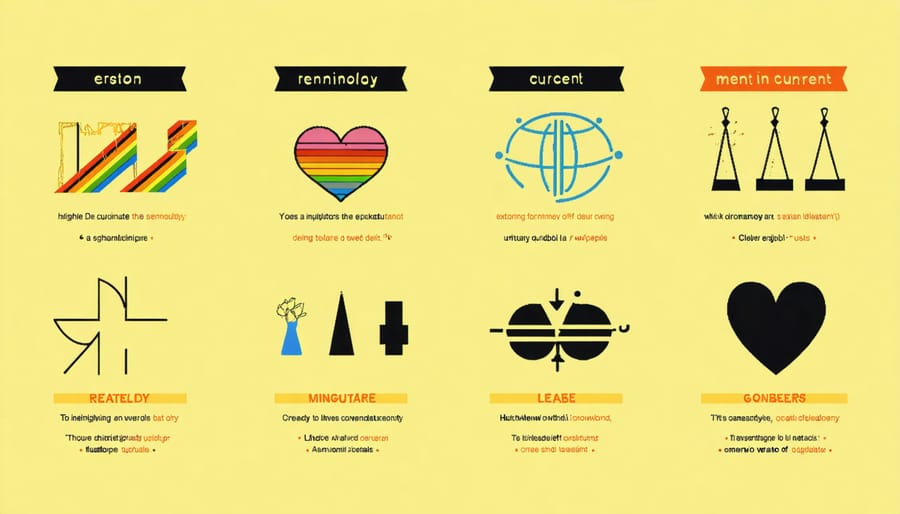
Using current and respectful terminology is essential when writing about LGBTQ+ topics. The term “LGBTQ+” refers to lesbian, gay, bisexual, transgender, queer/questioning individuals, with the plus symbol acknowledging additional identities. When referring to someone’s identity, always use their preferred terms and pronouns.
Gender identity terms like transgender (or trans), cisgender (or cis), non-binary, and gender-fluid should be used as adjectives, not nouns. For example, write “transgender person” rather than “a transgender.”
Sexual orientation terms include gay, lesbian, bisexual, asexual, and pansexual. Avoid outdated or offensive terms like “homosexual” in favor of “gay” or “lesbian.” Remember that “queer” has been reclaimed by many in the community but should be used thoughtfully, as some individuals may still find it offensive.
When discussing relationships, use inclusive language like “partner” or “spouse” instead of gender-specific terms. If writing about someone’s transition, use “transition” or “affirm” rather than “sex change.” Always prioritize the person’s dignity and respect their right to self-identify.
Terms to Avoid
When writing LGBTQ+ content, it’s essential to avoid outdated and potentially harmful terms that can alienate readers or perpetuate stereotypes. Steer clear of phrases like “lifestyle choice” or “sexual preference,” as they incorrectly suggest that sexual orientation and gender identity are choices. Avoid using “homosexual” in favor of “gay” or “lesbian,” as the former has clinical overtones and negative historical associations.
Never use deadnames (birth names) when referring to transgender individuals, and avoid terms like “biological sex” or “born a man/woman.” Instead, use “assigned sex at birth” when necessary. Dated terms such as “admitted to” or “confessed to being” when discussing someone’s coming out should be replaced with neutral phrases like “shared” or “came out as.”
Terms like “normal” or “regular” when comparing LGBTQ+ people to heterosexual or cisgender individuals are inappropriate and harmful. Similarly, avoid sensationalizing phrases like “alternative lifestyle” or “gay agenda.” Remember that language evolves, so stay current with community-preferred terminology through regular sensitivity training and consultation with LGBTQ+ organizations.
Writing Techniques for Authentic Representation
Avoiding Stereotypes
When writing about LGBTQ+ topics, it’s crucial to avoid falling into stereotypical portrayals that can perpetuate harmful misconceptions. Instead of relying on dated clichés or assumptions, focus on representing individuals as complex, multifaceted people whose LGBTQ+ identity is just one aspect of who they are.
Stay away from characterizing all gay men as flamboyant, all lesbians as masculine, or all transgender individuals as fitting into binary stereotypes. Remember that the LGBTQ+ community is incredibly diverse, with people from all walks of life, professions, interests, and personality types.
When describing LGBTQ+ characters or individuals in your writing, focus on their unique qualities, achievements, and personal stories rather than tired tropes. If you’re unsure about a representation, consult with LGBTQ+ sensitivity readers or community members for feedback.
Be especially mindful of intersectionality – LGBTQ+ people also have diverse cultural backgrounds, religions, abilities, and socioeconomic situations that shape their experiences. Present well-rounded portrayals that acknowledge this complexity rather than reducing someone to a single characteristic or stereotype.
Including Natural Representation
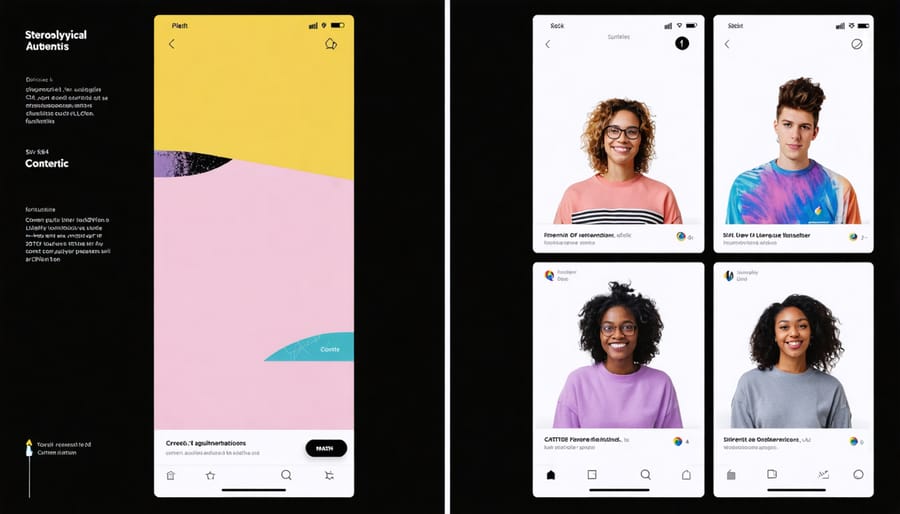
When incorporating LGBTQ+ representation in your content, aim for natural inclusion that reflects real-life diversity without falling into stereotypes or tokenism. Start by featuring LGBTQ+ characters, sources, or perspectives in ways that go beyond their identity – focus on their expertise, achievements, and complete personalities. This approach helps create authentic intersectional content that resonates with readers.
Consider weaving LGBTQ+ perspectives throughout your work rather than isolating them in special sections or designated features. For example, when writing about relationships, naturally include same-sex couples alongside different-sex couples without drawing special attention to their orientation. When profiling industry experts, include LGBTQ+ professionals based on their accomplishments first, with their identity as part of their complete story rather than the main focus.
Remember that representation isn’t just about visibility – it’s about dignity, respect, and showing the full spectrum of human experience. Consult with LGBTQ+ sensitivity readers when appropriate, and stay current with preferred terminology and evolving conversations within the community.
Real-World Applications
Case Studies
Several Canadian organizations have successfully implemented LGBTQ+ sensitivity training with remarkable results. The Vancouver Public Library transformed its service approach after comprehensive staff training, resulting in a 40% increase in LGBTQ+ community engagement. Their program focused on proper pronoun usage and creating welcoming spaces for all patrons.
Toronto-based tech company InnovateTech saw improved team dynamics after implementing quarterly inclusion-focused writing workshops. Employee satisfaction scores rose by 25%, and internal communications became more inclusive and respectful.
The University of Alberta’s Writing Center developed a pioneering program helping writers address LGBTQ+ themes authentically. Their guidelines have been adopted by multiple institutions across Canada, creating a ripple effect of positive change in academic writing communities.
These success stories demonstrate how thoughtful training programs can create more inclusive environments while improving organizational culture and communication effectiveness.
Client Communication
When discussing LGBTQ+ sensitivity with clients, adopt a collaborative and open approach. Start by asking about their existing knowledge and comfort level with LGBTQ+ topics. This creates a safe space for honest dialogue and helps tailor your communication to their needs.
Share your commitment to creating inclusive content while acknowledging that learning is an ongoing process. Explain how LGBTQ+ sensitivity benefits their brand by reaching wider audiences and fostering trust with all community members.
If clients express concerns or uncertainty, provide concrete examples of successful inclusive content. Highlight how thoughtful language choices and authentic representation can strengthen their message without compromising their brand voice.
Remember to maintain professional boundaries while being empathetic. If clients request information beyond your expertise, direct them to LGBTQ+ organizations and resources. Document agreed-upon guidelines and terminology preferences to ensure consistent, respectful communication throughout your working relationship.
Keep the conversation focused on creating positive, inclusive content that serves both the client’s goals and their diverse audience.
LGBT sensitivity training is more than just a checkbox on your professional development list – it’s an essential skill that can transform your writing career and create more inclusive content for all readers. By implementing the strategies and insights covered in this guide, you’re taking meaningful steps toward becoming a more thoughtful and inclusive writer.
Remember that creating LGBTQ+-inclusive content isn’t about perfection; it’s about showing genuine respect, willingness to learn, and commitment to growth. Start by incorporating inclusive language in your daily writing practice, staying updated with current terminology, and always approaching sensitive topics with empathy and understanding.
Consider joining LGBTQ+ writing communities or finding a mentor who can provide feedback on your work. The most successful writers are those who continuously educate themselves and remain open to learning from others’ experiences.
As you move forward, keep building on these foundations. Your commitment to inclusive writing won’t just improve your content – it will help create a more welcoming and respectful writing environment for everyone in our diverse Canadian community.