

Transform your writing by mastering narrative symbolism – the art of weaving deeper meaning through carefully chosen objects, characters, and events. Every great story, from Margaret Atwood’s Canadian classics to trending online content, harnesses symbolic elements to create lasting impact and reader connection.
Think of narrative symbolism as your secret weapon in the competitive freelance writing market. When you deliberately plant meaningful symbols throughout your work – like a recurring red door representing opportunity, or a withering plant reflecting a character’s inner struggle – you elevate simple stories into compelling narratives that editors notice and readers remember.
For Canadian writers breaking into content creation or expanding their portfolio, strong symbolic writing opens doors to better-paying opportunities. Rather than telling readers what to think or feel, well-crafted symbols guide them to discover deeper truths on their own, creating the kind of engaging content that keeps clients coming back for more.
By mastering this essential storytelling technique, you’ll stand out in the freelance marketplace while crafting more meaningful, resonant work that speaks to universal human experiences.
The Building Blocks of Narrative Symbolism
Visual Symbols
Visual symbols are powerful tools that can elevate your storytelling from good to memorable. As a writer, you can use physical objects, colors, and imagery to create deeper meaning in your work. Start by selecting objects that naturally fit your story’s setting while carrying symbolic weight. For example, a worn wedding ring could represent both enduring love and the passage of time, while a withered plant might symbolize neglect or lost hope.
Colors are equally powerful when used intentionally. Red can evoke passion or danger, while blue might represent calm or melancholy. The key is consistency – once you establish a color’s meaning, maintain it throughout your piece. Remember to incorporate these elements through engaging sensory details that bring your symbols to life.
When creating visual imagery, focus on elements that resonate with your Canadian readers. A maple leaf might represent home and belonging, while vast prairie landscapes could symbolize freedom or isolation. The most effective symbols often draw from familiar experiences while revealing deeper truths about your characters and themes.
Abstract Symbols
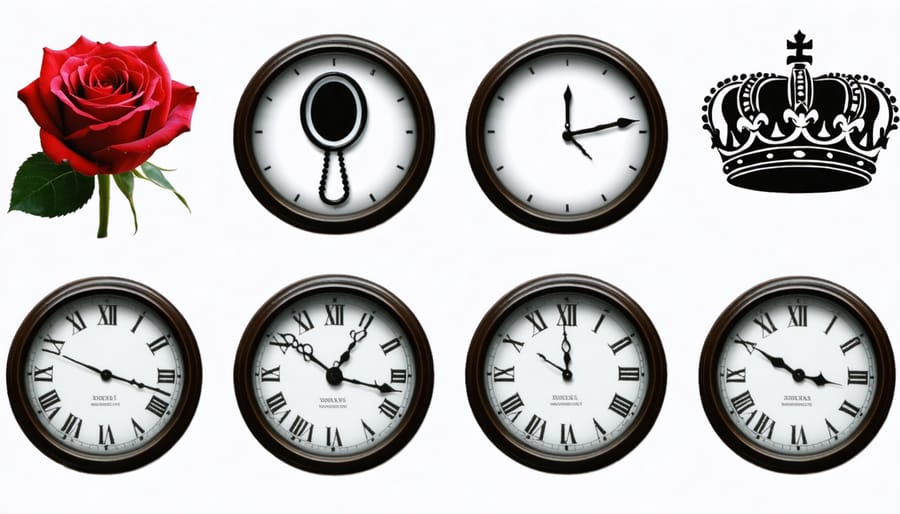
Abstract symbols in storytelling go beyond physical objects to represent larger ideas and universal themes. As a writer, you can weave concepts like love, freedom, justice, or ambition into your narrative through carefully chosen symbolic elements. For instance, a character’s internal struggle with truth might be symbolized through recurring moments of darkness and light in your story.
Think of abstract symbols as the foundation stones of your theme. When working with these elements, start by identifying the core message or emotion you want to convey. Then, develop consistent patterns throughout your piece that reinforce this meaning. A story about personal growth might use symbols of nature – seeds sprouting, trees reaching skyward, or birds taking flight – to represent transformation.
Remember that abstract symbols work best when they feel organic to your story rather than forced. Let them emerge naturally from your characters’ experiences and your plot’s development. For freelance writers crafting content for clients, subtle abstract symbolism can elevate your work and create deeper connections with readers, making your pieces more memorable and impactful.
Creating Depth Through Symbolic Layers
Primary Symbolism
Primary symbolism forms the foundation of your story’s deeper meaning, working alongside powerful narrative structures to create impactful content. Think of it as the first layer of symbolic meaning that readers can easily grasp – the red rose representing love, or the storm clouds foreshadowing trouble ahead.
As a freelance writer, mastering primary symbolism helps you create more engaging content for your clients. Start by choosing symbols that naturally fit your story’s context and resonate with your target audience. For example, if you’re writing for a Canadian audience, using a maple leaf as a symbol of national identity makes immediate sense.
The key is to keep these symbols clear and consistent throughout your piece. When you introduce a symbolic element, make sure its meaning remains stable – if darkness represents fear at the beginning of your story, don’t suddenly shift it to represent peace later on.
Remember that effective primary symbolism doesn’t need to be complex. Sometimes the most straightforward symbols create the strongest impact. A child’s worn teddy bear can represent comfort and security, while an empty chair at a dinner table might symbolize loss or absence. These accessible symbols help readers connect with your story on an emotional level while maintaining clarity in your narrative.
Secondary and Hidden Meanings
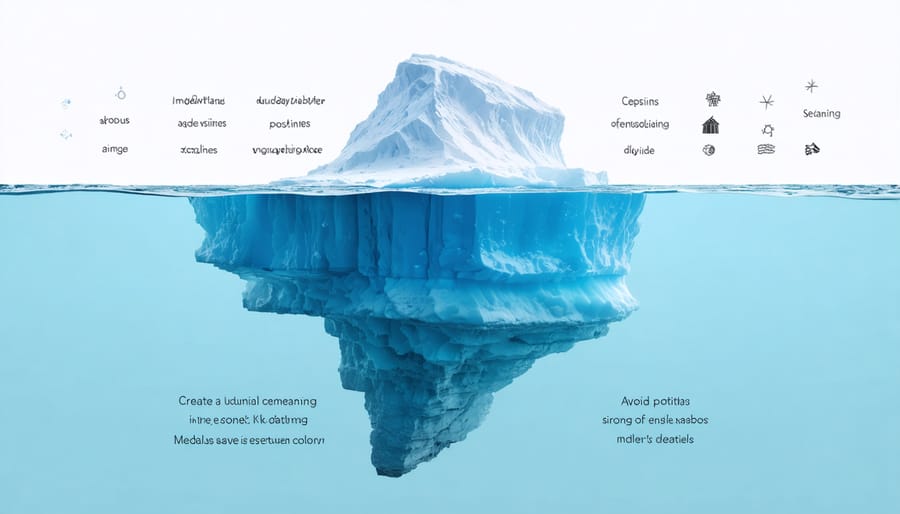
Beyond the surface level, successful narrative symbolism often includes secondary meanings that reward attentive readers. Think of it as adding hidden treasures within your story that more sophisticated readers can discover and appreciate. These deeper symbolic layers create a richer reading experience and can set your writing apart in the competitive freelance market.
Consider weaving in cultural references that resonate with specific audience segments. For example, a red maple leaf might represent Canadian identity to local readers while symbolizing autumn to international audiences. This multi-layered approach allows your work to connect with different readers on various levels.
Professional writers often incorporate historical allusions, literary references, or contemporary cultural touchstones as secondary symbols. These elements can create an engaging subtext without overwhelming your primary narrative. For instance, naming a character “Phoenix” might suggest resilience to some readers while others recognize the mythological significance.
Remember that these hidden meanings should enhance, not overshadow, your main story. Think of them as bonus features that reward careful reading but aren’t essential to understanding the basic narrative. When crafting these layers, ensure they remain subtle enough to avoid disrupting the flow for casual readers while providing additional depth for those who dig deeper.
As you develop your symbolic elements, consider keeping a personal symbol dictionary to track your recurring motifs and their various interpretations. This practice helps maintain consistency across your work and builds your unique writing signature.
Common Pitfalls and How to Avoid Them
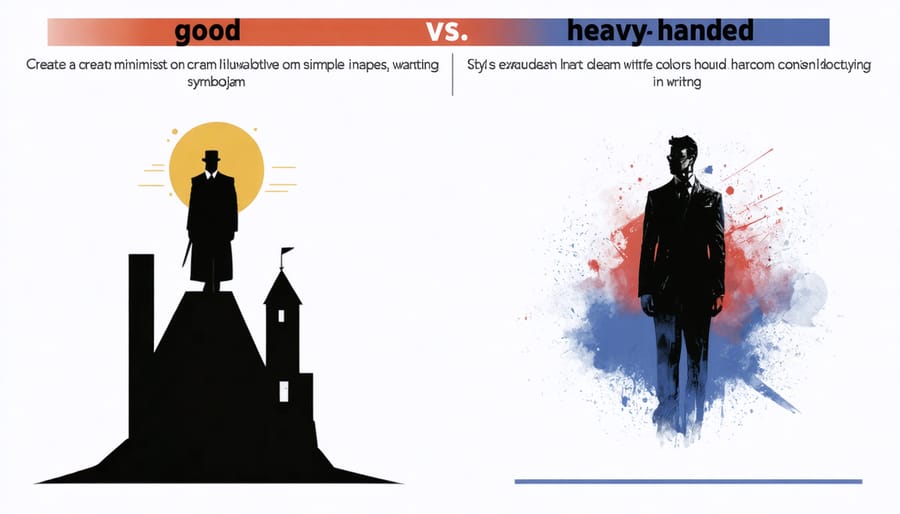
Even experienced writers can stumble when working with symbolism in their narratives. One of the most common pitfalls is being too obvious with symbolic elements, essentially hitting readers over the head with meaning. To keep your symbolism subtle and effective, think of it as seasoning rather than the main course of your story.
Another frequent mistake is trying to pack too many symbols into one piece. When everything becomes symbolic, nothing stands out as meaningful. Instead, focus on a few carefully chosen elements that genuinely serve your narrative’s themes and emotional core.
It’s also crucial to avoid overused symbolic metaphors like weather reflecting emotions or mirrors representing self-reflection. While these can work when handled skillfully, they often come across as cliché. Consider creating fresh symbolic connections that surprise and engage your readers.
Remember to maintain consistency with your symbols throughout your piece. Changing what a symbol represents halfway through your story will only confuse readers and weaken your narrative’s impact. Create a simple symbol tracking system in your notes to ensure coherence.
Don’t forget that symbols should emerge naturally from your story’s setting and characters. Forcing symbolic elements that don’t fit your narrative’s world will break readers’ immersion. Let your symbols grow organically from the elements already present in your story.
Finally, trust your readers’ intelligence. You don’t need to explain your symbolism explicitly – allow them to discover meanings on their own. This creates a more engaging reading experience and makes your work more memorable. When in doubt, err on the side of subtlety rather than explanation.
By avoiding these common pitfalls, you’ll create more sophisticated and engaging symbolic elements that enhance rather than detract from your narrative.
Making Your Symbols Work for Freelance Projects
When tackling freelance writing projects, your symbolic elements need to serve both artistic and commercial purposes. Start by understanding your client’s brand voice and target audience – this will help you choose symbols that resonate with their specific market. For example, if you’re writing for an eco-friendly company, you might weave in natural symbols that reinforce their environmental message.
Keep a symbol reference document for each client to maintain consistency across multiple assignments. This approach helps you build a professional relationship while saving time on future projects. Remember to discuss your symbolic choices with clients during the revision process – they’ll appreciate your thoughtful approach to their content.
For content marketing pieces, focus on universal symbols that your audience can quickly grasp. A sunrise representing new beginnings or a bridge symbolizing connection works better than obscure references that might confuse readers. When writing website copy, integrate symbols that align with the client’s visual branding for a cohesive message.
Consider creating a personal library of effective commercial symbols categorized by industry. This resource becomes invaluable when you’re working under tight deadlines. And don’t forget to track which symbols generate positive client feedback – this information helps you refine your technique and build a stronger portfolio.
Test your symbols with a small audience when possible, and be ready to adjust based on client feedback. The key is finding the sweet spot between artistic expression and commercial effectiveness.
Mastering narrative symbolism can transform your writing from simple storytelling to deeply meaningful content that resonates with readers. As you’ve seen, symbols can work on multiple levels, adding richness and depth to your work while creating lasting impressions in your readers’ minds.
Remember that effective symbolism doesn’t need to be complex. Start small by incorporating one or two meaningful symbols into your next piece. Pay attention to how these elements enhance your narrative and build from there. Whether you’re crafting blog posts, creative fiction, or content marketing materials, thoughtful symbolism can set your work apart in Canada’s competitive writing market.
Keep practicing and experimenting with different symbolic elements. Your unique perspective and experiences can inspire distinctive symbols that will become part of your signature writing style. As you develop your craft, you’ll find that clients and readers increasingly value the extra layer of meaning you bring to your work.
Take these techniques forward with confidence. Your writing journey is unique, and every symbol you craft adds to your professional toolkit. Start implementing these strategies today, and watch your writing transform into more engaging, memorable content.