

As a Canadian freelance writer earning income from international clients, you’re required to report your worldwide income to the Canada Revenue Agency (CRA) – but don’t let that intimidate you. Understanding your global tax obligations is simpler than you might think, and there are plenty of tax breaks for Canadian writers to help optimize your tax position.
Whether you’re crafting content for clients in New York, London, or Sydney, your income is taxable in Canada if you’re a Canadian resident. This includes all your writing income, regardless of where your clients are based or how you receive payment. The good news? Canada’s tax treaties with many countries help prevent double taxation, and you can often claim foreign taxes paid as a credit on your Canadian return.
Think of your worldwide income reporting as a way to legitimize your international writing business while maintaining full compliance with Canadian tax laws. Many successful Canadian writers have built thriving global careers while navigating these requirements effectively. Let’s explore exactly how to handle your international income and maximize your tax efficiency as a Canadian freelance writer.
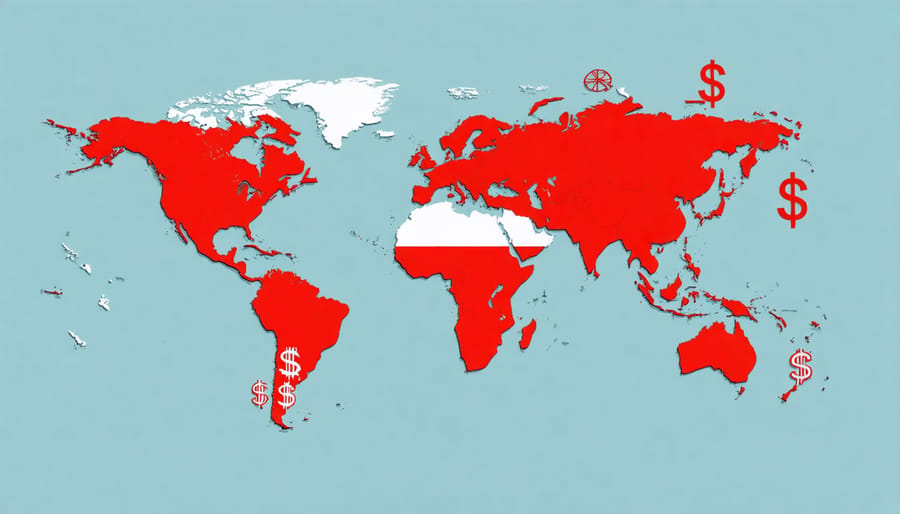
How Canada Taxes Your Global Freelance Income
What Counts as Worldwide Income
As a Canadian freelance writer, it’s exciting to explore opportunities for earning from international writing gigs, but it’s essential to understand what counts as worldwide income for tax purposes. The Canadian Revenue Agency (CRA) considers several types of writing-related income from foreign sources as taxable.
Your worldwide income includes payments received for articles, blog posts, or content writing from clients outside Canada, whether they pay you through PayPal, direct deposit, or other payment platforms. This also covers royalties from international book sales, earnings from foreign content platforms, and income from overseas content marketing projects.
Digital products like e-books, writing courses, or templates sold to international customers count as worldwide income. If you’re ghostwriting for clients abroad or receiving affiliate commissions from foreign websites, these earnings must be reported too.
Remember that the currency doesn’t matter – whether you’re paid in US dollars, British pounds, or euros, you’ll need to convert these earnings to Canadian dollars using the Bank of Canada’s average annual exchange rate for reporting purposes.
Some often-overlooked items that count as worldwide income include:
– Speaking fees from virtual writing conferences hosted abroad
– Consultation payments from international clients
– Prize money from foreign writing contests
– Income from international writing platforms and content mills
– Revenue from writing-related services provided to overseas clients
The good news is that Canada has tax treaties with many countries to prevent double taxation, helping you keep more of your hard-earned income while staying compliant with tax laws.
Residency Status and Tax Obligations
Your residency status plays a crucial role in determining how Canada taxes your worldwide income. As a freelance writer, understanding this is essential for managing your finances effectively, especially when working with international clients.
If you’re a Canadian resident for tax purposes, you must report your global income – that means everything you earn, whether from Canadian publishers or international writing gigs. This includes income from freelance work, royalties, and any other writing-related earnings from anywhere in the world.
The Canada Revenue Agency (CRA) determines your residency status based on several factors. These include where you maintain a home, where your family lives, your social and economic ties to Canada, and how much time you spend in the country. Even if you travel frequently for writing assignments or work remotely from different countries, you might still be considered a Canadian resident for tax purposes.
Non-residents, on the other hand, generally only pay Canadian taxes on income earned within Canada. However, if you’re a Canadian writer who moves abroad but maintains significant ties to Canada, you might be considered a “deemed resident” and still need to report worldwide income.
Part-year residents have special considerations – you’ll need to report worldwide income for the portion of the year you were a resident and only Canadian-source income for the non-resident period.
Remember that Canada has tax treaties with many countries to prevent double taxation. This means you can usually claim foreign tax credits for income taxes paid to other countries, ensuring you’re not taxed twice on the same income.
Managing Foreign Income Tax Credits

Claiming Foreign Tax Credits
Claiming foreign tax credits doesn’t have to be complicated. As a Canadian writer earning income from international sources, you can follow these straightforward steps to ensure you’re not paying taxes twice on the same income.
First, gather all your documentation. You’ll need records of income earned from foreign clients, proof of taxes paid to other countries, and receipts for any work-related expenses. When managing international client contracts, always keep copies of payment records and tax documents.
Complete Form T2209 (Federal Foreign Tax Credits) when filing your taxes. This form helps you calculate the credit you can claim for taxes already paid to other countries. Remember, you can only claim credits for income tax – not sales tax or other fees.
Include Schedule 1 with your tax return to report your worldwide income and corresponding foreign tax credits. Be sure to convert all foreign currency amounts to Canadian dollars using the Bank of Canada’s average annual exchange rate.
Pro tip: Keep a spreadsheet tracking your international income sources, tax rates paid in each country, and relevant exchange rates throughout the year. This organization will save you time and stress during tax season.
If your situation is complex, consider consulting a tax professional who specializes in international income. They can help maximize your credits while ensuring compliance with both Canadian and foreign tax laws.
Practical Tax Management Strategies

Record-Keeping Best Practices
Staying organized with your international income records is crucial to maximize your freelance income and make tax season less stressful. Keep digital copies of all invoices, payment receipts, and contracts from your international clients in clearly labeled folders. Create a spreadsheet to track income by country, including payment dates, currency exchange rates, and any foreign taxes paid.
Save bank statements showing international transfers and payment platform records (like PayPal or Wise). Document any work-related expenses specifically tied to your international income. It’s smart to maintain separate spreadsheets for different currencies and keep a running total in Canadian dollars.
Store all tax documents from foreign clients, including 1099 forms from US clients or their equivalent from other countries. Consider using accounting software that handles multiple currencies to simplify your record-keeping. Remember to keep these records for at least six years, as required by the CRA.
A good practice is to set aside monthly time to update your records and organize receipts while they’re fresh in your mind. This proactive approach will make tax filing much easier and help you track your growing international writing career.
Understanding your worldwide income tax obligations as a Canadian freelance writer doesn’t have to be overwhelming. Remember that Canada taxes your global income, but you have tools at your disposal to avoid double taxation through foreign tax credits. Keep detailed records of your international earnings, save receipts for business expenses, and consider working with a tax professional who understands freelance income. Setting aside a portion of your earnings for taxes and making quarterly installment payments can help you stay ahead of your obligations. By staying informed and organized, you can confidently manage your international writing income while remaining compliant with Canadian tax laws. Take it one step at a time, and don’t hesitate to seek professional guidance when needed – it’s an investment in your flourishing writing career.