

Transform your freelance writing income into smart tax savings by mastering essential deductions every Canadian writer should know. As you launch your freelance writing career, understanding these deductions isn’t just about compliance – it’s about keeping more of your hard-earned money.
From your home office space and professional development courses to software subscriptions and marketing expenses, the Canada Revenue Agency (CRA) offers numerous opportunities to reduce your taxable income. Smart tax planning makes the difference between a sustainable writing business and leaving money on the table.
In this comprehensive guide, we’ll walk through every deduction you can claim as a Canadian freelance writer, complete with real-world examples and practical record-keeping tips. Whether you’re a seasoned professional or just starting out, maximizing your tax deductions is crucial for your bottom line. Let’s dive into the specific expenses you can claim and the proper documentation you need to support them.

Home Office Expenses That Put Money Back in Your Pocket
Calculate Your Workspace Percentage
If you’re claiming a portion of your home expenses as a business deduction, calculating your workspace percentage accurately is crucial. The basic formula is simple: divide your workspace area by your home’s total living area and multiply by 100 to get your percentage.
Start by measuring your dedicated workspace in square feet. This could be your home office, writing nook, or any area you use regularly and exclusively for your writing business. Remember, casual writing at your kitchen table doesn’t count – the space needs to be primarily used for your freelance work.
Next, measure your home’s total living area. For apartment dwellers, this is straightforward. If you’re in a house, include all finished living spaces but exclude unfinished basements, garages, or storage areas unless they’re part of your workspace.
For example, if your home office is 120 square feet and your total living space is 1,200 square feet, your calculation would be:
120 ÷ 1,200 = 0.10 × 100 = 10%
This means you can claim 10% of eligible home expenses like:
– Rent or mortgage interest
– Property taxes
– Utilities
– Home insurance
– Internet services
– General maintenance and repairs
Keep detailed records of your measurements and calculations. Taking photos of your workspace and keeping a floor plan on file can help support your claims if the CRA requests verification.
Eligible Home Office Costs
If you’re running your freelance writing business from home, you can claim a portion of your home office expenses on your tax return. To qualify, your home office must be your principal place of business or used regularly for client meetings.
Eligible expenses include a percentage of your rent or mortgage interest, property taxes, home insurance, utilities (electricity, heating, water), and internet costs. The percentage you can claim is based on your home office’s square footage compared to your home’s total living space.
For example, if your home office takes up 10% of your home’s total area, you can deduct 10% of these expenses. Remember to keep detailed records of all your costs and measurements to support your claims.
You can also deduct direct home office expenses like:
– Office furniture and equipment
– Minor repairs and maintenance
– Paint and decorating costs
– Cleaning supplies
– Light bulbs and other small fixtures
For renters, you can claim a portion of your monthly rent. Homeowners can claim a percentage of mortgage interest (but not the principal payments), property taxes, and home insurance.
Keep in mind that claiming home office expenses could affect your principal residence exemption when you sell your home. It’s wise to consult with a tax professional to ensure you’re claiming these deductions correctly while maximizing your benefits.

Writing Tools and Technology Deductions
Hardware and Software Expenses
As a freelance writer earning money through writing, your computer and related equipment are essential tools of the trade. The Canada Revenue Agency (CRA) recognizes this and allows you to claim various hardware and software expenses as tax deductions.
You can deduct the cost of computers, laptops, tablets, and printers that you use primarily (more than 50%) for your writing business. Keep in mind that these items depreciate over time, so you’ll need to claim them as capital cost allowance (CCA) rather than as immediate expenses.
Writing software subscriptions are fully deductible when used for your business. This includes:
– Word processing software
– Grammar and editing tools like Grammarly
– Project management applications
– Accounting software
– Cloud storage services
– Writing-specific programs
Remember to keep detailed records of your purchases, including receipts and proof of payment. If you use these tools for both personal and business purposes, you can only claim the business portion. A good practice is to maintain a log showing how much you use each item for work versus personal use.
For hardware purchases over $500, you’ll need to claim them gradually through CCA. Smaller items under $500 can usually be expensed immediately. When in doubt, consult with a tax professional to ensure you’re claiming these deductions correctly.
Professional Subscriptions and Resources
As a freelance writer, staying current with industry trends and maintaining professional memberships is essential for your career growth – and these expenses can be tax-deductible! You can claim subscriptions to writing-related magazines, journals, and online publications that directly relate to your writing business. This includes trade publications, style guides, and research databases that help you create content for clients.
Professional memberships to organizations like the Professional Writers Association of Canada (PWAC), The Writers’ Union of Canada, or other industry associations are also deductible. These memberships often provide valuable networking opportunities and resources that help you grow your business.
Don’t forget about research materials! Reference books, writing guides, and specialized software subscriptions used for research purposes can be claimed. This includes subscriptions to premium research tools, fact-checking services, and industry-specific databases. Just remember to keep detailed records of these expenses and ensure they’re primarily used for your writing business.
If you’re taking online courses or purchasing educational materials to improve your writing skills, these may also qualify as tax deductions when they directly relate to your freelance writing career.
Professional Development and Marketing Costs
Training and Education Claims
Investing in your professional development as a freelance writer is not just good for your career – it can also help reduce your tax bill. The Canada Revenue Agency (CRA) allows you to deduct training and education expenses that are directly related to maintaining or improving your writing skills.
You can claim costs for writing workshops, online courses, professional certifications, and writing conferences that help you enhance your expertise. Keep detailed records of your registration fees, course materials, and travel expenses related to attending these educational events.
To qualify for the deduction, the training must be relevant to your current freelance writing business. For example, a course on SEO writing or creative non-fiction would likely qualify, while a general interest photography class probably wouldn’t.
Remember to save all receipts and course completion certificates. Consider creating a dedicated folder for training-related expenses throughout the year. When claiming these deductions, be prepared to demonstrate how the education directly relates to your writing income if asked by the CRA.
Success tip: Many professional writing organizations offer tax-deductible memberships that include access to training resources, making them doubly valuable for tax purposes.
Marketing and Website Expenses
Promoting your freelance writing business is essential, and fortunately, many marketing expenses are tax-deductible. Your professional website costs, including domain registration, hosting fees, and website maintenance, can be claimed on your tax return. This also extends to website design services if you hire someone to create or update your site.
Marketing materials such as business cards, brochures, and promotional items are deductible expenses. If you advertise your services on social media or through paid online platforms, these costs can also be claimed. Don’t forget about your email marketing software subscriptions and any paid promotional tools you use to reach potential clients.
Professional photography for your website or marketing materials is another legitimate expense you can claim. If you attend writing conferences or networking events to promote your services, the registration fees and related marketing materials are typically deductible.
Remember to keep detailed records of all your marketing expenses, including receipts and invoices. It’s also wise to maintain a separate business account for these transactions to make tracking easier during tax season.
Travel and Networking Deductions
Research and Interview Travel
When you travel for research or interviews related to your writing assignments, these expenses can often be claimed as tax deductions. This includes transportation costs like flights, train tickets, or mileage if you use your personal vehicle. If your research trip requires overnight stays, you can claim accommodation expenses and a portion of your meals.
Keep detailed records of all travel-related expenses, including receipts and a log of the purpose for each trip. The Canada Revenue Agency (CRA) requires that these expenses be reasonable and directly related to earning your writing income. For vehicle expenses, maintain a logbook showing the kilometers driven specifically for writing assignments versus personal use.
Remember that you can only claim the business portion of your travel expenses. If you combine personal activities with business travel, you must separate the costs accordingly. For example, if you attend a writing conference and extend your stay for vacation, only the conference-related expenses are deductible.
Local travel to conduct interviews or visit research locations is also eligible for deductions. Keep your transit receipts or track your vehicle mileage for these shorter trips as well.
Conference and Meeting Expenses
Attending conferences, workshops, and professional meetings can significantly boost your writing career and your tax savings. As a Canadian freelance writer, you can deduct expenses related to industry events, including registration fees, travel costs, and accommodation. Whether it’s the Writers’ Union of Canada annual conference or a local writing workshop, these networking opportunities are legitimate business expenses.
Keep detailed records of all event-related costs, including:
– Conference registration fees
– Hotel or accommodation expenses
– Transportation costs (flights, train tickets, or mileage if driving)
– Meal expenses during the event (subject to the 50% limitation rule)
– Workshop materials and handouts
Remember, the event must be primarily for business purposes to qualify for deductions. If you combine business with pleasure, only claim the portion related to your writing career. For example, if you extend your conference stay for a vacation, only the conference days’ expenses are deductible.
Pro tip: Save digital copies of conference badges, registration confirmations, and receipts in a dedicated folder. This organization will prove invaluable during tax season and in case of a CRA review.
Record-Keeping Best Practices
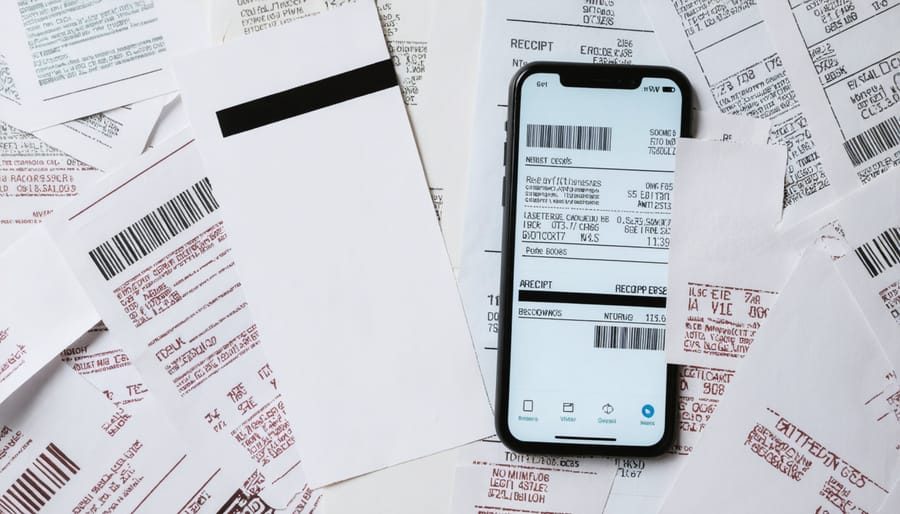
Keeping detailed records is crucial to both protect your freelance business and maximize your tax deductions. Create a dedicated filing system, either digital or physical, to store all your receipts, invoices, and relevant documents. Consider using accounting software like Wave or QuickBooks to track your income and expenses automatically.
Maintain separate folders for different expense categories such as office supplies, professional development, and travel costs. Take photos of paper receipts immediately and store them in cloud storage – this provides a backup and ensures they remain legible when tax time arrives.
Keep a detailed log of your home office usage, including the square footage and hours spent working there. For vehicle expenses, track your mileage with a logbook or smartphone app, noting the date, purpose, and destination of each business-related trip.
Store all client contracts, payment records, and correspondence in an organized system. This documentation supports your expense claims and provides evidence if the CRA requests verification. Remember to retain these records for at least six years, as required by Canadian tax law.
Set aside time each month to review and organize your records. Regular maintenance makes tax preparation much easier and helps you spot potential deductions you might otherwise miss. Consider using a spreadsheet to track ongoing expenses and maintaining a separate business bank account to simplify your bookkeeping.
Remember, good record-keeping isn’t just about tax compliance – it’s about understanding your business’s financial health and making informed decisions for your writing career.
As we’ve explored throughout this guide, maximizing your tax deductions is crucial to help you succeed as a Canadian writer and maintain a profitable freelance business. By properly tracking and claiming legitimate expenses like your home office, equipment, professional development, and marketing costs, you can significantly reduce your tax burden and keep more of your hard-earned income.
Remember to maintain detailed records of all your expenses throughout the year, including receipts, invoices, and documentation of your business use calculations. Consider using accounting software or working with a tax professional to ensure you’re claiming everything you’re entitled to while staying compliant with CRA regulations.
The key to successful tax planning is staying organized and thinking strategically about your business expenses. Plan major purchases carefully, keep your business and personal expenses separate, and regularly review your deductions to identify areas where you might be leaving money on the table.
Don’t let tax season stress you out – view it as an opportunity to reinvest in your business through smart deduction planning. With proper record-keeping and a solid understanding of available deductions, you can focus more energy on growing your writing career and less on worrying about taxes. Stay proactive, stay informed, and don’t hesitate to seek professional advice when needed.