

Transform your writing passion into a thriving freelance career by mastering the business side of creative work. Successful freelance writers don’t just craft compelling content—they streamline administrative workflows, build robust client relationships, and maintain consistent income streams.
Today’s digital landscape offers unprecedented opportunities for Canadian writers to establish themselves as independent professionals. Whether you’re crafting blog posts from a Vancouver coffee shop or developing technical documentation from your Toronto home office, freelance writing provides the freedom to choose your projects, set your rates, and design your ideal work-life balance.
Yet this creative independence comes with real responsibilities. Managing client communications, tracking deadlines, handling invoices, and marketing your services require strategic planning and efficient systems. The good news? With the right tools and approach, you can spend more time writing and less time wrestling with administrative tasks.
Let’s explore how to transform your writing skills into a sustainable freelance business, focusing on practical strategies that work in Canada’s competitive content marketplace.
Smart Tools That Save Hours of Admin Time

Project Management Made Simple
Managing multiple writing projects doesn’t have to be overwhelming. With the right tools and systems in place, you can stay organized and meet deadlines consistently while maintaining smooth client relationships.
Start with a robust project management tool like Trello, Asana, or ClickUp. These platforms let you create boards for different clients, set up task lists, and track deadlines visually. Many successful Canadian freelancers use Trello’s card system to move assignments from “In Progress” to “Ready for Review” to “Completed.”
Google Workspace is invaluable for document management and client communication. Create folders for each client, store your drafts in Google Docs for easy sharing, and use Google Calendar to schedule important deadlines and client meetings. Consider setting up email templates for common client communications to save time.
For time tracking and invoicing, tools like Toggl and FreshBooks are popular among freelance writers. They help you monitor project hours, generate professional invoices, and track payments. Some writers also use simple spreadsheets to maintain project logs and income records.
Remember to back up all your work regularly using cloud storage services like Dropbox or Google Drive. Set up a notification system that works for you – whether it’s calendar alerts, task reminders, or a good old-fashioned physical planner.
The key is finding tools that match your working style and sticking to them consistently. Start with one or two essential tools and gradually build your system as your freelance business grows.
Painless Invoicing and Payment Systems
Getting paid shouldn’t be the hardest part of your freelance writing career. Today’s digital tools make invoicing and payment tracking almost effortless, letting you focus on what matters most – your writing.
Wave, a Toronto-based platform, offers free invoicing and accounting features perfect for Canadian freelancers. It handles multiple currencies and automatically calculates GST/HST, making tax time much smoother. QuickBooks Self-Employed is another popular choice, offering expense tracking, mileage logging, and professional invoice templates.
For writers working with international clients, PayPal remains a reliable standard, though its fees can add up. Consider alternatives like Wise (formerly TransferWise) for better exchange rates on international payments. Many Canadian writers also use FreshBooks, which offers time tracking alongside its invoicing features – perfect for hourly writing projects.
To streamline your billing process:
– Create invoice templates with your standard terms
– Set up automatic payment reminders
– Keep detailed records of all transactions
– Consider accepting credit card payments
– Use cloud-based systems for backup security
Remember to maintain a professional payment schedule – many successful freelancers bill twice monthly or set up retainer arrangements for regular clients. This creates steady cash flow and helps avoid the feast-or-famine cycle common in freelancing.
Pro tip: Always clearly state your payment terms upfront and include them in your contracts to avoid confusion and delayed payments.
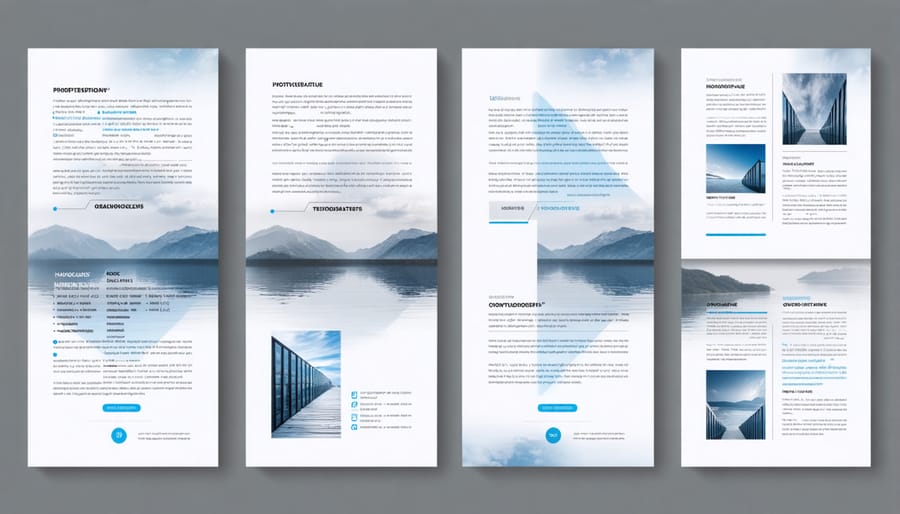
Templates That Transform Your Workflow
Client Communication Templates
Having ready-to-use email templates can save you hours of time and help maintain effective client communication strategies. Here are essential templates you can customize for common client interactions:
Project Inquiry Response:
“Thank you for reaching out about your writing project. I’d love to learn more about your needs. Could you share details about the project scope, timeline, and budget? This will help me determine if I’m the right fit and provide an accurate quote.”
Project Proposal:
“Based on our discussion, I’m excited to work on [project name]. Here’s my proposed approach:
– Project scope: [brief description]
– Deliverables: [list items]
– Timeline: [dates]
– Investment: [amount]
Please let me know if you’d like any adjustments.”
Submission Email:
“I’m pleased to submit the completed [project name] for your review. I’ve followed the brief carefully and incorporated all requirements. Please review and share any feedback. I’m happy to make up to [number] rounds of revisions as discussed.”
Payment Follow-up:
“I hope this email finds you well. I’m following up on invoice #[number], which was due on [date]. Please let me know if you need any additional information to process the payment.”
Remember to maintain a professional yet friendly tone, and always customize these templates to match your voice and specific client situations. Keep your communications clear, concise, and positive to build strong working relationships.
Contract and Proposal Frameworks
Having solid contract and proposal templates is essential for protecting your interests and presenting a professional image to potential clients. Start by creating a basic contract template that includes key elements such as project scope, payment terms, revision policies, and intellectual property rights. You can customize this template for different types of writing projects, from blog posts to white papers.
For proposals, develop a framework that showcases your understanding of the client’s needs, your proposed solution, and your unique value proposition. Include sections for project timeline, deliverables, and pricing structure. Remember to leave room for customization while maintaining consistent branding and professional language.
Consider incorporating these essential components in your contracts:
– Clear project milestones and deadlines
– Payment schedule and accepted methods
– Cancellation and refund policies
– Confidentiality agreements
– Portfolio usage rights
– Liability limitations
For your proposal framework, focus on:
– Executive summary highlighting key benefits
– Detailed project approach
– Relevant experience and portfolio samples
– Investment options and packages
– Terms and conditions
– Call to action
Many Canadian writers find success using cloud-based contract management tools that allow for electronic signatures and easy document sharing. These tools often include template libraries you can modify to suit your needs. Remember to have a legal professional review your templates initially to ensure they comply with Canadian law and protect your interests adequately.
Keep your documents clear, professional, and free from complex legal jargon while maintaining their enforceability. Update your frameworks regularly based on client feedback and changing industry standards.
Time-Saving Administrative Routines
The 15-Minute Daily Admin Check
Establishing a daily administrative routine can save you hours of stress and prevent those dreaded end-of-month paperwork pile-ups. Here’s a simple 15-minute checklist that successful Canadian freelance writers swear by:
First 5 minutes:
• Check your email for new client messages and respond to urgent inquiries
• Review your calendar for upcoming deadlines and meetings
• Log any new assignments in your project management system
Middle 5 minutes:
• Update your time-tracking sheets for ongoing projects
• File any incoming receipts or invoices (digital or physical)
• Record any new expenses from the previous day
Final 5 minutes:
• Review your to-do list and adjust priorities
• Send out any pending invoices
• Back up your work files to the cloud
Pro tip: Create a digital checklist and keep it on your desktop. Many writers find it helpful to tackle these tasks first thing in the morning with their coffee, making it part of their daily routine. Set a timer to keep yourself focused and avoid falling down the email rabbit hole.
Remember, consistency is key. Even on your busiest writing days, these 15 minutes will keep your business running smoothly and help you maintain a professional image with clients. Plus, you’ll thank yourself when tax season rolls around!

Weekly Business Management System
Staying organized is crucial for freelance writing success, and implementing a weekly business management system can transform your workflow. Start each Monday by reviewing your project pipeline and setting clear goals for the week. Create designated time blocks for client work, administrative tasks, and time management techniques that work best for you.
Dedicate Tuesday mornings to invoicing and financial tracking. Use tools like Wave or QuickBooks to streamline your accounting processes. Wednesday afternoons are perfect for client communications and follow-ups on pending proposals. Keep a spreadsheet to track all correspondence and set reminders for important deadlines.
Thursday is ideal for marketing activities – update your portfolio, engage on social media, and reach out to potential clients. Set aside time for networking and maintaining professional relationships. Friday mornings should focus on reviewing the week’s accomplishments and planning for the next week.
Remember to schedule regular breaks throughout your day and maintain a healthy work-life balance. Many successful Canadian freelancers block out specific hours for deep work and protect their creative time fiercely. Consider using project management tools like Trello or Asana to keep everything organized and accessible.
End each week by backing up your work, updating your income tracker, and celebrating your achievements, no matter how small. This systematic approach helps maintain consistency and ensures nothing falls through the cracks.
Automating Your Administrative Tasks
As a freelance writer, you’ll quickly discover that administrative tasks can eat up precious writing time. The good news is that many of these repetitive tasks can be automated, giving you more hours to focus on what you do best – writing.
Start by setting up email templates for common communications. Create ready-to-use responses for client inquiries, project proposals, and follow-ups. Tools like Gmail’s canned responses or text expansion apps can help you send professional emails in seconds rather than minutes.
Invoice management is another area ripe for automation. Consider using platforms like FreshBooks or Wave, which can generate recurring invoices, track expenses, and send payment reminders automatically. Many Canadian freelancers find these tools invaluable for maintaining consistent cash flow and reducing bookkeeping headaches.
Project management automation can transform your workflow. Tools like Trello or Asana allow you to create templates for your writing projects, complete with checklists and deadlines. Set up automated reminders for important milestones and use integrations to update your calendar automatically when new assignments come in.
Social media scheduling tools like Buffer or Hootsuite can help maintain your professional presence without constant attention. Schedule your content promotion and portfolio updates in advance, ensuring consistent visibility without daily manual posting.
For document organization, implement a automatic file naming system and use cloud storage with automatic backups. This ensures you’ll never lose important work and can quickly locate past projects when needed.
Time tracking is essential for billing and productivity analysis. Apps like Toggl or RescueTime can automatically monitor your work sessions and generate detailed reports, helping you optimize your schedule and ensure accurate client billing.
Remember to review and adjust your automation systems quarterly. What works today might need tweaking tomorrow as your business grows. The initial time investment in setting up these systems will pay dividends in reduced stress and increased productivity throughout your freelance career.
As we’ve explored throughout this guide, streamlining your administrative processes isn’t just about saving time – it’s about building a sustainable writing business that allows you to focus on what you do best: writing.
By implementing the systems and tools we’ve discussed, you can transform your freelance writing practice from a chaotic juggling act into a well-oiled machine. Remember, even small changes can lead to significant improvements. Start by choosing one area to optimize – whether it’s invoice management, client communications, or project tracking – and build from there.
The key takeaways are clear: invest in reliable tools that match your needs, create templates for recurring tasks, establish clear workflows, and maintain consistent organizational systems. These foundations will support your growth and help you manage larger client loads without burning out.
Don’t feel pressured to implement everything at once. Take it step by step, and celebrate the efficiency gains along the way. Many successful Canadian writers started exactly where you are now, and by gradually refining their processes, they’ve created thriving freelance careers.
Your future self will thank you for the time and effort you invest today in streamlining your administrative tasks. Now, take that first step toward a more organized, profitable, and enjoyable freelance writing career.