

Create an attribution page on your website or portfolio by listing every AI tool you’ve used in your content creation process, including AI language tools for grammar checking, research assistance, or idea generation. Document which specific tasks each tool helped with—whether it was brainstorming headlines, fact-checking statistics, or polishing sentence structure—to show clients you’re transparent about your workflow while maintaining creative ownership.
Add a simple statement to your attribution page explaining your role as the primary creator, writer, and editor of all published work, clarifying that AI serves as an assistant rather than a replacement for your expertise. This protects you from future client disputes and positions you as an ethical professional who embraces technology responsibly.
Update your attribution page quarterly as you adopt new tools or phase out others, keeping it current and relevant. Many forward-thinking publications and platforms are beginning to require this disclosure, so having one ready demonstrates you’re ahead of industry trends rather than scrambling to comply later.
Think of your attribution page as a career insurance policy. As AI detection becomes more sophisticated and clients grow more concerned about content authenticity, this simple addition to your professional presence shows you have nothing to hide. Writers who proactively embrace transparency are landing better contracts and building stronger client relationships because they’ve addressed concerns before they become obstacles. Your attribution page isn’t just about meeting requirements—it’s about showcasing your integrity and professionalism in an evolving industry.
What Is an Attribution Page and Why Should Freelancers Care?
An attribution page is a dedicated section within an article that transparently lists all the sources, references, and fact-checking methods used to create that content. Think of it as a “show your work” page that demonstrates exactly where your information came from and how you verified it was accurate.
If you’ve ever written a research paper in school, you’re already familiar with the concept of citing sources. Attribution pages work similarly, but they’re designed specifically for modern digital content. They typically include clickable links to original sources, dates when facts were verified, and sometimes even notes about the research process itself.
So why should you care about this as a freelance writer? The answer comes down to trust and professionalism.
As artificial intelligence becomes more common in content creation, both readers and clients are increasingly concerned about accuracy and transparency. An attribution page sets you apart by proving that a real person did real research to create the content. It’s your professional stamp that says, “I stand behind this work.”
Major publications and forward-thinking platforms are already adopting attribution pages as a standard practice. When you understand how to create them, you position yourself as someone who meets modern editorial standards. This can open doors to better-paying clients who value quality and accountability.
Beyond impressing clients, attribution pages protect you professionally. They provide documentation of your research process, which can be invaluable if facts are ever questioned. You’ll have a clear record showing you did your due diligence.
The good news? Creating attribution pages isn’t complicated or time-consuming once you know the basics. It’s simply about organizing information you’re already gathering during your research process.

How AI Fact-Checking Platforms Are Raising the Bar
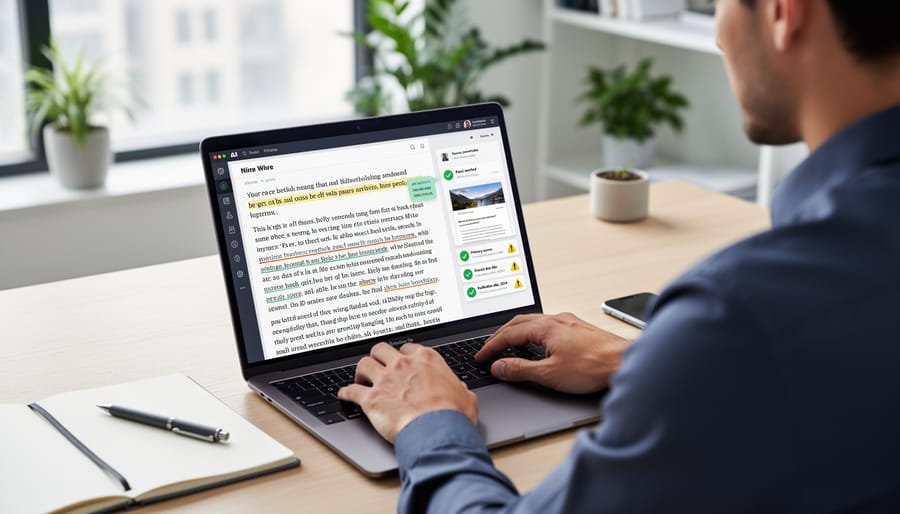
The landscape of content creation is evolving rapidly, and AI fact-checking platforms are leading the charge in making attribution easier and more reliable than ever before. These innovative tools are becoming essential resources for freelance writers who want to maintain credibility while working more efficiently.
Platforms like Grammarly and QuillBot now offer built-in citation features that automatically identify when you’ve paraphrased or referenced external content. They can suggest proper citations and even help you format them according to different style guides. For Canadian writers juggling multiple clients with varying requirements, this automation saves valuable time while reducing the risk of accidental plagiarism.
Similarly, tools such as Copyscape and Originality.AI have expanded beyond simple plagiarism detection. They now help writers track their sources throughout the writing process, flagging content that needs attribution before submission. Some platforms even generate preliminary attribution pages by cataloging all the sources you’ve consulted during research.
What makes these tools particularly valuable is their ability to verify claims in real-time. As you write, they can cross-reference facts against trusted databases and alert you to statements that might need additional sourcing. This proactive approach helps you build stronger, more trustworthy content from the ground up.
The good news for freelancers is that many of these platforms offer free or affordable tiers, making professional-grade attribution accessible regardless of your budget. By integrating these tools into your workflow, you’re not just protecting yourself legally—you’re demonstrating to clients that you take accuracy and transparency seriously. This commitment to quality can set you apart in a competitive market and open doors to higher-paying opportunities with clients who value meticulous research and proper attribution.
The Real Benefits of Using Attribution Pages in Your Work
Building Trust With Clients and Readers
Think of your attribution page as your professional handshake with both clients and readers. When you clearly document your sources, you’re telling everyone: “I did my homework, and I’m proud to show it.”
For freelance writers, this transparency pays off in real ways. Clients feel confident hiring you again because they see you take accuracy seriously. One Toronto-based writer shared how her detailed attribution pages helped her land a long-term contract with a health publication—the editor specifically mentioned appreciating her thoroughness during the interview.
Readers also notice. When they can verify your claims, they trust your work more. This trust translates into shares, comments, and a growing audience that values what you create. In an era where misinformation spreads quickly, being known as a writer who backs up their work sets you apart.
Attribution pages also protect you professionally. If questions arise about your research, you have a clear record showing exactly where information came from. This documentation becomes invaluable when working with editors who need to verify facts or when updating older pieces.
By making source transparency a habit now, you’re building a reputation that opens doors throughout your writing career.

Protecting Your Professional Reputation
In today’s digital landscape, your credibility as a writer is everything. An attribution page serves as your professional shield, demonstrating that you’ve done your homework and followed ethical writing practices. Think of it as a transparent record of your research process—a digital paper trail that shows you haven’t just copied content or made up facts.
When questions arise about source material, your attribution page provides concrete evidence of where your information came from. This is particularly valuable when working with AI-assisted research tools or fact-checking platforms. If a client, editor, or reader ever challenges your work, you can point directly to your attribution page and say, “Here’s exactly where I found this information.”
For freelance writers building their careers, this documentation is invaluable for protecting your professional reputation. It shows clients you’re thorough, honest, and committed to quality. Many successful Canadian writers have found that maintaining clear attribution records has helped them land higher-paying contracts and build long-term relationships with premium clients.
Beyond just covering yourself legally, attribution pages signal professionalism. They tell the world you respect intellectual property, value accuracy, and take pride in your craft. In an era where AI-generated content is everywhere, proving you’ve engaged with real sources and verified your facts sets you apart from writers who take shortcuts. Your attribution page becomes part of your portfolio—evidence that you’re a writer who does things right.
Creating Effective Attribution Pages: Practical Steps
Building your attribution page doesn’t have to be complicated. Think of it as creating a simple reference document that shows the sources behind your work. Here’s how to get started, even if you’re completely new to this concept.
Start with the basics: your name, the article title, and the publication date at the top of the page. This helps readers immediately understand what piece of content they’re reviewing sources for. Next, list every significant source you used during your research and writing process. Include website URLs, book titles, expert interviews, and any AI writing tools you consulted. Be honest and thorough here.
For each source, provide a brief description of how you used it. Did you verify a statistic? Gather background information? Get inspiration for your angle? This context makes your attribution page genuinely useful rather than just a list of links. Format entries clearly, using bullet points or numbered lists so readers can scan quickly.
When it comes to AI tools specifically, mention the tool name and describe what you asked it to do. For example: “Used ChatGPT to brainstorm article headlines” or “Consulted Claude for grammar suggestions on paragraph three.” This transparency builds trust with editors and platforms increasingly focused on disclosure.
Several free tools can simplify this process. Google Docs has a built-in comment feature where you can tag sources as you write, making it easier to compile everything later. Browser extensions like Zotero help capture and organize web sources automatically. Even a simple spreadsheet works perfectly for tracking your research trail.
Consider creating a template you can reuse for every project. Include standard sections like Primary Sources, Secondary Sources, AI Tools Used, and Expert Consultations. This saves time and ensures consistency across your portfolio.
Sarah, a Toronto-based freelance writer, shared that maintaining attribution pages actually improved her research habits. “I’m more organized now because I know I’ll need to document everything anyway. My editors love it, and several clients have started requesting these pages upfront.”
Remember, your attribution page demonstrates professionalism and protects your reputation. Start simple, stay consistent, and adjust your approach as you discover what works best for your writing process.
Common Mistakes to Avoid
Even experienced writers sometimes stumble when implementing attribution pages. The good news? These common pitfalls are easy to avoid once you recognize them.
One frequent mistake is over-attributing common knowledge. You don’t need to cite that the sky is blue or that Canada has ten provinces. A helpful rule: if the information appears unchanged across multiple general sources and is widely accepted, it’s likely common knowledge. Save your citations for specific data, unique insights, or expert opinions.
On the flip side, many freelancers forget to update their attribution pages when they revise content. When you refresh statistics or add new information, remember to update your sources too. Outdated citations can undermine your credibility just as much as missing ones. Set a reminder to review your attribution page whenever you update the main content.
Using unreliable sources is another pitfall that can damage your professional reputation. AI fact-checking platforms are becoming increasingly sophisticated at evaluating source quality. Stick to reputable publications, academic journals, government databases, and recognized industry experts. When in doubt, cross-reference information with multiple trusted sources.
Finally, resist the temptation to make your attribution page overly technical. Remember, it should enhance transparency, not create confusion. Skip the complex citation formats unless specifically required. Instead, use clear, straightforward language that any reader can understand. Include the source name, publication date, and a direct link when possible.
Think of your attribution page as a professional courtesy to readers and a protection for your career. Canadian freelancer Maria Chen shared her success story: after implementing clean, simple attribution pages, she noticed clients specifically praising her transparency in feedback forms. That small effort became a competitive advantage that led to higher-paying contracts.
As Canadian freelancers navigate an evolving writing landscape shaped by AI, attribution pages represent more than a passing trend. They’re your opportunity to stand out through transparency and authenticity. While others worry about AI replacing writers, you can position yourself as someone who combines technology with human expertise and accountability.
Think of your attribution page as an investment in your professional future. It takes minimal time to create but delivers lasting value by building trust with clients, fact-checking platforms, and readers. In a marketplace crowded with AI-generated content, your willingness to show your work becomes a competitive advantage that sets you apart.
Start small if you need to. Add attribution details to your next piece, experiment with the format, and watch how it enhances your credibility. Every article you transparently attribute is another building block in your reputation as a thorough, ethical professional.
Your career deserves this level of care. Embrace attribution pages today and watch your opportunities grow tomorrow.