

Understand that quarterly tax installment payments are advance payments on your income tax that the CRA requires when you consistently owe more than $3,000 in taxes at year-end. If you received a CRA installment notice, you’ve crossed this threshold from your previous tax years, and ignoring it means interest charges that start accumulating immediately at the CRA’s prescribed rate.
Calculate your installment amounts using one of three CRA-approved methods: the no-calculation option (pay exactly what the CRA tells you), the prior-year option (base payments on last year’s total taxes owing), or the current-year option (estimate this year’s taxes if you expect significantly lower income). The no-calculation method protects you from interest charges even if you ultimately owe more, making it the safest choice when your income fluctuates unpredictably.
Mark March 15, June 15, September 15, and December 15 in your calendar as non-negotiable payment deadlines, then set up automatic transfers to a dedicated tax savings account after each client payment. Managing your taxes proactively transforms installments from overwhelming annual shocks into manageable quarterly habits that protect your writing business from costly penalties while keeping you in the CRA’s good books.
What Are Tax Installment Payments (and Do You Need to Make Them)?
If you’re earning income as a freelance writer in Canada, tax installment payments are advance payments you make throughout the year toward your upcoming tax bill. Think of them as a pay-as-you-go system, similar to how employees have taxes deducted from each paycheque. The difference? As a freelancer, you’re responsible for calculating and sending these payments directly to the CRA yourself.
Here’s the good news: not everyone needs to make installment payments. The CRA requires them only when your net tax owing (that’s the amount you owe after deductions and credits) exceeds $3,000 in the current year and in either of the two previous years. For example, if you owed $3,500 in taxes for both 2023 and 2024, you’d likely need to make installment payments for 2025.
Why does the CRA require this? It helps the government maintain steady cash flow throughout the year rather than collecting everything at tax time. For you, it prevents a massive, stressful tax bill landing in your lap all at once in April. Instead, you’re spreading your tax obligations across the year in manageable chunks.
Let’s make this practical. Imagine you’re a freelance writer who earned $65,000 last year. After calculating your income tax, CPP contributions, and other obligations, you owed $4,200 at tax time. Since this exceeds the $3,000 threshold, the CRA will send you an installment reminder notice explaining how much to pay and when.
Many new freelancers panic when they receive their first notice, but there’s no need to worry. Making installment payments is actually a positive sign that your writing business is thriving and generating solid income. Plus, staying in good standing with the CRA through timely payments helps you avoid unnecessary interest charges and penalties down the road.
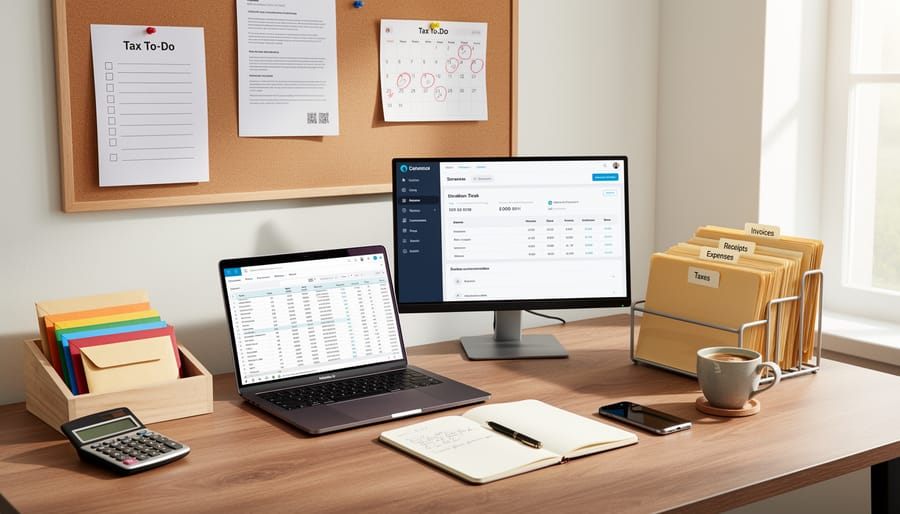
When You’ll Get That First Notice from the CRA
If you’re wondering when that first CRA installment notice will show up in your mailbox (or inbox), here’s what you need to know. The CRA typically sends your first installment reminder in late February or early March, after they’ve processed your previous year’s tax return. This notice arrives because your freelance income has grown to a level where you owe more than $3,000 in taxes for the current year and either of the two previous years.
Think of this notice as a positive milestone in your freelancing journey. It means your business is thriving and generating substantial income. You’re not in trouble, and nothing is wrong. The CRA is simply letting you know that based on your earnings pattern, you’ll likely benefit from spreading your tax payments throughout the year rather than facing one large bill at tax time.
The notice will clearly outline your required payment amounts and due dates, typically quarterly installments due on March 15, June 15, September 15, and December 15. It’s worth noting that the CRA calculates these amounts based on your previous tax history, so the figures reflect what you’ve actually earned, not arbitrary estimates.
When you receive this notice, take a deep breath. Many successful freelance writers reach this point as their careers flourish. It’s simply part of managing a growing freelance business, and with proper planning, you’ll handle these payments smoothly while keeping your writing business on track.
How to Calculate Your Installment Payments
The No-Calculation Option
Here’s the good news: you don’t have to crunch the numbers yourself if you’d rather not. The CRA actually does the math for you and sends a personalized installment reminder in the mail. This notice shows up a few weeks before your first payment is due and includes pre-calculated amounts based on your previous tax returns.
Many freelance writers find this option incredibly convenient, especially when you’re juggling multiple deadlines and don’t want to stress about tax calculations. The CRA typically offers three different calculation methods on their notice, and they’ll recommend the one that results in the lowest payments for you.
Simply follow the amounts listed and mark the due dates in your calendar. Keep that notice somewhere safe, as you’ll need to reference it throughout the year. This straightforward approach lets you focus your energy on your writing projects while staying compliant with your tax obligations. It’s one less administrative task to worry about, giving you more time to build your freelance career.
The Prior-Year Option
The prior-year option offers a straightforward approach to calculating your installments, especially helpful if your freelance income was relatively stable last year. Here’s how it works: you simply divide your total tax owing from last year’s return by four and pay that amount each quarter. This method provides predictability and peace of mind since you’re working with known numbers rather than estimates. Many freelance writers find this option reassuring when they’re just starting out with installment payments. The real advantage? Even if your income increases this year, you won’t face penalties for underpayment as long as you’re basing payments on last year’s actual taxes. Just remember that if you earn significantly more this year, you’ll need to cover the difference when you file your annual return. This approach works beautifully for writers whose income remains fairly consistent year over year.
The Current-Year Estimate Option
If your income varies significantly from year to year, the current-year estimate option gives you more flexibility. Instead of relying on last year’s income (which might be drastically different), you can estimate what you’ll actually earn this year and base your installments on that figure.
This approach works particularly well for freelance writers whose income fluctuates. Maybe you landed several high-paying contracts this year, or perhaps work has been slower than usual. Either way, you can adjust your installment amounts to reflect your current reality.
The key is making a reasonable estimate. Consider the contracts you have lined up, your typical earning patterns, and any tax deductions available to you. Don’t worry about getting it perfect—you can always reassess as the year progresses.
If your income changes significantly mid-year, you’re allowed to recalculate and adjust your remaining installments accordingly. The CRA understands that self-employed income isn’t always predictable. What matters most is making a genuine effort to pay what you’ll reasonably owe.
Important Payment Dates You Can’t Miss
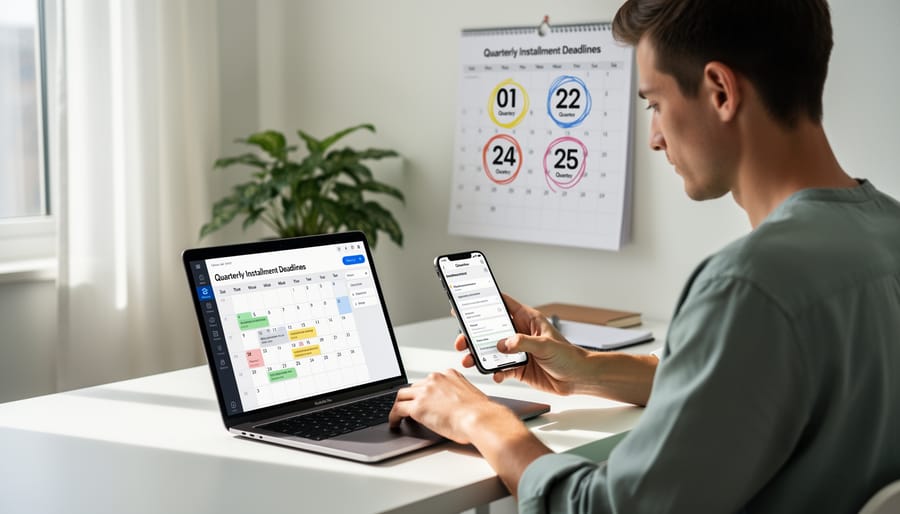
Mark these four dates in your calendar right now—they’re your lifeline to staying on top of tax installments. The CRA requires quarterly payments on March 15, June 15, September 15, and December 15. Missing even one deadline can result in interest charges that chip away at your hard-earned freelance income.
Here’s a helpful tip: these dates fall mid-month, which means they don’t align with typical month-end billing cycles. That’s actually good news! You can time your invoicing to ensure client payments arrive before each installment deadline, giving you a comfortable buffer.
Set up multiple reminders to keep yourself organized. Start with a calendar alert two weeks before each payment date—this gives you time to review your finances and transfer funds if needed. Add a second reminder three days prior as your final prompt to submit payment. Many successful freelance writers also create a dedicated folder (digital or physical) where they store installment receipts and payment confirmations throughout the year.
Consider automating your payments through your CRA My Account portal. You can schedule all four installments at once, removing the mental burden of remembering each deadline. However, keep those calendar reminders active anyway—you’ll want to verify each payment processes correctly and maintain accurate records for your own bookkeeping.
Think of these quarterly check-ins as positive touchpoints with your business finances rather than obligations to dread. They’re opportunities to celebrate your growing freelance success and ensure you’re building a sustainable, financially healthy writing career.
Easy Ways to Make Your Installment Payments
Good news: paying your tax installments is actually straightforward, and you have several convenient options to choose from. The CRA has made it easy for freelancers to stay on top of their payments without adding unnecessary stress to your already busy schedule.
The most popular method among freelancers is online banking. You can set up the CRA as a payee through your bank’s website or app, just like paying any other bill. Look for “CRA (revenue) – current year tax installment” when adding the payee. Once it’s set up, you can make payments in minutes and even schedule them in advance so you never miss a deadline. Many freelancers find this method particularly helpful because they can automate their payments and focus on their writing work instead.
CRA My Account offers another excellent option. This free online portal lets you pay directly from your bank account, view your payment history, and confirm that your installments were received. It’s a one-stop shop for managing all your tax matters, and the interface is designed to be user-friendly, even if you’re not particularly tech-savvy.
If you prefer traditional methods, you can still pay at your bank in person or mail a cheque to the CRA. Just remember that mailed payments take longer to process, so send them well before the deadline.
For those who like to stay organized digitally, consider setting up pre-authorized debit through CRA My Account. This arrangement automatically withdraws your installment payments on the due dates, giving you complete peace of mind. Think of it as one less administrative task competing for your creative energy.
Whichever method you choose, keep records of all your payments. This simple habit will save you time and worry when tax season rolls around.
What Happens If You Miss a Payment (And How to Bounce Back)
Life happens, and sometimes a payment slips through the cracks. If you miss a CRA installment deadline, take a deep breath—you’re not alone, and this is fixable.
Here’s what actually happens: the CRA will charge you interest on the late payment, and if your shortfall is significant, you might also face an installment penalty. The interest compounds daily, which means the sooner you catch up, the less you’ll owe overall. The penalty applies when you’ve underpaid by more than a certain threshold, but understanding this helps you prioritize getting back on track.
The good news? The CRA isn’t looking to trip you up. They understand that cash flow can be unpredictable, especially for freelancers. If you realize you’ve missed a payment, make it as soon as possible to minimize interest charges. You can make payments anytime through your online banking, even between the official quarterly dates.
To avoid future misses, set up calendar reminders a week before each due date. Some freelancers find it helpful to open a separate savings account specifically for tax installments and transfer money there each time they receive payment from a client. This creates a buffer that makes payments feel less stressful.
Remember, one missed payment doesn’t define your financial management. Learn from it, adjust your system, and keep moving forward. Most successful freelancers have been exactly where you are now—they just developed better tracking habits over time.
Smart Tips for Managing Installments as a Freelancer
Set Aside Money with Every Invoice
A simple and effective approach is setting aside a percentage of your income with every invoice you send. Many Canadian freelancers save between 25-30% of their earnings for taxes, though your ideal percentage depends on your tax bracket and deductions.
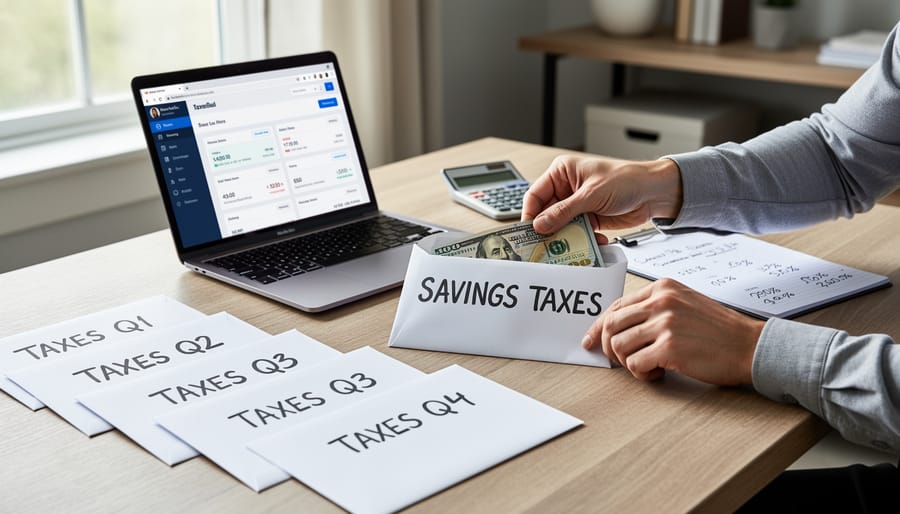
Consider opening a separate savings account dedicated solely to tax money. When payment arrives, immediately transfer your set percentage into this account. This creates a clear boundary between money you can spend and money reserved for the CRA.
Some freelancers find it helpful to round up their percentage slightly to build a small buffer. If you’re required to save 28%, consider setting aside 30% instead. This extra cushion provides peace of mind and helps cover any calculation surprises.
Use a Separate Tax Savings Account
One of the smartest moves you can make is opening a dedicated savings account just for your tax obligations. Think of it as paying yourself first, but for taxes. Each time you receive payment from a client, immediately transfer your estimated tax portion into this separate account. This creates a mental and physical barrier that helps prevent the temptation to spend money that isn’t really yours to keep.
Many freelancers find success by treating this transfer as automatic and non-negotiable, just like rent or groceries. Some even set up automatic transfers through their bank to remove the decision-making entirely. When your installment payment date arrives, the money is simply sitting there waiting, eliminating that stomach-dropping panic of scrambling to cover your tax bill. This simple habit transforms tax payments from a stressful burden into a manageable routine, giving you peace of mind and keeping you in good standing with the CRA.
Adjust Your Installments If Your Income Changes
Life as a freelancer means your income can fluctuate throughout the year, and that’s completely normal. The good news? The CRA understands this reality. If your income drops significantly or you experience an unexpected slow period, you’re not locked into your original installment amounts. You can recalculate and adjust your payments to better reflect your current financial situation. This flexibility is one of the most helpful aspects of the installment system. To make changes, simply contact the CRA directly or use their online services to request an adjustment. Keep records of your income changes to support your recalculation. Remember, it’s always better to communicate with the CRA proactively rather than missing payments altogether. If you underpay and owe more at tax time, you’ll pay interest on the difference, but if you overpay, you’ll receive a refund. The system is designed to work with you, not against you, so don’t hesitate to make adjustments when your circumstances change.
If you’ve reached the point where you’re making tax installment payments, take a moment to recognize what that really means: your freelance writing career is thriving. Installments aren’t a burden to dread—they’re evidence that you’re earning well and building something sustainable. Yes, they require attention and planning, but like mastering any aspect of your business, managing installments becomes second nature with practice.
You’ve already taken the most important step by learning how they work. Now it’s simply about building them into your financial routine. Set those calendar reminders, automate what you can, and remember that every payment brings you closer to tax season with confidence rather than anxiety.
Thousands of Canadian freelance writers successfully manage installment payments while focusing on what they love: writing. You’re not alone in this journey, and you’re more capable than you might think. By taking control of your tax obligations now, you’re setting yourself up for long-term success and peace of mind. You’ve got this, and your future self will thank you for the effort you’re putting in today.