

Transform your writing business with machine learning personalization tools that adapt to your unique style and client needs. Today’s AI writing assistants learn from your best work, suggesting improvements while preserving your authentic voice. Imagine crafting perfectly tailored content for different clients without spending hours studying their style guides.
Canadian freelancers are already using ML tools to boost their hourly rates by 30-50% through enhanced productivity and personalized content delivery. Whether you’re writing blog posts for tech startups or crafting engaging website copy for local businesses, machine learning helps you maintain consistency while adapting to each client’s unique requirements.
The best part? You don’t need technical expertise to get started. Modern ML writing tools are designed for writers, not programmers, making personalization accessible to everyone in our creative community.
How Machine Learning Understands Your Writing Style
Pattern Recognition in Your Writing
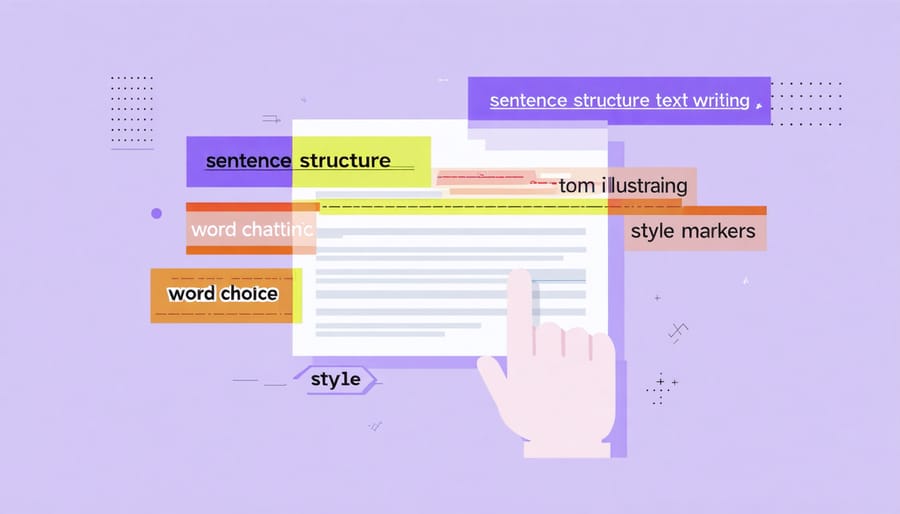
Ever noticed how your friends can recognize your texts just by your writing style? AI does something similar, but on a much deeper level. When you use AI-powered writing tools, they analyze patterns in your vocabulary choices, sentence structure, and even your favorite phrases. Think of it as having a writing buddy who knows exactly how you express yourself.
These smart systems pick up on everything from how often you use certain words to your typical paragraph length and punctuation habits. They notice if you tend to write in short, punchy sentences or prefer longer, flowing ones. They even catch those little signature touches that make your writing uniquely yours – like starting sentences with “And” or ending with em dashes.
The beauty is that as you write more, these tools get better at understanding your style. They can help maintain your authentic voice while suggesting improvements that align with your natural writing flow. For freelance writers, this means you can polish your work while keeping that personal touch clients love. It’s like having a writing assistant who knows your style inside and out, helping you deliver consistent quality across all your projects.
Building Your Writing Profile
Machine learning tools are revolutionizing how writers develop their unique voice and style. These smart systems carefully analyze your writing patterns, word choices, and sentence structures to build a comprehensive profile that grows more accurate with each piece you write.
Think of it as having a personal writing assistant that gets to know you better over time. As you work, ML tools track elements like your preferred vocabulary, typical sentence length, and common phrases. They note whether you tend to write in a formal or casual tone, and identify the writing conventions you consistently follow.
This profile becomes your digital writing fingerprint, helping AI tools offer more personalized suggestions that align with your style. For freelancers, this means faster content creation while maintaining your authentic voice. The system can even flag when your writing deviates from your usual style, helping maintain consistency across different projects.
The best part? Your profile evolves as you grow as a writer. When you consciously improve certain aspects of your writing, the ML system adapts its suggestions to support your development, making it an invaluable tool for continuous professional growth.
Practical Applications for Freelance Writers
Smart Grammar and Style Suggestions
Modern AI writing tools go beyond basic spell-checking by offering smart, context-aware suggestions that can transform your writing. These tools analyze your sentence structure, word choice, and overall tone to provide personalized recommendations that match your unique writing style.
As you type, the AI learns your preferences and writing patterns, offering suggestions that feel natural and aligned with your voice. For instance, it might suggest more impactful alternatives when you’re using weak phrases or help you maintain consistency in your tone throughout a piece.
What makes these tools particularly valuable for freelance writers is their ability to catch subtle nuances. They can identify when you’re being too formal in a casual blog post or help you maintain a professional tone in business content. The AI can also suggest ways to make your writing more engaging, whether that’s through better transitions, more active voice usage, or clearer sentence structures.
These smart suggestions work like having a skilled editor looking over your shoulder, but one that adapts to your personal writing style and goals. They help you deliver polished content while saving valuable editing time.
Content Topic Recommendations
Machine learning tools can revolutionize your content ideation process by analyzing trending topics, reader preferences, and engagement patterns. These smart systems can scan through vast amounts of online content to identify gaps in your niche and suggest topics that resonate with your target audience.
For freelance writers, ML-powered content research tools like BuzzSumo and MarketMuse offer valuable insights into what content performs well. They analyze successful articles in your field and provide data-driven recommendations for topics, headlines, and keywords that are likely to engage readers.
The beauty of ML-based topic recommendations is that they learn from your audience’s responses over time. As you publish more content, these tools become better at predicting what your readers want to see. They can even suggest seasonal topics and time-sensitive themes before they trend.
To make the most of these tools, start by feeding them with your successful content pieces and target audience information. This helps create a baseline for recommendations that align with your writing style and niche expertise. Remember, while ML tools provide excellent suggestions, your unique voice and professional judgment should guide the final topic selection.
Audience Engagement Optimization
Machine learning has revolutionized how writers can connect with their target readers by analyzing engagement patterns and reader preferences. As a freelance writer, you can leverage ML tools to understand which topics, writing styles, and content formats resonate most with your audience. These smart systems track metrics like time spent reading, social shares, and comment engagement to help you craft more compelling content.
The beauty of ML-powered audience optimization lies in its ability to learn and adapt. It can identify trends in reader behavior, suggesting the best times to publish, optimal content length, and even which headlines are likely to perform better. This means you can protect your content while ensuring it reaches and engages the right readers.
For Canadian writers, this technology offers valuable insights into regional preferences and cultural nuances. You can use these insights to tailor your writing style, examples, and references to connect more authentically with your Canadian audience. The result? Higher engagement rates, better client satisfaction, and more opportunities for repeat work.
Remember, the goal isn’t just to reach more readers – it’s about creating meaningful connections through personalized content that speaks directly to your audience’s interests and needs.
Getting Started with ML Writing Tools
Choosing the Right Tools
When selecting machine learning tools for your writing, it’s essential to focus on features that will transform your writing workflow without overwhelming you with complexity. Start by identifying your specific needs – whether it’s content creation, editing, or SEO optimization.
Look for tools that offer intuitive interfaces and clear feedback mechanisms. The best ML writing assistants provide suggestions while letting you maintain your unique voice. Consider features like customizable writing styles, tone adjustment options, and the ability to learn from your preferences over time.
Budget-conscious writers should explore free trials before committing to subscriptions. Many top-tier tools offer basic versions that can help you test their effectiveness. Pay attention to how well the tool integrates with your existing writing platforms and whether it supports Canadian English spelling and conventions.
Key features to prioritize include:
– Real-time writing suggestions
– Grammar and style checking
– Readability analysis
– Plagiarism detection
– Content optimization tools
– Multi-platform compatibility
Remember that the right tool should feel like a helpful writing partner rather than a replacement for your creativity. Start with one tool, master it, and gradually expand your toolkit as your needs evolve. Many successful Canadian writers combine multiple tools to create their ideal writing environment.

Integration Tips
Start small and build gradually when integrating machine learning tools into your writing workflow. Begin by using one tool for a specific task, like headline optimization or grammar checking, before adding more features. This approach helps you maintain control over your creative process while learning to leverage AI effectively.
Set aside dedicated time to experiment with different ML tools during less critical writing tasks. This lets you explore their capabilities without pressure, helping you discover which features truly enhance your work. Many writers find success by using ML for initial research and outline creation, then switching to manual writing for the main content.
Create templates and custom settings in your chosen ML tools to match your writing style and client requirements. This personalization ensures the AI suggestions align with your voice while maintaining consistency across projects. Remember to regularly review and adjust these settings as you become more comfortable with the technology.
Keep a log of which ML features work best for different types of content. For example, you might find that sentiment analysis tools are perfect for marketing copy but less useful for technical writing. This knowledge helps you strategically apply ML tools where they’ll have the most impact.
Most importantly, view ML tools as collaborators rather than replacements. They’re designed to enhance your natural abilities, not override your unique perspective and creativity. Trust your judgment and use AI suggestions as starting points for your own ideas.
Machine learning-powered writing tools have revolutionized how freelance writers approach their craft, offering unprecedented opportunities for personalization and efficiency. These tools have proven to be valuable allies in creating engaging, tailored content while maintaining the authentic voice that clients seek.
As we’ve seen, ML writing assistants help writers save time, enhance creativity, and deliver more consistent quality across different projects. They’ve become particularly valuable for Canadian freelancers managing multiple clients with diverse needs, allowing them to adapt their writing style and tone effortlessly.
Looking ahead, the future of ML-powered writing tools appears bright and promising. We can expect to see even more sophisticated personalization features, improved understanding of context, and better integration with various content management systems. These advancements will continue to support writers rather than replace them, offering more refined suggestions and better adaptation to individual writing styles.
For freelance writers, embracing these tools now means staying ahead of the curve and delivering better value to clients. Remember that ML tools are meant to enhance your natural abilities, not overshadow them. By combining your unique perspective and expertise with ML-powered assistance, you can create more impactful content while maintaining your distinctive voice.
As technology evolves, the key to success will be finding the right balance between human creativity and machine efficiency, ensuring that your writing remains both personal and professional.